Anchor Hocking Decanters Buyer's Guide: Tested Picks

Affiliate disclosure: Some links on this page are affiliate links. If you buy through them we earn a small commission at no extra cost to you. Recommendations are research-driven; we don't claim personal use of every product reviewed. Product prices and availability are accurate as of the date published and are subject to change. Always check Amazon for current pricing before purchasing. Learn more.
Quick Picks
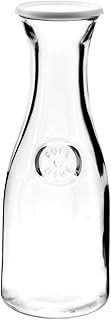
Anchor Hocking Sheffield 34-Ounce Glass Decanter with Lid
Simple straight-sided design works for wine, water, or whiskey service
Buy on Amazon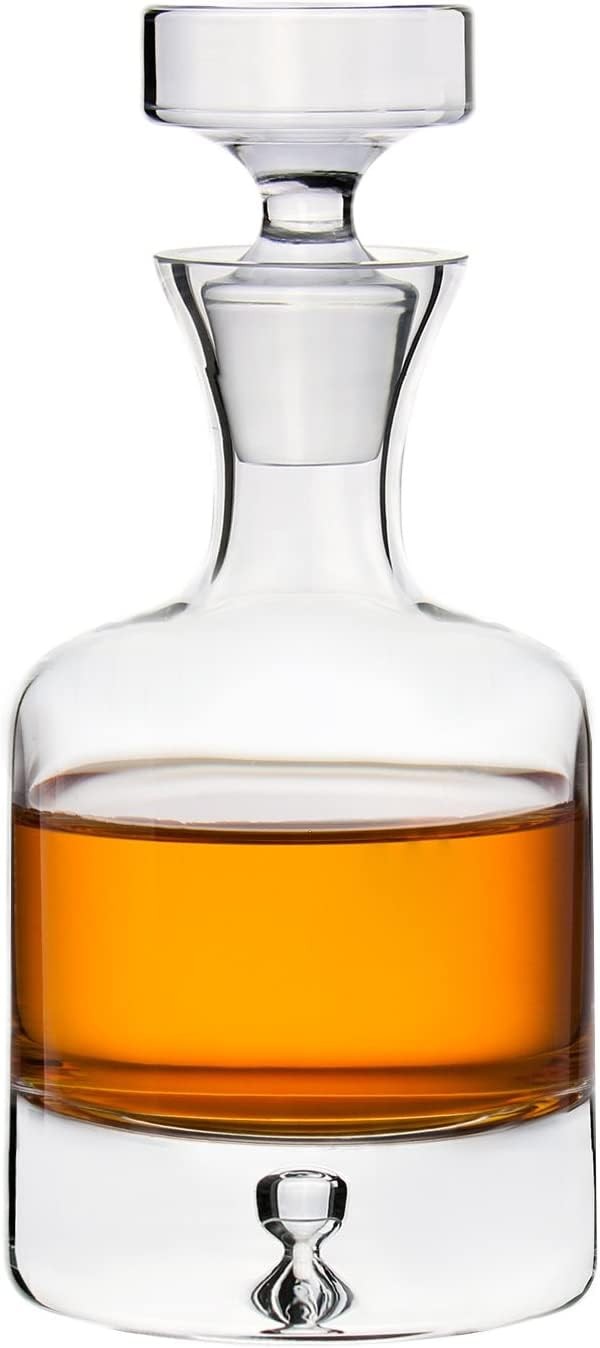
Ravenscroft Crystal Taylor Whiskey Decanter
Lead-free crystal with a wide base designed for spirit storage , the mid-range reference for whiskey decanter comparisons
Buy on Amazon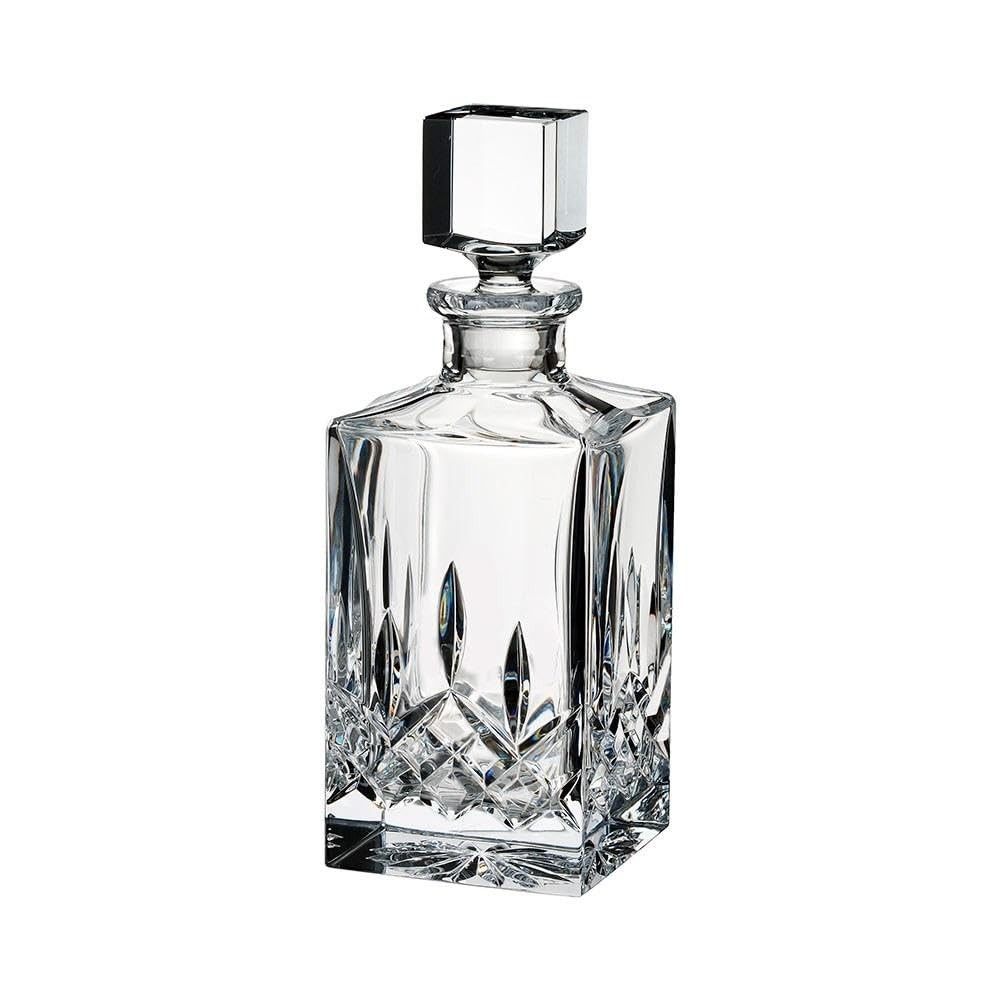
Waterford Lismore Crystal Whiskey Decanter
Lismore pattern is Waterford's most recognised , the premium benchmark for whiskey decanter gift guides
Buy on Amazon| Product | Price Range | Top Strength | Key Weakness | Buy |
|---|---|---|---|---|
| Anchor Hocking Sheffield 34-Ounce Glass Decanter with Lid best overall | $ | Simple straight-sided design works for wine, water, or whiskey service | No aeration feature; not a true decanter for tannic reds that need to breathe | Buy on Amazon |
| Ravenscroft Crystal Taylor Whiskey Decanter also consider | $$ | Lead-free crystal with a wide base designed for spirit storage , the mid-range reference for whiskey decanter comparisons | Crystal stopper requires hand-drying immediately , calcium deposits around the stopper collar are hard to remove | Buy on Amazon |
| Waterford Lismore Crystal Whiskey Decanter also consider | $$$ | Lismore pattern is Waterford's most recognised , the premium benchmark for whiskey decanter gift guides | Cut crystal stopper is not airtight for long-term spirit storage , best used for serving rather than ageing | Buy on Amazon |
Choosing a decanter shouldn’t be complicated , but the category spans everything from simple glass carafes to hand-cut crystal that costs more than a decent bottle of Scotch. If you’ve landed on Anchor Hocking decanters, you’re likely looking for something honest and functional, not a status purchase. That’s a good place to start.
The real question isn’t which decanter looks best in a photo. It’s what you’re actually pouring, how often, and whether you need a piece that aerates wine, stores spirits, or simply gets water to the table without spilling. Those are different problems with different answers.
What to Look For in a Glass Decanter
Purpose: Wine, Whiskey, or Water Service
Before settling on any decanter, be clear about what you’re pouring. Wine decanters , especially those designed for tannic reds , benefit from a wide, shallow bowl that maximizes surface exposure to air. Spirits decanters work differently: whiskey doesn’t need aeration, so the shape is about storage and presentation rather than function. A narrow neck and a well-fitted stopper matter far more than bowl width.
A carafe for water or everyday table wine has the simplest requirements of all. Straight sides, a comfortable pour, and a tight lid or cover are enough. Conflating these three use cases is how buyers end up with the wrong piece , a beautiful crystal whiskey decanter sitting on a dinner table trying to aerate a Cabernet, or a functional carafe that looks out of place on a bar cart.
Crystal vs. Glass: What the Difference Actually Means
Traditional lead crystal contains lead oxide, which increases refractive index and gives cut patterns their brightness. Modern lead-free crystal replaces lead with barium oxide or zinc oxide and achieves similar optical clarity without the toxicity concern. Plain glass , borosilicate or soda-lime , is heavier, less brilliant, and less resonant, but it’s more durable and almost always dishwasher safe.
For everyday use, glass is often the better practical choice. For a bar cart that sits on display or a decanter that will be used for formal entertaining, lead-free crystal earns its extra cost. The difference in brilliance under ambient light is noticeable , it’s not marketing. What is marketing is the idea that crystal makes spirits taste better. It doesn’t.
Stopper Fit and Airtightness
A poorly fitted stopper is the most common point of failure in any decanter. For spirit storage, airtightness matters , oxygen exposure degrades whiskey over time, particularly in bottles that are more than halfway empty. Ground-glass stoppers create the tightest seal. Polished crystal stoppers are often decorative rather than functional for long-term aging.
For wine service, the stopper is largely irrelevant , wine in a decanter is meant to be consumed the same evening. For water carafes, a loose-fitting lid is fine. Match the stopper type to your actual use case rather than choosing on aesthetics alone.
Neck Width and Cleaning Practicality
A decanter you can’t clean properly is a liability. Wide-necked decanters , sometimes called carafes , allow a bottle brush or a rolled sponge to reach the interior. Narrow-necked decanters require decanter cleaning beads or diluted white vinegar left to soak. Cut crystal interiors trap residue in the facets and need more attention than smooth-bore glass.
If dishwasher safety matters to you, that alone narrows the field considerably. Crystal , lead or lead-free , is almost universally hand-wash only. Before exploring the full range of glassware options available for entertaining, decide how much cleaning effort you’re willing to commit to regularly.
Top Picks
Sheffield 34-Ounce Glass Decanter with Lid
For most households, the Sheffield 34-Ounce Glass Decanter with Lid does exactly what a table decanter should do. The straight-sided cylinder holds a full bottle plus a small reserve, pours cleanly, and is genuinely dishwasher safe , which is not something you can say about any crystal alternative at this price band.
The design is utilitarian rather than attractive. There’s no cut pattern, no optical brilliance, nothing that would look at home on a bar cart or serve as a gift. If you need something that looks the part at a formal table, this isn’t it. But if you’re filling it with filtered water for a dinner party, or decanting an everyday red that doesn’t need an hour of breathing, the Sheffield is a completely sensible choice.
What it doesn’t do is aerate wine. The straight sides and moderate neck width provide some surface exposure, but tannic reds that genuinely need to breathe require a wider bowl with more aggressive shoulder geometry. Use this as a table carafe, not as a tool for opening a closed Barolo.
,
Check current price on Amazon.
Ravenscroft Crystal Taylor Whiskey Decanter
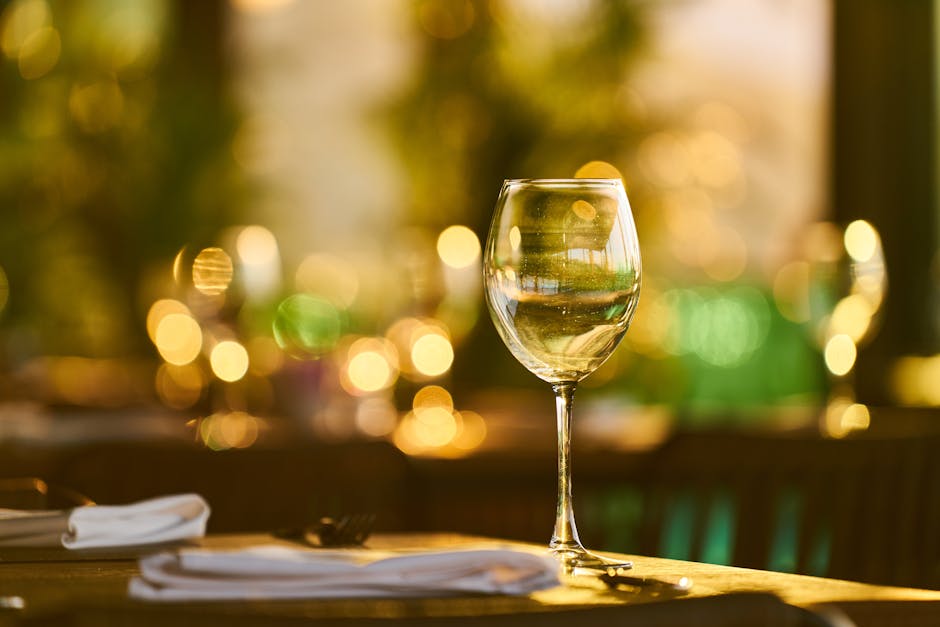
Crystal construction changes what a decanter can do for a bar setup , and the Ravenscroft Crystal Taylor Whiskey Decanter demonstrates that clearly. The wide base and lead-free crystal body refract light well without the cut complexity of Waterford’s patterns, making it a display piece that reads as considered rather than ostentatious. The flat-cut pattern is formal enough for a gift, restrained enough for a modern sideboard.
The wide base is genuinely useful for spirits. It gives the decanter stability and means you’re not knocking it over during late-evening pours, which matters more than most buyers admit. The lead-free crystal also removes any concern about prolonged spirit contact , a real issue with traditional lead crystal that stored bourbon or Scotch for extended periods.
There’s one maintenance note worth taking seriously: the crystal stopper needs to be hand-dried immediately after washing. Calcium deposits around the stopper collar are difficult to remove once they’ve set, and they’ll develop faster than you’d expect if the stopper sits wet. That’s not a dealbreaker , it’s just a care requirement you should know before buying.
,
Check current price on Amazon.
Waterford Lismore Crystal Whiskey Decanter
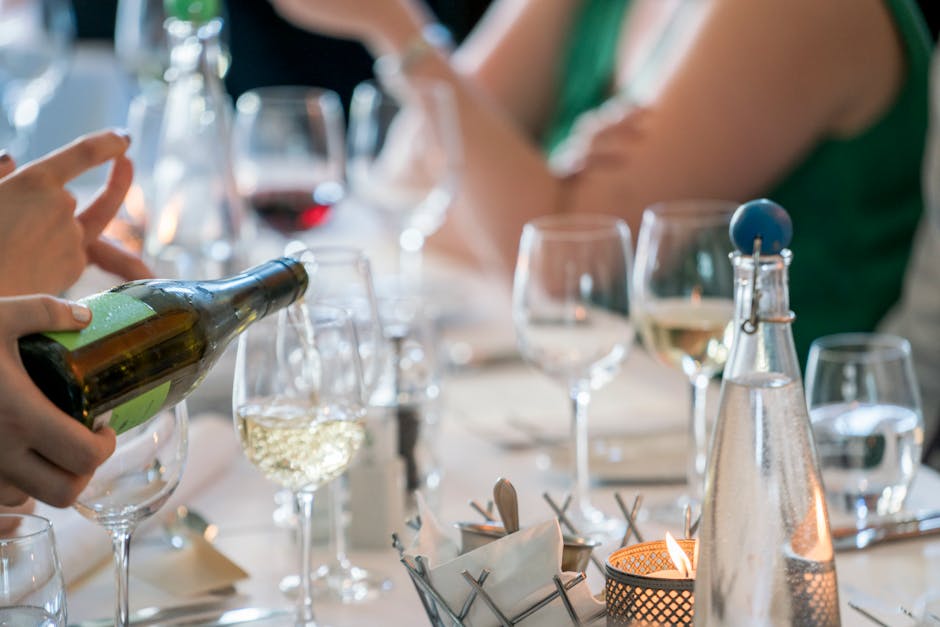
The Waterford Lismore Crystal Whiskey Decanter occupies a specific place in the market , it’s the decanter people recognize. The Lismore pattern has been in continuous production since 1952, and the deep diamond and wedge cuts that define it do something that photography doesn’t fully capture: they scatter light across an entire room. On a sideboard near a window, this piece is genuinely impressive.
That recognition comes at a premium-tier price, and it’s worth being honest about what you’re paying for. The crystal quality is excellent, but the stopper , while beautiful , is not airtight in the way a ground-glass seal would be. If you’re planning to store a whiskey in this for months rather than weeks, you’ll notice some oxidation. Waterford’s own guidance treats it as a serving piece, and that framing is accurate.
For gifting, for a bar display that will be replenished regularly, or for anyone who genuinely appreciates the Lismore heritage, this is the right choice at the top of the category. For a buyer who wants functional long-term spirit storage over presentation, the Ravenscroft offers better stopper performance at a lower price band.
,
Check current price on Amazon.
How to Choose
Match the Decanter to What You’re Pouring
The category covers three genuinely different use cases, and conflating them leads to the wrong purchase. A spirits decanter needs a good stopper and a stable base. A wine decanter needs surface area for aeration. A table carafe needs to be easy to fill, pour, and clean. None of the three designs optimize for all three functions simultaneously.
If your household uses a decanter primarily for water service and everyday wine, start and end at the budget tier. If you’re building a bar cart and want something that looks intentional rather than incidental, the mid-range crystal options earn their price. Premium crystal is appropriate when the decanter is itself part of the gift or the display.
Consider How Often You’ll Use It
A decanter used daily needs to be easy to clean. That means wide neck access, dishwasher compatibility if possible, and a stopper that doesn’t trap moisture. The Sheffield qualifies on all counts. Crystal decanters , including the Ravenscroft and Waterford , require hand washing and careful drying, which is a realistic maintenance commitment if you’re pouring from them several nights a week.
Occasional-use entertaining pieces tolerate more care requirements, because you’re cleaning them less often. If the decanter comes out for dinner parties and holidays rather than weeknight dinners, the added care burden of crystal is easier to absorb.
Stopper Airtightness for Spirit Storage
Whiskey stored in a decanter long-term , more than a few weeks , will degrade if the stopper isn’t genuinely airtight. Most decorative crystal stoppers, including the Waterford Lismore’s, are polished rather than ground, which means they seal well enough for a bar display that’s regularly replenished but not well enough for serious aging. If you’re decanting a special bottle and plan to work through it slowly, this distinction matters.
Ground-glass stoppers offer better seals but appear mostly in wine decanters designed for same-evening use rather than spirit decanters. For long-term spirit storage, the bottle it came in often outperforms any decanter. Understanding that tradeoff helps you buy for serving rather than storage and avoid disappointment.
Crystal Quality Isn’t Binary
Not all crystal is equivalent. Lead crystal, still sold in older and some imported pieces, raises legitimate concerns for spirits stored in prolonged contact. Lead-free crystal , what both the Ravenscroft and Waterford use , eliminates that concern while maintaining optical quality. When comparing pieces across the broader glassware and crystal market, confirm lead-free status if spirit storage is your primary use.
Within lead-free crystal, quality varies by wall thickness, cut precision, and clarity. Machine-cut crystal is less expensive and less crisp than hand-cut patterns. The Lismore is hand-cut, which is part of what justifies the premium tier pricing. The Ravenscroft Taylor uses a simpler flat-cut pattern that is machine-assisted , honest about what it is, and priced accordingly.
Gift Buying vs. Personal Use
Buying a decanter for yourself involves a different calculation than buying one as a gift. For personal use, optimize for the actual job , daily carafe function, weekend bar service, or occasional formal entertaining. For a gift, the recognizability of the pattern and the weight of the presentation matter more, because the recipient reads both as signals of the gift’s value.
Waterford Lismore is one of the most recognized crystal patterns in North America. For a wedding gift, a milestone birthday, or a host gift that needs to read as generous, the pattern carries meaning that a plain glass carafe or even an elegant but unfamiliar crystal piece cannot. That recognition factor is real value when the context is gifting.
Frequently Asked Questions
Is the Anchor Hocking Sheffield decanter good enough for wine service?
For everyday table wine and filtered water, the Sheffield 34-Ounce Glass Decanter with Lid is a completely practical choice. It pours cleanly, holds a full bottle, and cleans up easily in the dishwasher. It won’t aerate tannic reds the way a purpose-built wine decanter with a wide bowl will, so if you’re regularly opening structured Cabernets or Barolos, you’d want something with more shoulder geometry.
What’s the difference between a decanter and a carafe?
A carafe is a general-purpose vessel for table service , water, wine, juice , typically with a wide neck and no stopper, or a loose-fitting lid. A decanter historically refers to a vessel designed to separate wine from sediment or to aerate it, often with a narrow neck and wide bowl. In practice, the terms are used interchangeably in retail, which is why reading the product description for neck width and stopper type matters more than the label.
Can I store whiskey in a crystal decanter long-term?
Short-term serving , days to a few weeks , is fine in either the Ravenscroft Crystal Taylor Whiskey Decanter or the Waterford Lismore Crystal Whiskey Decanter. For months of storage, polished crystal stoppers don’t seal tightly enough to prevent oxidation, and the original bottle will preserve the spirit better. Neither of these decanters is designed for aging , they’re serving pieces.
How do I clean a crystal decanter without damaging it?
Hand wash only, with warm water and a small amount of dish soap. For residue inside the body, decanter cleaning beads with warm water work well , avoid abrasive brushes on cut crystal. The most important step for the Ravenscroft specifically is drying the stopper collar immediately after washing, before calcium deposits can form. Never put crystal in the dishwasher, and avoid sudden temperature changes.
Which decanter is the better gift , the Ravenscroft or the Waterford Lismore?
For a recipient who knows crystal and will recognize the pattern, the Waterford Lismore Crystal Whiskey Decanter is the more impressive gift , the Lismore pattern carries genuine recognition and prestige. For a recipient where the gesture matters more than the label, the Ravenscroft is elegant, practical, and comes without the premium tier price. Both present well; the choice comes down to the recipient and the occasion.
Frequently Asked Questions
Decanter vs carafe — what's the practical difference for a dinner table?
A carafe is a general-purpose vessel for table service — water, wine, juice — typically with a wide neck and no stopper or a loose-fitting lid. A decanter historically refers to a vessel designed to separate wine from sediment or to aerate it, often with a narrow neck and wide bowl. In practice the terms are used interchangeably in retail, which is why reading the product description for neck width and stopper type matters more than the label.
Is the Anchor Hocking Sheffield decanter good enough for wine service?
For everyday table wine and filtered water, the Sheffield is a completely practical choice — it pours cleanly, holds a full bottle, and cleans up easily in the dishwasher. It won't aerate tannic reds the way a purpose-built wine decanter with a wide bowl will, so if you're regularly opening structured Cabernets or Barolos, you'd want something with more shoulder geometry. Use it as a table carafe rather than an aeration tool.
Can I store whiskey in a crystal decanter long-term?
Short-term serving — days to a few weeks — is fine in either the Ravenscroft Crystal Taylor or the Waterford Lismore Crystal Decanter. For months of storage, polished crystal stoppers don't seal tightly enough to prevent oxidation, and the original bottle will preserve the spirit better. Neither decanter is designed for aging — they are serving pieces, and Waterford's own guidance frames them that way.
Ravenscroft vs Waterford Lismore decanter — which is the better gift?
For a recipient who knows crystal and will recognize the pattern, the Waterford Lismore is the more impressive gift — the Lismore pattern carries genuine recognition and prestige. For a recipient where the gesture matters more than the label, the Ravenscroft is elegant, practical, and comes without the premium tier price. Both present well; the choice comes down to the recipient and the occasion.
How do I clean a crystal decanter without damaging it?
Hand wash only, with warm water and a small amount of dish soap. For residue inside the body, decanter cleaning beads with warm water work well — avoid abrasive brushes on cut crystal. The most important step for the Ravenscroft specifically is drying the stopper collar immediately after washing, before calcium deposits can form and set. Never put crystal in the dishwasher, and avoid sudden temperature changes.
Where to Buy
Anchor Hocking Sheffield 34-Ounce Glass Decanter with LidSee Sheffield 34-Ounce Glass Decanter wit… on Amazon