Bistro Wine Glasses Reviewed: Top Picks for Every Budget

Affiliate disclosure: Some links on this page are affiliate links. If you buy through them we earn a small commission at no extra cost to you. Recommendations are research-driven; we don't claim personal use of every product reviewed. Product prices and availability are accurate as of the date published and are subject to change. Always check Amazon for current pricing before purchasing. Learn more.

Quick Picks
Bormioli Rocco Bistro Wine Glasses Set of 6
Italian-made tempered glass at budget pricing , the standard reference for bistro-style wine service
Check availability at Bormioli Rocco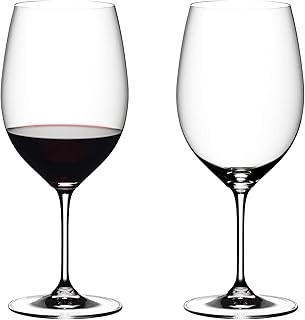
Riedel Vinum Bordeaux Wine Glasses (Set of 2)
Shape directs wine to the back of the palate where Bordeaux varietals show best
Buy on Amazon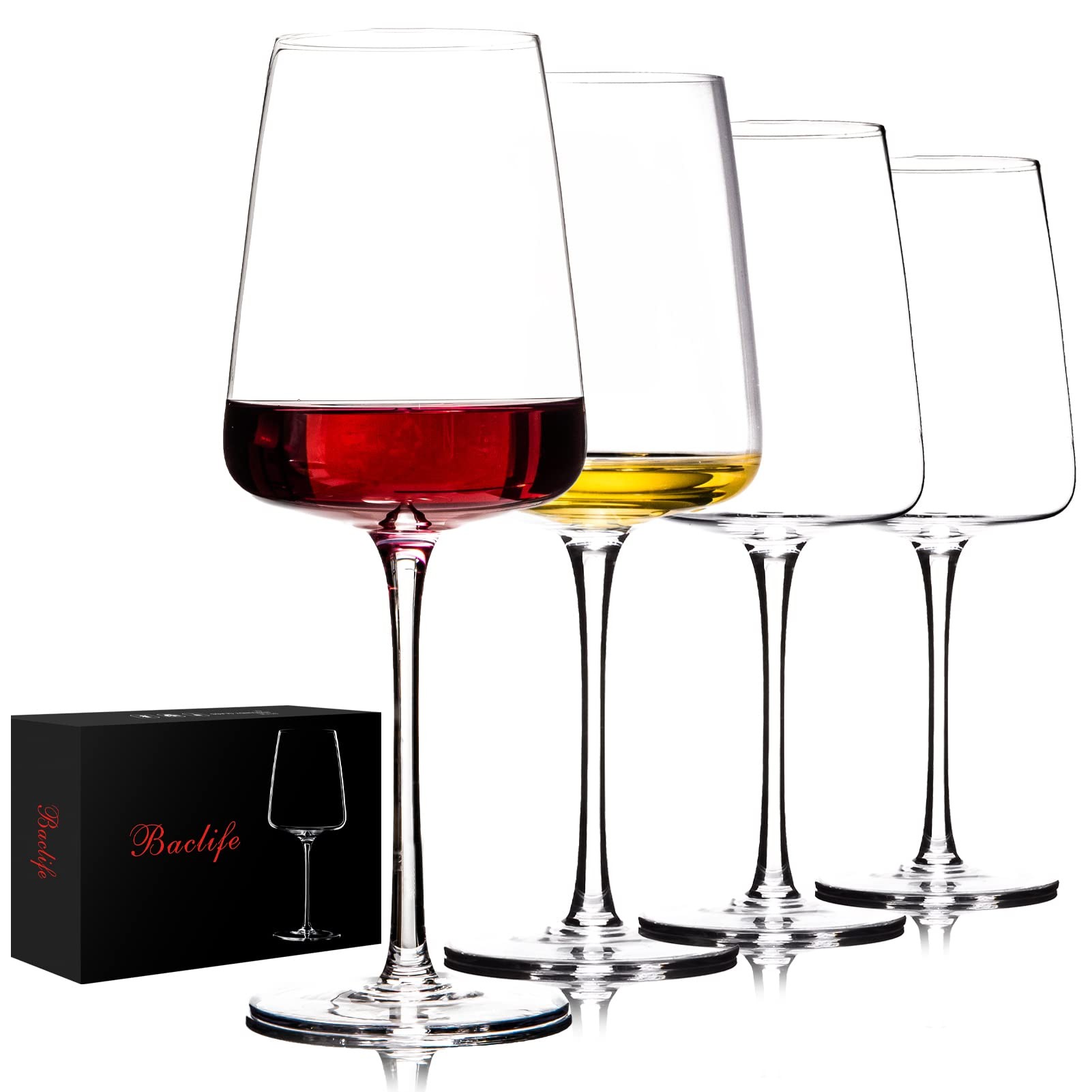
BACLIFE Hand Blown Red Wine Glasses Set of 4
Each glass hand-blown , generous bowl and weighted base give it a substantial feel
Buy on Amazon| Product | Price Range | Top Strength | Key Weakness | Buy |
|---|---|---|---|---|
| Bormioli Rocco Bistro Wine Glasses Set of 6 best overall | $ | Italian-made tempered glass at budget pricing , the standard reference for bistro-style wine service | Tempered glass is thicker than crystal , the rim diameter is slightly wider than a fine wine glass, which affects the pour | Check Price |
| Riedel Vinum Bordeaux Wine Glasses (Set of 2) also consider | $$ | Shape directs wine to the back of the palate where Bordeaux varietals show best | Tall bowl is more fragile in the dishwasher , top rack only, and crowding causes chips | Buy on Amazon |
| BACLIFE Hand Blown Red Wine Glasses Set of 4 also consider | $$$ | Each glass hand-blown , generous bowl and weighted base give it a substantial feel | Hand-blown variation means glasses won't be perfectly matched in a set , minor height/shape differences | Buy on Amazon |
Bistro wine glasses sit in a particular category of useful object , unpretentious enough for a Tuesday night, good-looking enough for a dinner party. They work because they don’t try too hard. My approach to recommending them is the same. Browse the full Glassware & Crystal collection if you want to explore further, but if you want a straight answer on which glasses are worth your money, read on.
The category spans a wide range of craft and intention, from Italian-made tempered glass that can handle real use to handblown American crystal that makes a table feel considered. Knowing which matters to you is the actual decision.
What to Look For in Bistro Wine Glasses
Glass Thickness and Rim Diameter
Thickness affects both durability and the drinking experience in ways that pull in opposite directions. Thinner glass disappears at the lip and lets the wine take over , you’re tasting the wine, not noticing the vessel. Thicker, tempered glass is more resistant to thermal shock and everyday handling, which matters a great deal if you’re running a table for eight.
Rim diameter determines where the wine hits your palate first. A narrower rim concentrates aromas and directs wine toward the center of the tongue. A wider rim disperses the pour more broadly. For casual entertaining, a slightly wider rim is forgiving and versatile. For varietal-specific service, it’s a compromise worth understanding before you commit.
Crystal vs. Tempered Glass
Crystal , lead-free, machine-made or hand-blown , transmits light differently than standard tempered glass. It refracts with a clarity that makes a table look dressed. Tempered glass prioritizes resilience and is better suited to environments where glasses get stacked, bumped, or loaded into a commercial dishwasher without ceremony.
Neither is wrong. They represent different relationships to the object. If you’re setting a table for an occasion you care about, crystal reads as intentional. If you’re outfitting a vacation home or a patio where breakage is expected, tempered glass is the sensible answer.
Set Size and Replacement Availability
A set of four works for a table of four , but entertaining tends not to stay predictable. A set of six gives you two glasses of buffer before you’re washing mid-party. A set of two works only if you’re buying multiples or building a deliberately mismatched table.
Replacement availability matters more than buyers anticipate. A single cracked glass in a discontinued set forces a full replacement. Before committing to a style, check whether the pattern is sold individually or in ongoing production. Artisan glassware, by nature, offers limited consistency across batches.
Stem Height and Proportion
Stem height affects how a glass photographs, how it feels in hand, and whether it’s stable on an outdoor table with any wind. A longer stem keeps your hand away from the bowl , relevant for white wine, where you don’t want to warm the glass. A shorter stem is less likely to tip on uneven surfaces.
Bistro-style glasses tend toward medium stems with a proportional bowl , approachable rather than architectural. The most versatile height sits between four and a half and five and a half inches from foot to bowl. Exploring the full range of wine and entertaining glassware before settling on a style will help you see how these proportions vary across the category.
Top Picks
Bormioli Rocco Bistro Wine Glasses Set of 6
Italian glassmaking has a particular relationship with bistro culture, and the Bormioli Rocco Bistro Wine Glasses Set of 6 represents the category at its most honest: workable, attractive, and sized for a full table setup without buying two sets. These are the glasses you’ve seen at countless casual Italian restaurants, and there’s a reason that aesthetic has stuck.
The tempered glass construction means they handle daily use without anxiety. You can run them through the dishwasher, stack them without ceremony, and set them on a table where accidents are possible. What you give up is the sensory finesse , the rim is slightly wider than a fine wine glass, and the glass itself is noticeably thicker at the lip. You feel the glass in a way you don’t with crystal.
For outdoor entertaining, patio dinners, or any occasion where you’re prioritizing ease over ceremony, these are the practical answer. The six-pack sizing means you’re genuinely equipped for a full table from one purchase.
,
Check current price on Amazon.
Riedel Vinum Bordeaux Wine Glasses (Set of 2)
The benchmark by which most varietal-specific glasses get measured. Riedel Vinum Bordeaux Wine Glasses are machine-made lead-free crystal , which sounds like a compromise but delivers something important: every glass in the set is dimensionally identical. Pour two, and both glasses behave exactly the same way. For serious wine service, that consistency matters.
The tall bowl is designed to direct Bordeaux varietals , Cabernet Sauvignon, Merlot, Malbec , to the back of the palate, where tannin reads as structure rather than grip. If you pour a good Cab into one of these and then into a standard tumbler, the difference is audible in the nose before you’ve taken a sip. That’s not marketing; it’s geometry.
The honest limitation is that the tall bowl is vulnerable in the dishwasher. Top rack only, and crowding is genuinely risky , the rim chips where glasses make contact. These are also too large for casual water service or sparkling wine, which means they serve a specific function rather than a flexible one. If you entertain regularly with Bordeaux-style reds and you’re willing to treat them carefully, these are the right glass.

,
Check current price on Amazon.
BACLIFE Hand Blown Red Wine Glasses Set of 4
Hand-blown crystal, and the slight variation between glasses in the set is not a defect , it’s the signature. The BACLIFE Hand Blown Red Wine Glasses Set of 4 have a weight and solidity that reads as serious crystal without the architectural delicacy that comes with ultra-thin blown glass. Pick one up and it feels considered.
What you’re buying here is provenance as much as function. At a table where guests notice objects, these generate conversation. The subtle differences from glass to glass , a millimeter of variation in height, a slight asymmetry in the bowl , are the marks of a human hand, and they’re visible in the right light. That’s either the entire point or a reason to look elsewhere, depending on your table philosophy.
The practical constraint is real: hand-wash only, and not suitable for occasions where you’re running forty glasses through a rotation. For a dinner of four to six guests where you’re setting an intentional table and have time to care for things properly, they’re the most distinctive option in this category.
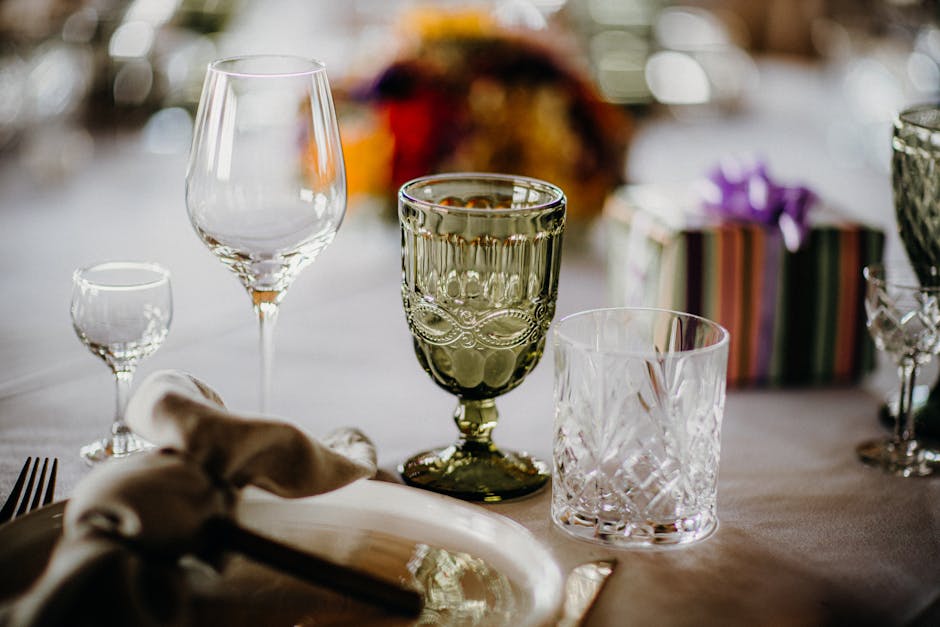
,
Check current price on Amazon.
How to Choose
Match the Glass to the Occasion, Not the Ideal
The most common mistake in buying wine glasses is optimizing for the best-case scenario rather than the actual occasion. A beautiful thin-walled crystal glass that spends most of its life in the back of a cabinet because it’s too fragile to use casually is not serving you well.
Think honestly about the conditions your glasses will face. Outdoor tables, guests who aren’t careful, children nearby , these all argue for durability. A sit-down dinner for six where glassware matters to the occasion argues for crystal. Match the purchase to the table you actually set, not the one in your head.
Consider How Many You Actually Need
Four feels like a sensible number until one breaks and you’re setting a mismatched table for your next dinner. Six is the more practical minimum for regular entertaining. Sets of two , like the Riedel Vinum , make sense only if you’re building deliberately: pairing them with a different everyday glass and pulling the good crystal out for specific occasions.
If you’re buying for a home where glasses cycle through regularly, consider also whether the pattern is available for individual replacement. A discontinued pattern means one broken glass eventually forces a full repurchase.
Decide Whether Varietal Specificity Matters to You
Varietal-specific shapes , glasses engineered for Bordeaux, Burgundy, Riesling , make a measurable difference in how wine presents on the palate. The Riedel Vinum Bordeaux is the clearest example in this roundup: the bowl geometry genuinely changes the experience of drinking structured red wine from it.
If you drink across a range of styles and want one glass that works for all of them, a universal shape in the mid-size range is the better call. If you have a house red and a house white that you open most nights, investing in varietal-specific glasses for those two wines is worth considering.
Hand-Blown vs. Machine-Made: What the Difference Actually Means
Machine-made crystal offers dimensional precision , every glass is identical, which matters for formal service and for dishwasher packing. Hand-blown glass offers individuality and often a different relationship to the object. The BACLIFE hand-blown glasses are heavier than you’d expect from hand-blown work, which gives them a substance that feels more substantial at the table than thin-blown European crystal.
Hand-blown glassware requires more care and costs more to replace. It’s not the right answer for volume entertaining, but for a table where craft and intentionality matter, it’s a different category of object than a machine-made set. The full range of glass styles and production methods is worth understanding before you decide which direction fits your table.
Dishwasher Reality vs. Manufacturer Claims
Manufacturer dishwasher ratings are optimistic. “Dishwasher safe” on a crystal glass typically means top rack, low heat, no crowding, no hard water deposits , conditions that are rarely consistent in a real kitchen. In my experience, even glasses rated as dishwasher-safe develop micro-etching over time in machines with hard water or high-heat drying cycles.
For glasses you care about, hand-washing is the more honest answer. For glasses that will face a dishwasher regularly, tempered glass is the durable choice and the Bormioli Rocco set is designed for exactly that kind of use.
Frequently Asked Questions
Are bistro wine glasses suitable for all types of wine?
Bistro-style glasses work well for red wine and are perfectly serviceable for fuller-bodied whites. They’re not optimized for sparkling wine , the wide bowl dissipates bubbles quickly , and they lack the narrow shape that helps aromatic whites like Riesling concentrate on the nose. For an all-purpose glass that handles reds and whites comfortably, bistro proportions are a reasonable choice. For sparkling service, a separate flute or tulip glass is worth having.
What’s the difference between the Bormioli Rocco and the Riedel Vinum for everyday use?
The Bormioli Rocco Bistro Wine Glasses are tempered glass designed for durability and casual use , dishwasher-safe and practical in a way the Riedel glasses aren’t. The Riedel Vinum Bordeaux is lead-free crystal engineered for a specific wine style, noticeably more fragile in the dishwasher and better suited to occasions where the glass matters to the experience. For daily use, the Bormioli Rocco is the more realistic answer. For a special bottle, the Riedel earns its place.
Do I need to hand-wash hand-blown wine glasses?
For hand-blown crystal you want to keep looking good, yes , hand-washing is the honest recommendation regardless of what the label says. Dishwasher cycles create micro-etching over time, particularly in hard water areas, which gives crystal a cloudy appearance that doesn’t wash out. The BACLIFE hand-blown wine glasses are explicitly hand-wash only. The Riedel Vinum glasses are dishwasher-safe but perform better with careful hand-washing.
How many wine glasses should I own for regular entertaining?
Six is the practical minimum for a dinner table, and eight gives you a comfortable buffer for breakage and mid-party washing. A set of four works for a household of two who entertain occasionally and don’t mind washing glasses between courses. If you’re hosting frequently, consider doubling whatever your table seats , you’ll use the extras more often than you expect, and having a full set on hand without scrambling makes service easier.
Are hand-blown wine glasses worth the premium over machine-made?
For a table where craft and intentionality matter to you, yes , but with clear-eyed expectations. Hand-blown glasses like the BACLIFE set offer individuality and craft character that machine-made crystal doesn’t replicate, and the weight of that particular glass reads as serious quality at the table. The trade-off is care requirements, higher replacement cost, and slight variation within a set that bothers some buyers. If you value uniformity and dishwasher practicality, machine-made crystal like the Riedel Vinum is the more sensible investment.
Frequently Asked Questions
Bormioli Rocco vs. Riedel Vinum — which is better for everyday use?
The Bormioli Rocco Bistro set is tempered glass designed for durability and casual use — dishwasher-safe and practical in a way the Riedel glasses are not. The Riedel Vinum Bordeaux is lead-free crystal engineered for a specific wine style, noticeably more fragile in the dishwasher and better suited to occasions where the glass matters to the experience. For daily use, Bormioli Rocco is the more realistic answer. For a special bottle, the Riedel earns its place.
Are bistro wine glasses suitable for all types of wine?
Bistro-style glasses work well for red wine and are serviceable for fuller-bodied whites. They are not optimized for sparkling wine — the wide bowl dissipates bubbles quickly — and they lack the narrow shape that helps aromatic whites like Riesling concentrate on the nose. For an all-purpose glass that handles reds and whites comfortably, bistro proportions are a reasonable choice. For sparkling service, a separate flute or tulip glass is worth having.
Are hand-blown wine glasses worth the premium over machine-made?
For a table where craft and intentionality matter, yes — but with clear expectations. Hand-blown glasses like the BACLIFE set offer individuality and craft character that machine-made crystal does not replicate, and the weight of that particular glass reads as serious quality at the table. The trade-off is care requirements, higher replacement cost, and slight variation within a set. If you value uniformity and dishwasher practicality, machine-made crystal like the Riedel Vinum is the more sensible investment.
How many wine glasses should I own for regular entertaining?
Six is the practical minimum for a dinner table, and eight gives you a comfortable buffer for breakage and mid-party washing. A set of four works for a household of two who entertain occasionally and do not mind washing glasses between courses. If you are hosting frequently, consider owning enough to cover double your table size — you will use the extras more often than you expect.
Do hand-blown wine glasses need to be hand-washed?
For hand-blown crystal you want to keep looking good, hand-washing is the honest recommendation regardless of what the label says. Dishwasher cycles create micro-etching over time, particularly in hard-water areas, which gives crystal a cloudy appearance that does not wash out. The BACLIFE hand-blown glasses are explicitly hand-wash only. The Riedel Vinum glasses are rated dishwasher-safe but perform better with careful hand-washing. If dishwasher compatibility is non-negotiable, the Bormioli Rocco tempered glass set is the right choice.
Where to Buy
Bormioli Rocco Bistro Wine Glasses Set of 6Check availability at Bormioli Rocco →