Coupe Glasses for Cocktails: A Buyer's Guide

Affiliate disclosure: Some links on this page are affiliate links. If you buy through them we earn a small commission at no extra cost to you. Recommendations are research-driven; we don't claim personal use of every product reviewed. Product prices and availability are accurate as of the date published and are subject to change. Always check Amazon for current pricing before purchasing. Learn more.
Quick Picks
Schott Zwiesel Pure Coupe Glasses Set of 6
Tritan crystal coupe is dishwasher safe , the key practical advantage over vintage coupe glass
Check availability at Schott Zwiesel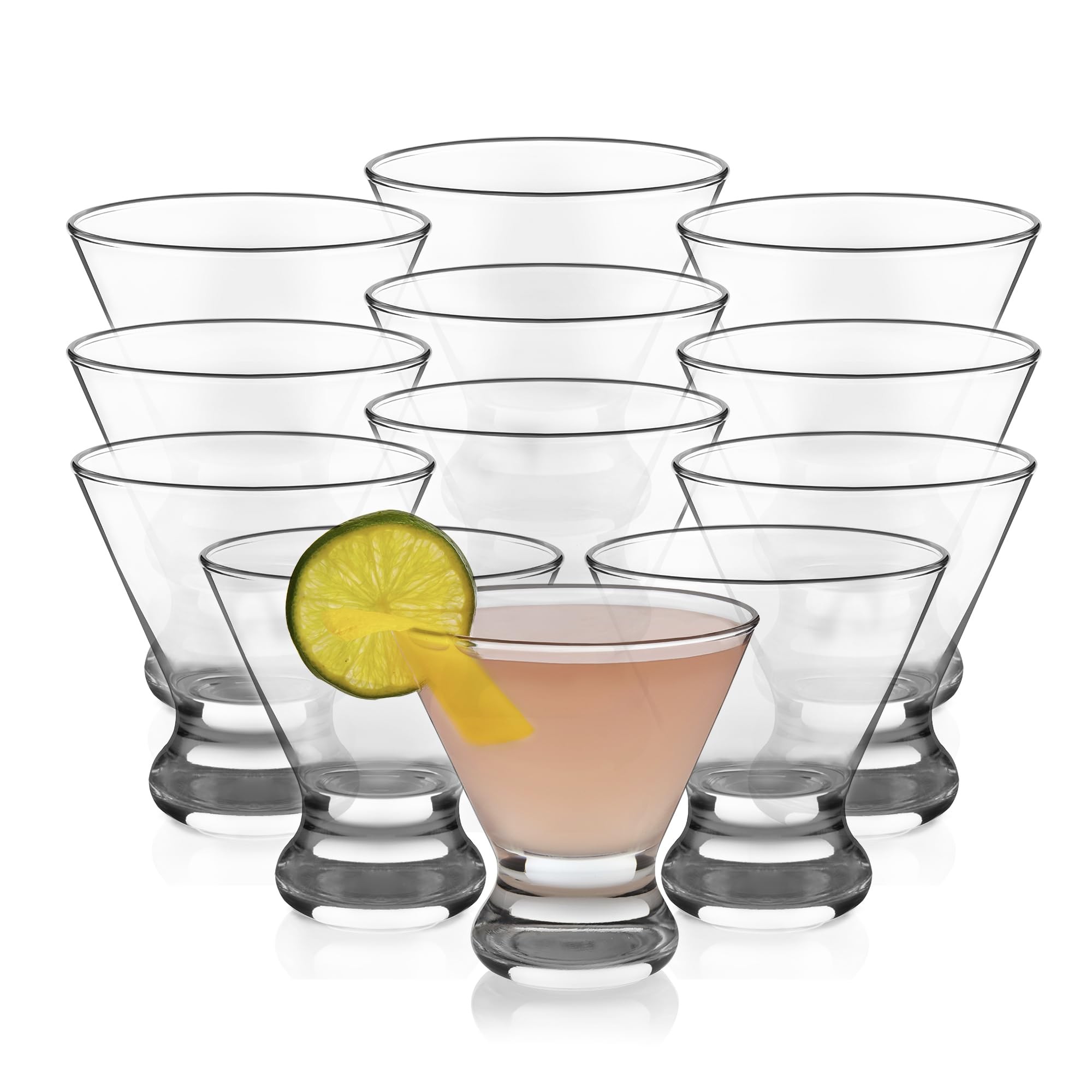
Libbey Cosmopolitan Stemless Martini Glasses Set of 12
12-pack makes them economical for home bars where breakage over time is the norm
Buy on Amazon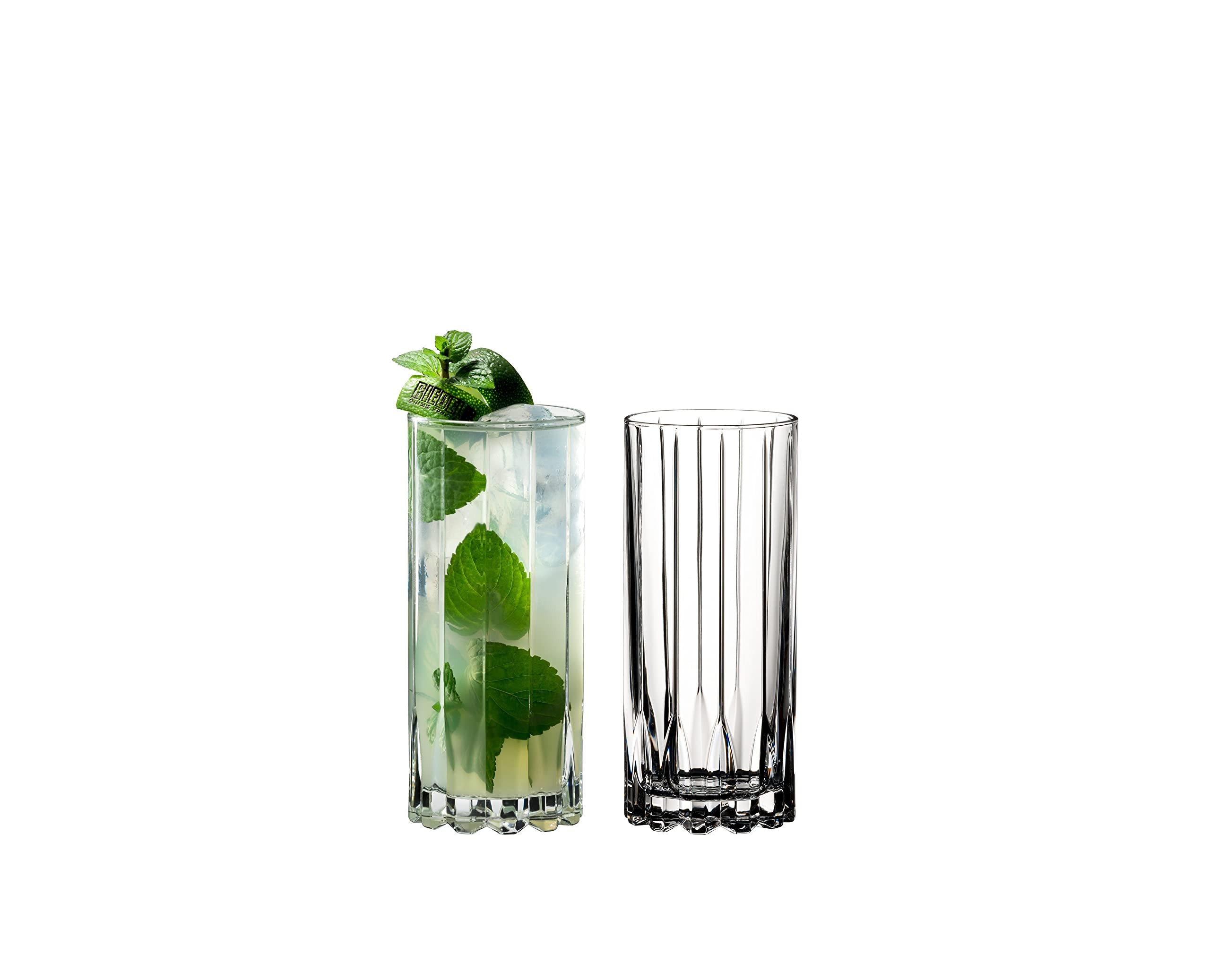
Riedel Bar Drink Specific Highball Glasses Set of 2
Riedel's Drink Specific series is designed for cocktail category , the highball form is engineered for G&T and Collins-style drinks
Buy on Amazon| Product | Price Range | Top Strength | Key Weakness | Buy |
|---|---|---|---|---|
| Schott Zwiesel Pure Coupe Glasses Set of 6 best overall | $$ | Tritan crystal coupe is dishwasher safe , the key practical advantage over vintage coupe glass | Wide bowl means carbonation dissipates faster , not ideal for sparkling wine service despite the association | Check Price |
| Libbey Cosmopolitan Stemless Martini Glasses Set of 12 also consider | $ | 12-pack makes them economical for home bars where breakage over time is the norm | Stemless means the hand warms the drink , not suitable for cocktails served at precise cold temperatures | Buy on Amazon |
| Riedel Bar Drink Specific Highball Glasses Set of 2 also consider | $$$ | Riedel's Drink Specific series is designed for cocktail category , the highball form is engineered for G&T and Collins-style drinks | Sold in pairs only , stocking a full bar kit requires multiple orders at premium cost | Buy on Amazon |
Coupe glasses carry a particular kind of expectation. Whether you’re shaking a Daiquiri for two or setting a bar cart that actually gets used, the glass you reach for shapes the experience more than most people admit. I’ve spent years hosting everything from casual cocktail nights to formal dinner parties in Charleston, and the right coupe , or the right stemless alternative , makes a genuine difference in how a drink lands. Choosing from the full range of glassware and crystal options takes some sorting, so here’s where I’d start.
The honest answer is that “coupe glass” has drifted into meaning almost anything wide-mouthed and cocktail-adjacent. This guide cuts through that. Testing covered three very different approaches — a true Tritan crystal coupe, a budget-friendly stemless option, and a highball engineered for long drinks — to give you a direct recommendation depending on what you actually pour.
What to Look For in Coupe Glasses for Cocktails
Bowl Shape and Volume
The coupe’s defining feature is its wide, shallow bowl , typically 5 to 7 ounces of usable volume. That shape exists for a reason. Shaken drinks like a Daiquiri, Sidecar, or Corpse Reviver benefit from the broad surface area, which opens the aromatics in a way a narrow martini glass won’t. What the coupe sacrifices is any ability to retain carbonation, which is why pairing one with sparkling wine is romantic but functionally a compromise. If your cocktail list leans fizzy, a different glass format makes more sense.
Volume matters more than people expect. A 4.5-ounce coupe forces honest, properly sized cocktails. A 7-ounce coupe invites over-pouring. Neither is wrong, but you should know which one you’re working with before you start scaling recipes.
Crystal vs. Glass
Lead-free crystal , particularly Tritan crystal, which Schott Zwiesel pioneered , offers genuine advantages over standard soda-lime glass. It’s harder, so it resists chipping at the rim where coupes are most vulnerable. It’s clearer, so it shows off a well-made cocktail. And critically, most Tritan crystal is dishwasher safe, which changes the calculus for anyone hosting more than four people.
Standard glass is heavier and more forgiving of rough handling in some ways, but rim chips are a genuine safety issue with any thin-edged glass. If you’re building a bar kit meant to last, the extra investment in crystal pays off over time , not in mystique, but in durability.
Stemmed vs. Stemless
This is a real trade-off, not an aesthetic preference. A stem keeps your hand off the bowl, which matters for any cocktail served at a specific cold temperature , a Daiquiri going warm in the third minute of a dinner party conversation is a small but real failure. Stemless glasses are more stable, less prone to tipping, and dramatically easier to store in normal kitchen cabinets.
Stemless works well for casual cocktail situations where drinks are poured, consumed, and refreshed quickly. Stemmed coupes reward a more deliberate pace. Know your hosting style before defaulting to one or the other. The broader glassware landscape offers both, and having a small set of each isn’t an unreasonable solution for a well-stocked home bar.
Clarity and Rim Finish
A good coupe is thin enough at the rim to not distract from drinking. Thick-rimmed glasses interrupt the sip , a minor irritation on wine, a more significant one on cocktails where the first impression of the drink matters. Hold any prospective purchase up to light and look for even clarity, no bubbles in the glass, and a rim that’s been fire-polished rather than ground.
Clarity also affects presentation. A slightly greenish or gray cast in the glass diminishes a beautifully colored cocktail. This matters less for a casual Monday bourbon sour, more for a pink Clover Club you’re photographing or serving to guests.
Top Picks
Schott Zwiesel Pure Coupe Glasses Set of 6
For anyone who wants an honest everyday coupe that handles a proper bar program without requiring hand-washing after every party, this is the set I’d recommend first. The Schott Zwiesel Pure Coupe Glasses Set of 6 earns the top spot not on heritage alone, but on the specific advantage that Tritan crystal gives you: it goes in the dishwasher, and it survives. I’ve run coupes through the same cycle I run everything else, and the rims don’t chip the way standard glass does. That’s not a small thing when you own six of them and host regularly.
The bowl geometry is genuinely correct for classic shaken cocktails. It’s wide and shallow enough to let a Daiquiri or Sidecar breathe properly, and the crystal clarity means the drink looks as good as it tastes. The trade-off is that carbonation dissipates quickly , don’t expect these to serve champagne well at length. They’re cocktail coupes, and they’re honest about it.
At a mid-range price band for a set of six, you’re paying for actual engineering, not just a name. The stem is elegant without being fragile, and the weight in hand feels considered rather than accidental. If I had to own one set of coupes, this would be it.
,
Libbey Midtown Stemless Cocktail Glasses Set of 12
Not every hosting situation calls for a stemmed coupe, and the Libbey Midtown Stemless Cocktail Glasses Set of 12 is the right answer for the home bar that gets actual, regular use. Twelve glasses at a budget price band means you can stock a bar without anxiety about breakage , and over a few years of parties, breakage is the norm, not the exception.
The stemless format trades temperature precision for stability. Your hand warms the drink faster than a stem would allow, which genuinely matters if you’re serving a carefully chilled cocktail to a guest who’s going to hold it for fifteen minutes while talking. For casual pourings , aperol spritzes on a patio, batch margaritas at a summer party , the temperature issue is far less significant. These glasses are also considerably easier to store, which is not nothing if your cabinet space is already optimized.
The glass itself is standard Libbey durability: not crystal-clear, not ultra-thin at the rim, but solid and predictable. Buy them for volume and practicality. Don’t buy them expecting a fine-dining crystal experience.
,
Riedel Bar Drink Specific Highball Glasses Set of 2
The Riedel Bar Drink Specific Highball Glasses Set of 2 sits in a different category than the other two picks, and I’m including it here because plenty of people searching for cocktail glasses actually need a highball rather than a coupe. If your drink list runs toward gin and tonics, Tom Collins, or any carbonated long drink, this format serves you better than any coupe would.
Riedel designed this series around specific cocktail categories rather than generalizing, and the highball form reflects that. The narrow opening retains carbonation, the tall bowl maintains ice-to-drink ratio over time, and the machine-blown lead-free crystal gives you optical clarity that makes a garnish-forward drink look intentional. For two people running a cocktail-forward home bar, the set-of-two format works as a premium add-on alongside a larger budget set. The limitation is real, though: stocking a full party setup means multiple orders, and the cost per glass sits at a premium level relative to the other picks here.
Buy these for the category of drink they’re designed for. Don’t buy them as a coupe substitute.
,
How to Choose
How Many Glasses Do You Actually Need?
The honest starting point is party size, not aspiration. A set of six covers most dinner parties and cocktail evenings for two to three couples. Twelve is the working number for anyone who entertains a rotating crowd, hosts holiday gatherings, or simply loses glasses to breakage at a meaningful rate. Buying fewer premium glasses and supplementing with a budget backup set is a legitimate strategy , the Schott Zwiesel coupes for the table, the Libbey stemless in the cabinet for overflow.
Coupe or Highball , Which Cocktail Style Dominates Your Bar?
Before buying any cocktail glass, audit what you actually make. Shaken, spirit-forward, served-up drinks , Daiquiris, Sidecars, Cosmopolitans, Gimlets , belong in a coupe. Carbonated long drinks , gin and tonic, Moscow Mule, Collins variations , belong in a highball or Collins glass. The coupe’s wide bowl actively undermines a sparkling drink. If your cocktail repertoire splits evenly between the two styles, you need both formats, and that’s fine. What’s not fine is buying a full set of one and forcing every drink into it.
Stemmed vs. Stemless for Your Hosting Style
Stemmed coupes reward formal or deliberate cocktail service. They look right on a proper bar cart, they keep the drink cold during conversation, and they signal that the cocktail was built with some intention. Stemless glasses reward casual, high-volume, informal situations. They stack better, break less dramatically, and work fine for any drink consumed within ten minutes of pouring. If you host both kinds of occasions , most people who entertain regularly do , owning a small set of each is worth the storage trade-off.
Dishwasher Tolerance and Practical Maintenance
This is undersold as a buying criterion. A set of glasses that requires hand-washing after a party changes your relationship to hosting. Tritan crystal , specifically the Schott Zwiesel construction , is the outlier here: genuinely dishwasher safe without the rim degradation that plagues standard glass coupes over time. Standard glass coupes and most lead-free crystal options are technically dishwasher-tolerant but degrade faster with repeated machine cycles. Budget glass is the most forgiving of rough handling because the investment per glass is low enough that replacement isn’t painful. Match your dishwasher habits to your glass choice before you commit.
When to Invest in a Matched Set vs. Mixing Formats
A matched set of six to twelve identical glasses reads more intentionally on a table and photographs better if that matters to you. Mixed formats , a coupe here, a highball there, a rocks glass somewhere else , can work beautifully on a bar cart but require more curatorial thought to avoid looking haphazard. For most people building a home bar from scratch, I’d recommend starting with one matched set in the format that fits your most-made cocktail, then adding a second format once you know where the gaps are. The full range of options in the glassware and crystal category is worth browsing before you commit to a single style direction.
Frequently Asked Questions
What is a coupe glass actually used for in cocktail service?
A coupe is designed for shaken or stirred cocktails served without ice , classic examples include the Daiquiri, Sidecar, Gimlet, and Cosmopolitan. The wide, shallow bowl allows aromatics to open up in a way a narrower glass won’t. It’s also used for champagne service, though the wide bowl means carbonation dissipates quickly, which is a genuine functional limitation. For most craft cocktail applications, the coupe is the correct choice for a “served-up” drink.
Can I use a coupe glass for sparkling wine?
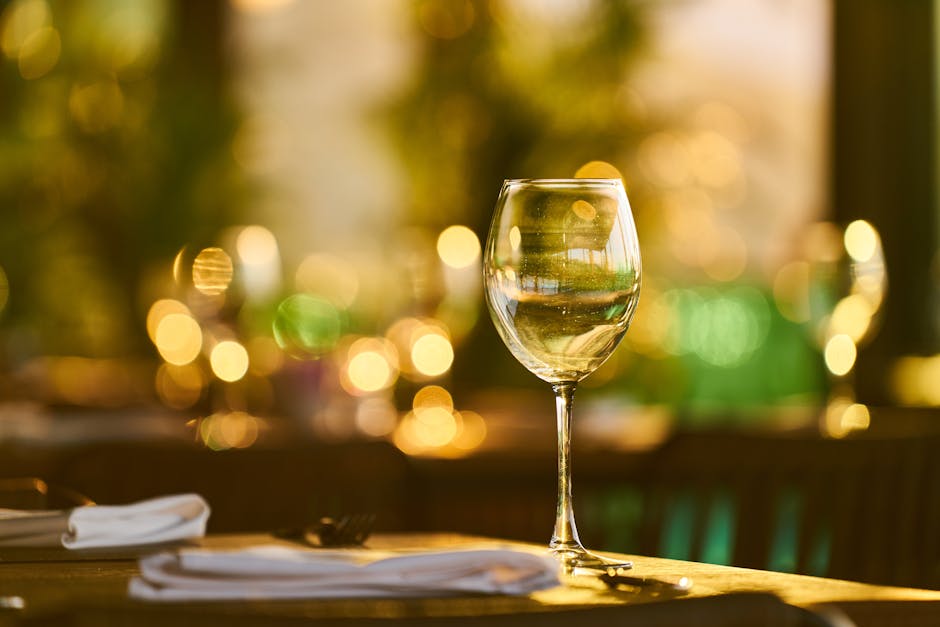
Technically yes, but the wide bowl means you’ll lose carbonation noticeably faster than you would in a flute or even a standard white wine glass. For an occasional champagne coupe serve , a classic presentation at a formal dinner , it works fine. For an evening where you want sparkling wine to stay lively through multiple pours, a narrower format serves the drink better. The Schott Zwiesel Pure Coupe Glasses are excellent cocktail coupes, but I wouldn’t rely on them as a champagne glass.
Is the Riedel highball a substitute for a coupe glass?
No, and treating it as one would waste what makes it good. The Riedel Bar Drink Specific Highball Glasses are engineered for tall, carbonated drinks , gin and tonics, Collins cocktails, and similar formats. A coupe is for short, served-up drinks. They serve genuinely different cocktail categories, and the glass shape isn’t interchangeable without a real trade-off in the drink’s character.
Does the stemless format actually affect drink quality?
Yes, in a measurable way for temperature-sensitive cocktails. A stemless glass means your hand contacts the bowl directly, which transfers heat faster than a stem would allow. For a drink served at 38°F that’s meant to stay cold through a fifteen-minute cocktail hour conversation, the temperature rise is noticeable. For casual, quickly consumed cocktails or drinks with a lot of ice, the effect is minimal.
How many coupe glasses should I own for home entertaining?
Six is the functional minimum for most home entertainers , it covers a dinner party for four to six guests with a little breakage buffer. Twelve makes more sense if you host larger gatherings or informal parties where glasses cycle through multiple rounds. If you’re buying a premium crystal set, six is a reasonable starting point; supplement with a budget stemless set for overflow rather than buying twelve premium coupes upfront. Your actual hosting patterns over a year will tell you whether you need more.
Frequently Asked Questions
What drinks is a coupe glass actually designed for?
A coupe is designed for shaken or stirred cocktails served without ice — classic examples include the Daiquiri, Sidecar, Gimlet, and Cosmopolitan. The wide, shallow bowl allows aromatics to open up in a way a narrower glass will not. It is also used for champagne service, though the wide bowl means carbonation dissipates quickly, which is a genuine functional limitation for sparkling wine served over an extended evening.
Stemmed coupe versus stemless cocktail glass — does the stem actually matter?
Yes, in a measurable way for temperature-sensitive cocktails. A stemless glass means your hand contacts the bowl directly, transferring heat faster than a stem allows. For a Daiquiri served at 38 degrees Fahrenheit that is meant to stay cold through a 15-minute conversation, the temperature rise is noticeable. For casual, quickly consumed cocktails or drinks with a lot of ice, the effect is minimal. Stemless works for casual, high-volume situations; stemmed coupes reward a more deliberate, formal cocktail service.
Schott Zwiesel Tritan crystal coupe or Libbey stemless set — which should I buy for a home bar?
It depends on how you clean up and how you host. The Schott Zwiesel Tritan crystal coupe is dishwasher safe and delivers genuine crystal clarity — the right choice if you host formal or semi-formal cocktail occasions and want a glass that performs well on the table. The Libbey Midtown stemless set is the right answer for a home bar that gets regular, casual use — twelve glasses at a budget price means breakage does not sting, and the stemless format is easier to store.
Can a coupe glass be used for sparkling wine or champagne?
Technically yes, but the wide bowl means you will lose carbonation noticeably faster than you would in a flute or standard white wine glass. For a classic champagne coupe serve at a formal dinner it works fine. For an evening where you want sparkling wine to stay lively through multiple pours, a narrower format serves the drink better. The Schott Zwiesel Pure Coupe Glasses are excellent cocktail coupes but are not designed to be champagne glasses.
How many coupe glasses do I need to start with for home entertaining?
Six is the functional minimum for most home entertainers — it covers a dinner party for four to six guests with a small breakage buffer. Twelve makes more sense if you host larger gatherings or informal parties where glasses cycle through multiple rounds. A practical approach is to buy six premium crystal coupes as your primary set and supplement with a budget stemless set for overflow, rather than buying twelve premium coupes upfront.
Where to Buy
Schott Zwiesel Pure Coupe Glasses Set of 6Check availability at Schott Zwiesel →