Fine Bone China Cups Reviewed: Quality Choices Beyond Everyday

Affiliate disclosure: Some links on this page are affiliate links. If you buy through them we earn a small commission at no extra cost to you. Recommendations are research-driven; we don't claim personal use of every product reviewed. Product prices and availability are accurate as of the date published and are subject to change. Always check Amazon for current pricing before purchasing. Learn more.
Quick Picks
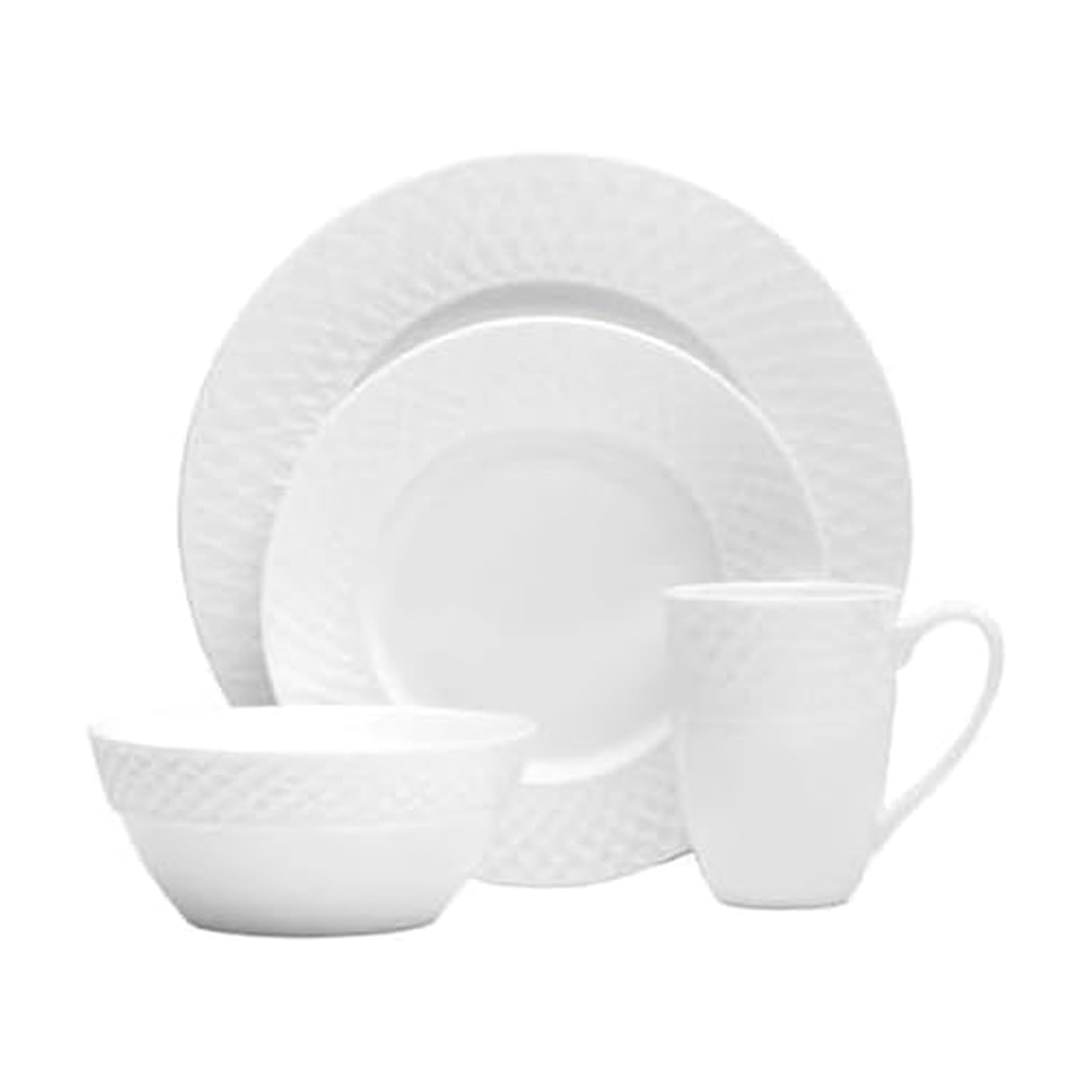
Mikasa Trellis 16-Piece Bone China Dinnerware Set
Bone china translucency gives each piece a slight luminosity at a candlelit table
Buy on Amazon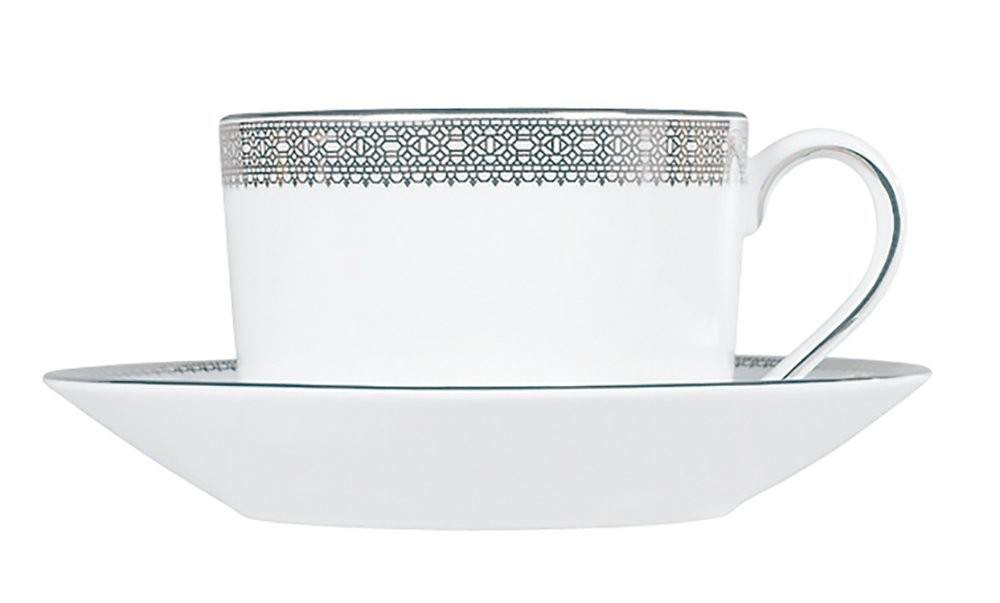
Wedgwood Vera Wang Lace Bone China Teacup and Saucer
Vera Wang lace-embossed bone china is the most recognised teacup design for formal afternoon tea settings
Buy on Amazon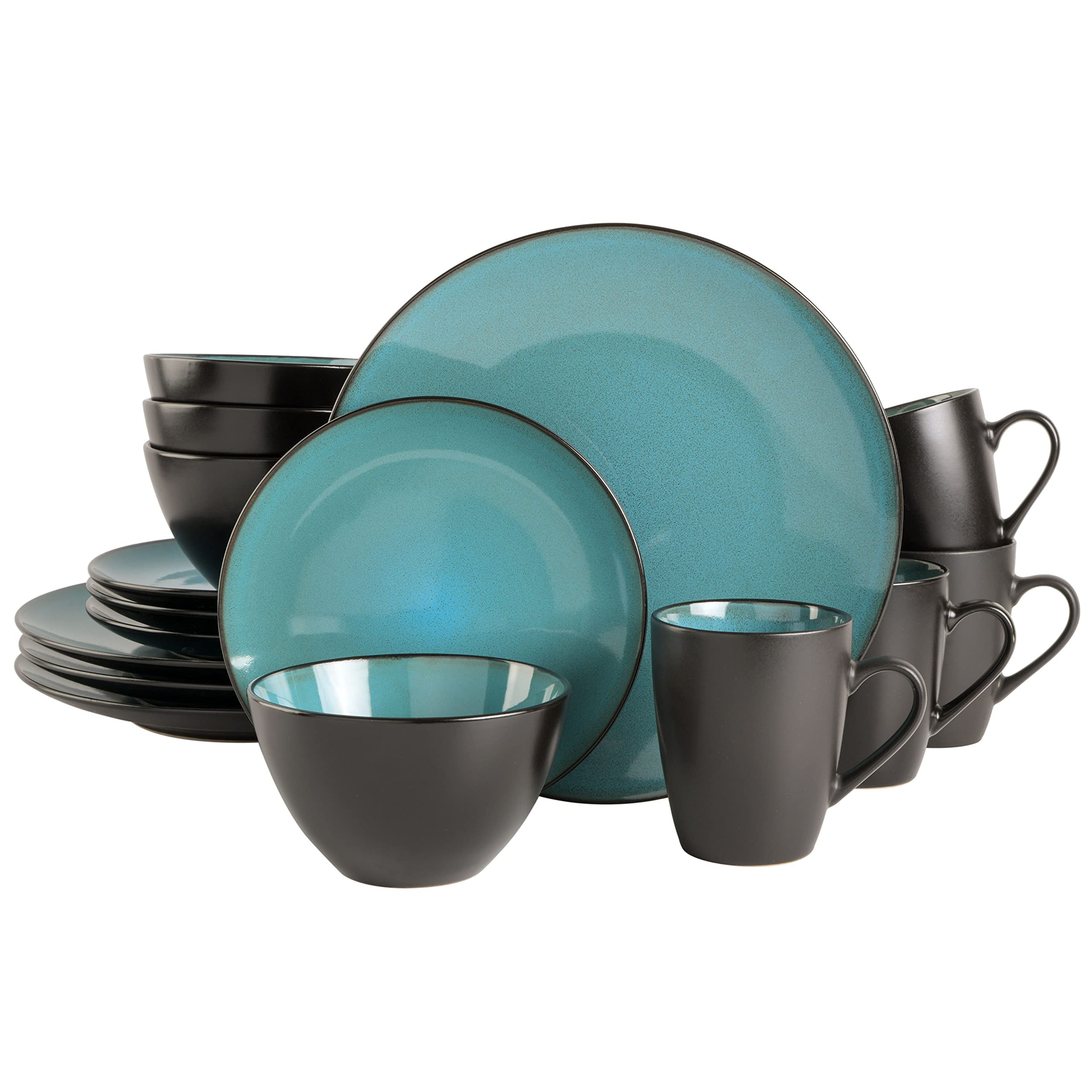
Gibson Elite Soho Lounge Round Teal 16-Piece Reactive Stoneware Set
Reactive glaze finish at entry-level pricing , looks more expensive than it costs
Buy on Amazon| Product | Price Range | Top Strength | Key Weakness | Buy |
|---|---|---|---|---|
| Mikasa Trellis 16-Piece Bone China Dinnerware Set best overall | $$ | Bone china translucency gives each piece a slight luminosity at a candlelit table | Bone china is more fragile than stoneware , chips at rim edges with rough dishwasher loading | Buy on Amazon |
| Wedgwood Vera Wang Lace Bone China Teacup and Saucer also consider | $$$ | Vera Wang lace-embossed bone china is the most recognised teacup design for formal afternoon tea settings | Platinum trim requires hand-washing , not suitable for daily use in households reliant on the dishwasher | Buy on Amazon |
| Gibson Elite Soho Lounge Round Teal 16-Piece Reactive Stoneware Set also consider | $ | Reactive glaze finish at entry-level pricing , looks more expensive than it costs | Reactive glaze variation is less refined than Costa Nova , some pieces look muddier | Buy on Amazon |
Fine bone china carries a quality you notice before you’ve even lifted the cup , a slight translucency, a rim thinned just enough to feel considered rather than industrial. If you’re shopping the Dinnerware & China category for something that steps beyond everyday stoneware without requiring a complete overhaul of your table, the choices narrow quickly once you understand what separates genuinely good bone china from pieces that just look the part in a photograph.
Not every cup on this list is bone china , one is stoneware, and it’s here because it answers a real question: what do you buy if the aesthetic appeals but the fragility doesn’t? The three picks below cover that range honestly.
What to Look For in Fine Bone China Cups
Translucency and Bone Ash Content
Genuine bone china contains a minimum of 30 percent calcined bone ash , the material responsible for the characteristic translucency that separates it from porcelain and stoneware. Hold a piece up to light: if you can see the shadow of your fingers through the body of the cup, the bone ash content is doing its job. Lower bone ash percentages produce a denser, less luminous piece that still carries the bone china label but lacks the visual delicacy that makes the category worth the investment.
This matters most at a candlelit table, where bone china picks up and diffuses light in a way that stoneware simply cannot replicate. It also affects weight , genuine bone china is noticeably lighter than stoneware of the same size, which contributes to the lifted, elegant feel when you hold a cup. That lightness is not a compromise; it’s the point.
Glaze Quality and Surface Finish
The glaze on a bone china cup does two jobs: it protects the body from staining and it defines the visual character of the piece. A good glaze is smooth to the lip, free of pinholes or rough patches, and applied evenly across the rim. Run your fingertip slowly around the lip of any cup before you commit , a glaze that feels slightly gritty or uneven will magnify with regular use and eventually stain around those micro-imperfections.
Matte glazes on bone china are uncommon for a reason: bone china’s natural luminosity reads best under a gloss or semi-gloss finish. If you’re drawn to a piece with a matte or reactive glaze, be aware that you’re likely looking at stoneware regardless of the marketing language on the box.
Rim Profile and Weight Balance
A thin rim is not fragile by definition , it’s a sign of quality craftsmanship when the clay body is formulated correctly. Bone china achieves thin rims without sacrificing structural integrity in the cup wall, which is why drinking from well-made bone china feels fundamentally different from a mug. The rim should feel almost blade-like against your lip, not blunt.
Weight balance matters particularly for teacups with handles. The handle should feel proportionate , not so slight that it requires a two-finger grip, not so heavy that it tips the balance of the cup when filled. Hold the cup with liquid in it before you judge the handle design. A handle that looks elegant empty can feel awkward at three-quarters full.
Durability Relative to Intended Use
Bone china is more durable than its delicate appearance suggests, but it is not stoneware. The trade-off is real and worth stating plainly before you decide. For a table set specifically for hosting , used carefully, loaded gently into the dishwasher, stored with felt separators , bone china holds up well over years of use. For a household that runs the dishwasher hard with mixed loads, stoneware is the honest choice.
Exploring the full range of dinnerware and table settings before settling on a material is worthwhile, particularly if you’re buying pieces that will serve both daily use and hosting. Some households keep two sets for exactly this reason.
Top Picks
Mikasa Cameo White 5-Piece Bone China Place Setting
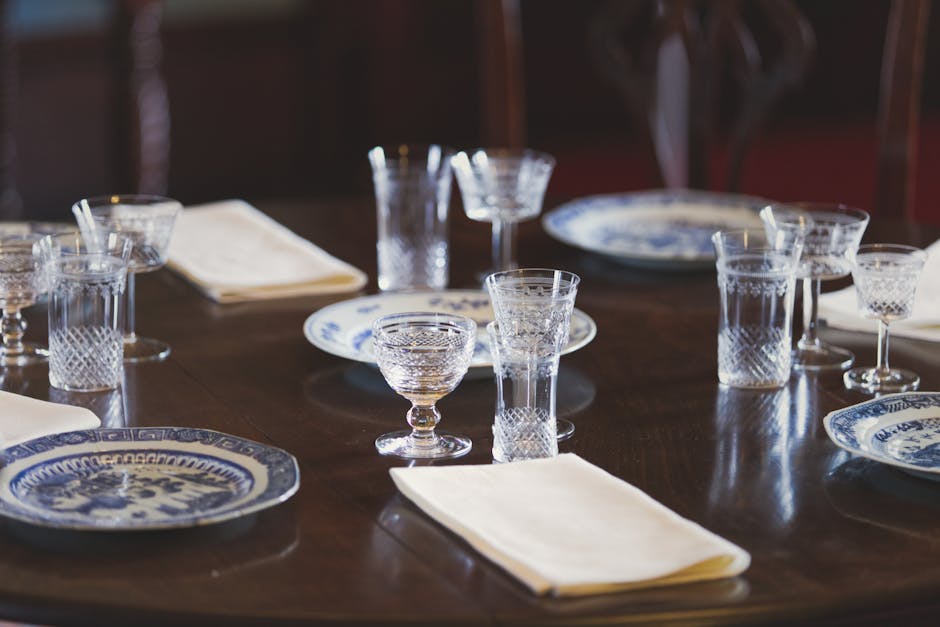
For anyone upgrading from everyday stoneware to something more refined, this five-piece place setting is where I’d start the conversation. The translucency on the bone china body is genuine , hold a dinner plate up to a window and the luminosity reads immediately. At a candlelit table, that quality gives the whole setting a warmth that mass-market porcelain cannot produce.
The rim profile is clean and restrained, which means it functions as a blank canvas. Patterned linens, plain linen, seasonal centerpieces , the Cameo White doesn’t compete with any of it. That kind of neutrality is harder to find than it sounds in this category, where many mid-range bone china lines default to gold banding or floral embossing that dates quickly.
Dishwasher safety is real here, though the caveat matters: top rack, careful loading, space between pieces. The bone china chips at rim edges under rough loading conditions , not a flaw unique to this line, but worth knowing before you treat it the way you’d treat a stoneware set. Stored and loaded thoughtfully, it holds up better than older bone china formulas.
One honest note on color: the body is a warm cream rather than pure white. Against stark white linen, that difference is visible. Against natural linen, antique white, or any warm-toned textile, it reads beautifully and the cream tone actually makes the setting feel more considered rather than clinical.
,
Check current price on Amazon.
Wedgwood Vera Wang Lace Bone China Teacup and Saucer
The most recognizable teacup design for formal afternoon tea settings, and the recognition is earned. Wedgwood Vera Wang Lace Bone China Teacup and Saucer carries a lace-embossed pattern pressed into the bone china body rather than applied as a surface print , the texture is part of the piece, not a decal that fades or chips. Under platinum trim, the effect is formal without being fussy.
The saucer is worth noting separately. It’s wide enough to function as an individual plate for petit fours or a single pastry, which gives it genuine utility beyond teacup staging , a detail that matters when you’re hosting an afternoon tea rather than simply displaying a set. That dual function is something fewer teacup lines think through properly.
The platinum trim is the constraint you need to go in knowing: hand-wash only, no exceptions. Dishwasher detergent will dull and eventually lift the trim, and there is no recovering from that. If your household’s hosting cadence is occasional , a seasonal afternoon tea, a special birthday celebration , the hand-washing requirement is manageable. As daily china, it isn’t. I’d argue this is a set you buy for a specific purpose, keep stored between uses, and handle with the intention its design signals.
,
Check current price on Amazon.
Gibson Elite Soho Lounge Round Teal 16-Piece Reactive Stoneware Set
This one isn’t bone china, and leading with that matters. The Gibson Elite Soho Lounge Round Teal 16-Piece Reactive Stoneware Set is here because a meaningful number of buyers considering fine bone china cups are really asking a different question: I want something that looks elevated and artisanal , do I actually need bone china to get there? For that buyer, the answer is no.
Reactive glaze produces a finish that reads organic and handcrafted in a way that standard glazes don’t. Each piece comes out of the kiln slightly differently, which is the appeal , a table set with reactive glaze stoneware has visual interest that mass-produced uniform china lacks. At budget pricing for a 16-piece set that includes four bowls, the value-to-aesthetic ratio is genuine.
The trade-offs are real. The reactive glaze variation is less refined than premium stoneware , some pieces in a batch read muddy where the glaze has pooled heavily, and the tonal range across a set can be wider than photographs suggest. Rim edges on some batches run slightly rough. Neither issue is a dealbreaker for everyday use, but if you’re comparing this directly to Costa Nova or a similar mid-range reactive glaze line, the finish quality gap is visible. The price difference is equally visible, which is why this set remains a legitimate recommendation rather than simply a compromise.
Microwave and dishwasher safe, genuinely complete service for four, and durable enough to handle daily household use without ceremony.
,
Check current price on Amazon.
How to Choose
Daily Use vs. Hosting-Only
The single most clarifying question you can ask before buying is whether these pieces will be used daily or reserved for hosting. Bone china rewards careful handling , it’s more than capable of regular use, but it performs best in households that load the dishwasher thoughtfully and store pieces with some care. If your reality is a busy kitchen where cups get stacked without separators and run through the dishwasher in mixed loads, stoneware will serve you better and cost you less frustration.
For hosting-only use, the calculus flips. The Wedgwood Vera Wang set makes complete sense as a dedicated afternoon tea service stored between occasions. The Mikasa Cameo White works beautifully as a place setting pulled out for dinner parties. Neither requires daily hardiness.
Bone China vs. Stoneware , Deciding Honestly
The visual difference between bone china and quality stoneware is real. The practical difference depends entirely on what you’re asking the set to do. Bone china’s translucency and lightness are design properties, not incidental features , they change how a table feels. Stoneware’s weight and glaze variation offer a different kind of character, one that reads warm and artisanal rather than formal and refined.
Neither is superior in absolute terms. A table set for a casual Sunday lunch reads better in stoneware. A table set for an anniversary dinner or an afternoon tea service reads better in bone china. Buy toward the occasions you actually host, not the ones you imagine hosting.
Matching Cups to Your Existing Table Setting
Bone china’s color range is narrower than stoneware , most pieces fall between warm cream and pure white, with pattern applied through embossing, transfer print, or metallic trim. If you’re adding cups to an existing table setting rather than building from scratch, pay attention to undertones. A cool-white bone china teacup next to a warm-cream dinner plate creates a disconnect that’s subtle but visible.
The Mikasa Cameo White’s warm cream tone works naturally alongside most natural-linen and warm-white tablecloths. The Wedgwood Vera Wang’s platinum trim reads best against white or silver textiles rather than warm gold tones. Browse the broader dinnerware range if you’re trying to mix pieces across different lines , seeing what coordinates are available from each brand helps before you commit.
Handle Design and Cup Capacity
For teacups specifically, handle design and liquid capacity deserve more attention than they typically get in buying decisions. A teacup handle that requires a pinched three-finger grip signals formal occasion use , beautiful in context, impractical for a casual afternoon. A handle with enough depth for a relaxed two-finger hold is more versatile.
Capacity matters for how you drink. A teacup in the 6, 8 ounce range is standard for afternoon tea service. A cup intended for filter coffee or americano needs significantly more volume , roughly 10, 12 ounces , to be functional. Confirm capacity against the product specifications before purchasing, particularly for bone china cups where the visual scale can be deceptive.
Caring for Bone China Long-Term
Bone china lasts decades with straightforward care. The practices that extend its life are not complicated: use the top rack, keep pieces separated during washing, and avoid thermal shock by not moving pieces directly from a hot oven to cold water. Stack with felt or foam separators in storage , rim chips almost always happen in storage, not in use.
Metallic trim , gold, platinum, or silver banding , reduces your options immediately. Hand-wash only, always. Dishwasher detergent is formulated to strip film from surfaces; it will do the same to metallic trim over time. If convenience is a priority and metallic trim is appealing, buy two sets: one trimmed for hosting, one plain for daily use.
Frequently Asked Questions
Is bone china more fragile than regular porcelain?
Bone china is often perceived as more fragile because of how it looks, but the bone ash content actually makes it stronger than standard porcelain at comparable thicknesses. The durability trade-off is against stoneware, not porcelain , stoneware is denser and more resistant to chipping under rough handling. Bone china chips at rim edges primarily when pieces knock together in the dishwasher or storage, so separation and careful loading matter more than the material itself.
Can I use fine bone china cups in the dishwasher?
Most plain bone china is dishwasher safe on the top rack, including the Mikasa Cameo White place setting. The exception is any piece with metallic trim , gold, platinum, or silver banding requires hand-washing without exception. Dishwasher detergent degrades metallic finishes over repeated cycles and the damage is irreversible. If a set includes both plain and trimmed pieces, the trimmed pieces dictate the care routine for the whole set.
What is the difference between bone china and fine china?
Bone china contains a minimum of 30 percent calcined bone ash in the clay body, which produces its characteristic translucency and lighter weight. Fine china , sometimes called hard-paste porcelain , contains no bone ash and fires at higher temperatures, producing a denser, less translucent body. Both carry the “china” designation, but bone china’s luminosity and lightness are properties that fine china cannot replicate. At the table, the visual difference is most apparent under warm lighting.
Is the Wedgwood Vera Wang teacup suitable for everyday use?
Not practically, for most households. The platinum trim requires hand-washing, which makes daily use inconvenient rather than impossible. The Wedgwood Vera Wang Lace Bone China Teacup and Saucer is best suited to occasional formal use , afternoon tea service, special occasions, or display. For daily bone china that handles dishwasher use, the Mikasa Cameo White is a more honest recommendation.
How do I stop bone china cups from chipping in storage?
Stack with felt separators between pieces , this single habit prevents the majority of rim chips that happen in storage rather than in use. Purpose-made plate and cup separators are inexpensive and widely available. Hanging cup storage on hooks eliminates the stacking problem entirely for teacups and mugs. For long-term storage between seasonal uses, wrap each piece individually in acid-free tissue and store upright rather than stacked wherever possible.
Frequently Asked Questions
Is bone china more fragile than regular porcelain?
Bone china is often perceived as more fragile because of how it looks, but the bone ash content actually makes it stronger than standard porcelain at comparable thicknesses. The real fragility comparison is against stoneware, which is denser and more resistant to chipping under rough handling. Bone china chips at rim edges primarily when pieces knock together in the dishwasher or in storage, so separation and careful loading matter more than the material itself.
Can I use fine bone china cups in the dishwasher?
Most plain bone china is dishwasher safe on the top rack, including the Mikasa Cameo White place setting. The exception is any piece with metallic trim — gold, platinum, or silver banding requires hand-washing without exception. Dishwasher detergent degrades metallic finishes over repeated cycles and the damage is irreversible. If a set includes both plain and trimmed pieces, the trimmed pieces dictate the care routine for the whole set.
What is the difference between bone china and fine china?
Bone china contains a minimum of 30 percent calcined bone ash in the clay body, which produces its characteristic translucency and lighter weight. Fine china — sometimes called hard-paste porcelain — contains no bone ash and fires at higher temperatures, producing a denser, less translucent body. Bone china's luminosity and lightness are properties that fine china cannot replicate, and the visual difference is most apparent under warm lighting.
Is the Wedgwood Vera Wang teacup suitable for everyday use?
Not practically, for most households. The platinum trim requires hand-washing, which makes daily use inconvenient rather than impossible. The Wedgwood Vera Wang Lace Bone China Teacup and Saucer is best suited to occasional formal use — afternoon tea service, special occasions, or display. For daily bone china that handles dishwasher use, the Mikasa Cameo White is the more honest recommendation.
How do I stop bone china cups from chipping in storage?
Stack with felt separators between pieces — this single habit prevents the majority of rim chips that happen in storage rather than in use. Purpose-made plate and cup separators are inexpensive and widely available. For long-term storage between seasonal uses, wrap each piece individually in acid-free tissue and store upright rather than stacked wherever possible.
Where to Buy
Mikasa Trellis 16-Piece Bone China Dinnerware SetSee Mikasa Trellis 16-Piece Bone China Di… on Amazon