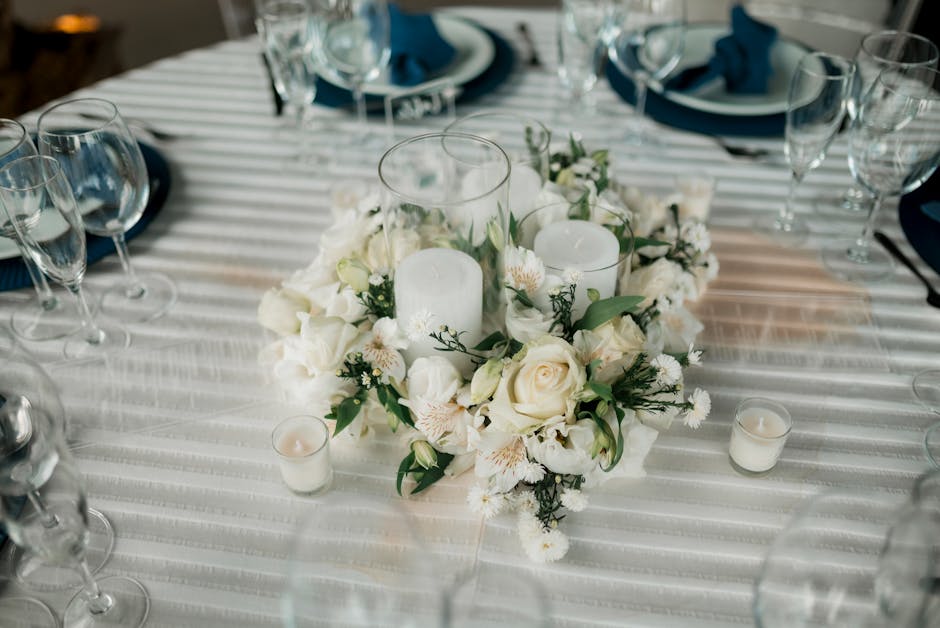
Mikasa Crystal Champagne Flutes Buyer's Guide

Affiliate disclosure: Some links on this page are affiliate links. If you buy through them we earn a small commission at no extra cost to you. Recommendations are research-driven; we don't claim personal use of every product reviewed. Product prices and availability are accurate as of the date published and are subject to change. Always check Amazon for current pricing before purchasing. Learn more.

Quick Picks
Mikasa Crystal Orson Champagne Flutes (Set of 4)
Crystal clarity at mid-range pricing , the accessible Mikasa crystal line
Check availability at Mikasa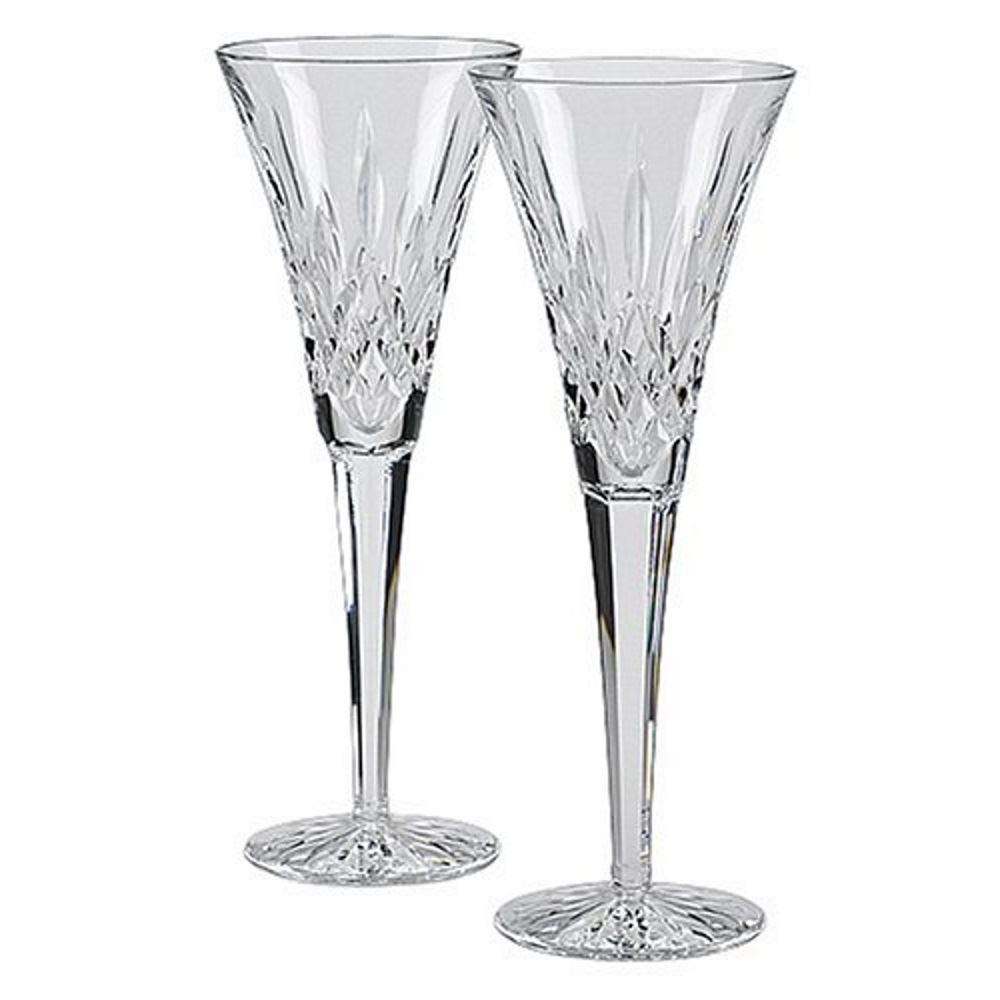
Waterford Lismore Crystal Champagne Flute Pair
Iconic Lismore diamond-and-wedge cut catches light from every angle
Buy on Amazon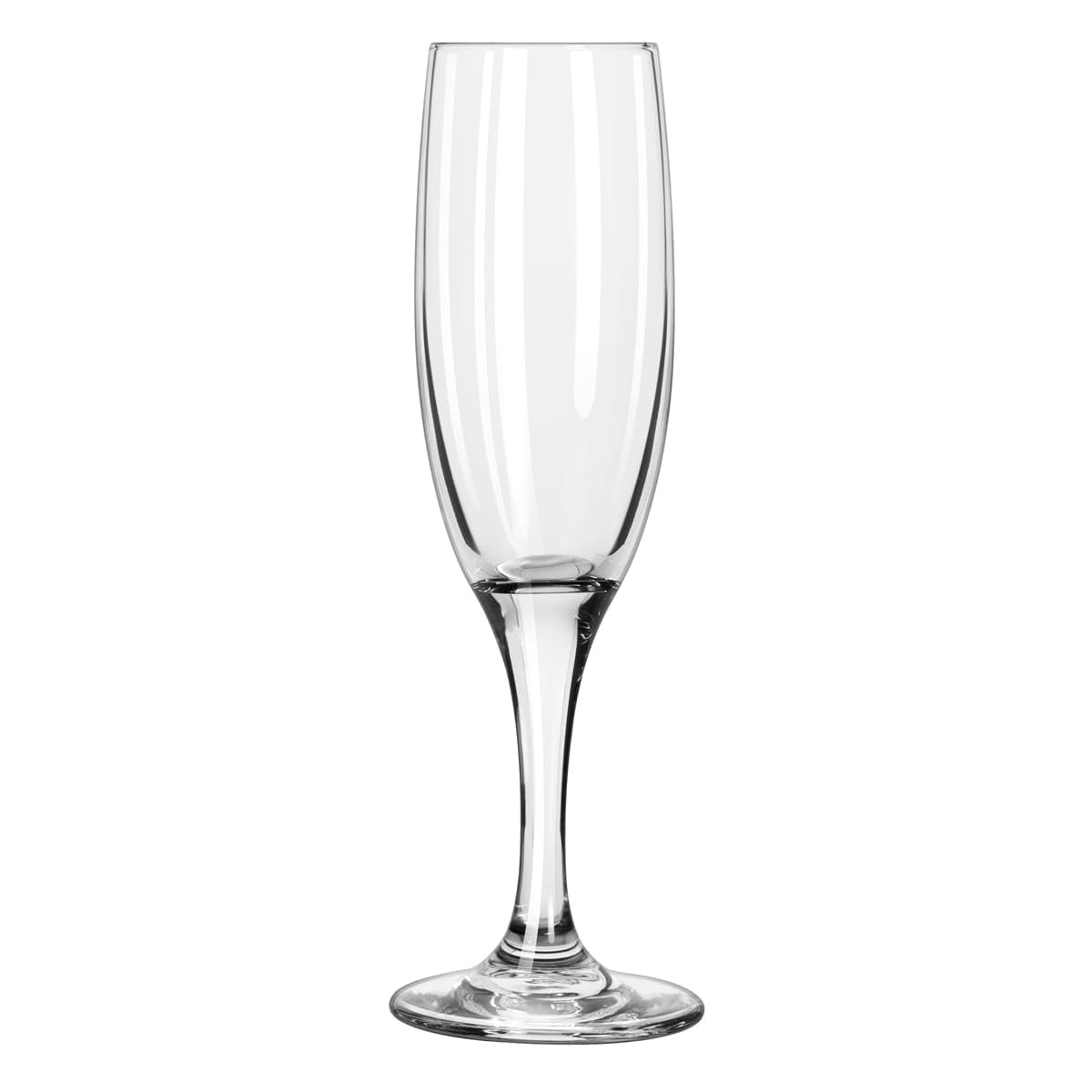
Libbey Embassy Champagne Flutes Set of 8
8-pack at a budget price makes them practical for parties where breakage is expected
Buy on Amazon| Product | Price Range | Top Strength | Key Weakness | Buy |
|---|---|---|---|---|
| Mikasa Crystal Orson Champagne Flutes (Set of 4) best overall | $$ | Crystal clarity at mid-range pricing , the accessible Mikasa crystal line | Crystal is thinner than Waterford or Rosenthal , more prone to chipping at rim | Check Price |
| Waterford Lismore Crystal Champagne Flute Pair also consider | $$$ | Iconic Lismore diamond-and-wedge cut catches light from every angle | Delicate flute bowl combined with cut crystal makes these hand-wash only | Buy on Amazon |
| Libbey Embassy Champagne Flutes Set of 8 also consider | $ | 8-pack at a budget price makes them practical for parties where breakage is expected | Machine-pressed glass lacks the clarity of mouth-blown crystal , visible seam lines under close inspection | Buy on Amazon |
Choosing champagne flutes sounds simple until you’re standing at a table set for eight, pouring bubbles into glasses that look mismatched or feel wrong in the hand. The right flute holds carbonation well, catches the light, and survives the occasion , whether that’s a holiday dinner or a Wednesday that deserves a little ceremony. There’s more variety in Glassware & Crystal than most people expect, and the differences between crystal and glass, budget and premium, matter more than the marketing suggests.
The gap between a flute that works and one that genuinely elevates the moment comes down to a few specific things: how the bowl is shaped, how the rim is finished, and how the piece feels in your hand. I’ve set enough tables to have opinions about all three.
What to Look For in Crystal Champagne Flutes
Clarity and Light Transmission
Not all crystal looks the same in use. The visual difference between machine-pressed glass and mouth-blown crystal becomes obvious the moment you pour , crystal refracts light with a depth that pressed glass doesn’t replicate, and that quality is most visible in a tall, narrow flute where there isn’t much else competing for the eye.
Lead-free crystal formulations have largely replaced older lead crystal, and the best current examples sacrifice nothing in clarity. What you’re paying for as you move up the price range is a thinner, more even wall , the kind that comes from skilled forming rather than a mold.
Flute Shape and Bubble Retention
The classic tall flute exists for a reason: the narrow opening slows the escape of carbonation, which keeps your champagne lively from the first pour to the last sip. Tulip shapes offer more aromatics but sacrifice some of that effervescence. Coupes are beautiful at a table and a poor choice if you care about bubbles lasting more than a few minutes.
For sparkling wine specifically, I’d stay with a flute or a very gently tapered tulip. The shape isn’t just aesthetic , it determines how long a glass of champagne remains interesting to drink.
Rim Finish
A fire-polished or cut rim behaves differently in the hand than a raw machine edge. On a fine flute, the rim is thin enough that you barely feel it against your lip; on budget pressed glass, you often do. This is one of those details that only registers after you’ve used both side by side.
For everyday entertaining, a smooth machine-finished rim is perfectly acceptable. For a table you’re proud of, the rim is worth examining before you buy.
Durability and Care Requirements
Crystal flutes, by nature, are more fragile than their weight suggests. The thinner the wall, the better the experience , and the higher the risk of a chipped rim in the dishwasher. Most fine crystal is hand-wash recommended, which is the honest answer even when a manufacturer lists dishwasher safe as an option.
If you’re buying for regular party use, durability has to factor into the decision. A flute you can run through a dishwasher with reasonable confidence is a different product category from a heirloom piece that lives in a cabinet between holidays.
Set Size and Long-Term Buildability
A set of two looks elegant in a gift box and becomes a frustration when you’re seating six. Think about how you actually entertain before committing to a set size. Some lines are easy to expand because the pattern has been in continuous production for decades. Others are quietly being phased out, making it difficult to replace a broken piece or extend the set.
Before investing in a pattern you love, it’s worth checking whether replacements are readily available , browsing the full range of crystal and stemware options is a useful way to spot which lines have staying power and which are reaching end of life.
Top Picks
Crystal Orson Champagne Flutes (Set of 4)
For someone stepping up from everyday glass to crystal for the first time, the Crystal Orson Champagne Flutes (Set of 4) offer a clear entry point into the Mikasa crystal line without the commitment of a premium price. The elongated flute shape and pulled stem give these a lighter, more refined silhouette than you’d expect at this tier , they photograph beautifully on a set table and read as more expensive than they are.
The crystal is noticeably thinner than what you’d find from Waterford or Rosenthal, which is the honest trade-off for the mid-range positioning. That thinness is part of what makes them look elegant, but it also means the rim is more vulnerable to chipping than thicker glass. Dishwasher-safe on the top rack is a real claim here, though hand washing will extend their life considerably. I’d call these a practical choice for the host who wants crystal without treating every flute like a museum piece.
One note worth flagging: the Orson line is being phased out in some markets. Stock availability is genuinely variable, so if you find these and they suit your table, buying the full quantity you need at once is the smarter move.

,
Check current price on Amazon.
Lismore Crystal Champagne Flute Pair
The Lismore Crystal Champagne Flute Pair from Waterford is the champagne flute I’d give as a wedding gift without a second thought. The Lismore pattern , that distinctive diamond-and-wedge cut , has been in continuous production long enough that it has become genuinely iconic, and it earns that status every time light hits the bowl. Clarity, consistency, and craftsmanship at a level that holds up to close comparison with anything in the category.
For table use, the tall flute shape does exactly what it should: bubbles are preserved well into the second half of the glass, which matters if you’re sipping slowly through a long dinner. Lead-free crystal, excellent weight in the hand, and a rim finish that genuinely rewards the hand-wash requirement.
The practical caveat is set size. The pair format is standard for this line, which means building a table of eight requires four separate purchases. That’s a real cost consideration for anyone hosting at scale, and it’s worth factoring in honestly.

,
Check current price on Amazon.
Libbey Embassy Champagne Flutes Set of 8
The Libbey Embassy Champagne Flutes Set of 8 exist to solve a specific problem: you need eight flutes, breakage is a real possibility, and the budget for this particular detail is limited. That’s a legitimate hosting scenario, and these handle it competently. Made in the USA, backed by Libbey’s Safedge rim guarantee, and available in an eight-pack , the practical math works in their favor immediately.
Under close inspection, the machine-pressed construction shows. Visible seam lines and a density to the glass that crystal doesn’t carry are present if you’re looking for them. At arm’s length across a candlelit table, the difference is much less obvious, and for a high-volume gathering , a New Year’s Eve party, a large holiday dinner , that’s the only distance that matters.
I’d be direct about what these are and what they aren’t. They’re not a substitute for crystal on a table where the details matter. They are a genuinely sensible choice for a host who wants to pour without anxiety and replace breakage without regret.
,
Check current price on Amazon.
How to Choose
Match the Flute to the Occasion
The first question isn’t which flute looks best , it’s what you’re actually using it for. A holiday table for four close friends calls for something different than a backyard graduation party for fifty. Crystal flutes reward intimate settings where guests are likely to hold the glass, examine it, and pour slowly. For high-volume occasions where glasses migrate across rooms and wind up on counters without coasters, a durable set with more pieces makes more sense.
Mixing both in your cabinet is not a compromise , it’s practical. A set of crystal for dinners and a larger set of durable glass for parties gives you the right tool for each occasion.
Crystal vs. Glass , Where the Difference Is Real
Crystal’s advantage over machine-pressed glass is most visible in two places: clarity in the bowl and rim thinness. Both of those qualities affect the drinking experience in ways that are easy to dismiss in theory and hard to ignore in practice. The clarity is aesthetic; the rim thinness is tactile, and the tactile difference is what most guests actually register even if they couldn’t articulate why one glass feels better than another.
That said, the difference between mid-range crystal and premium crystal is less dramatic than the difference between crystal and basic pressed glass. If you’re choosing between the Mikasa Orson and the Waterford Lismore, you’re choosing between a very good flute and an exceptional one , not between night and day.
Set Size and the Math of a Full Table
Eight people at a table requires eight flutes, and that sounds obvious until you’re pricing out a set. Sets of two, four, and eight exist at different price points and different levels of quality. The Waterford Lismore pair is worth every consideration , but building to eight means four separate purchases. The Libbey Embassy eight-pack solves that arithmetic immediately.
Think about the largest gathering you realistically host and buy to that number, accounting for one or two extra for breakage over time. A complete set of eight that you’re confident in does more for a table than six exceptional glasses supplemented by two that don’t match.
Hand Wash vs. Dishwasher Reality
Every manufacturer’s care instructions lean conservative, and for good reason , a single dishwasher cycle gone wrong can chip a rim or cloud crystal. Fine crystal is genuinely hand-wash territory. Mid-range crystal labeled dishwasher safe can tolerate it with precautions: top rack only, low heat dry, no crowding. Budget pressed glass is the most forgiving here, which is one of the underrated advantages of the Libbey Embassy set for anyone who runs a busy kitchen.
Be honest with yourself about how you actually clean stemware after a late dinner. If the answer is “in the dishwasher with everything else,” that’s a relevant filter when choosing between options.
When to Invest and When to Stay Practical
Premium crystal makes the most sense when the glass will be used for occasions that merit it and cared for accordingly. A pair of Waterford Lismore flutes as a wedding anniversary gift, or as the dedicated set for celebrations that happen a handful of times a year, will justify the investment many times over.
For everything else , regular entertaining, casual toasts, a table that includes guests who aren’t especially careful , mid-range crystal or durable glass is the more sensible answer. Exploring the full range of champagne and sparkling wine stemware before committing gives you a clearer sense of where each tier genuinely pulls away from the one below it, and where the differences are mostly about brand cachet.
Frequently Asked Questions
Are Mikasa champagne flutes real crystal?
The Mikasa Orson line uses lead-free crystal, which means it meets the technical definition of crystal by mineral content , not just marketing terminology. The walls are thinner and the clarity is better than standard machine-pressed glass, which is the practical difference you’ll notice in use. It’s entry-level crystal rather than fine crystal, which is reflected honestly in its positioning against lines like Waterford.
How do you keep champagne bubbles from going flat too quickly in a flute?
Bubble retention is primarily a function of flute shape and glass cleanliness. A tall, narrow flute preserves carbonation longer than a coupe or wide tulip because the smaller opening slows CO₂ escape. Even trace amounts of dish soap residue can collapse bubbles quickly, so rinsing thoroughly , and air-drying rather than towel-drying , makes a real difference. The Waterford Lismore flute’s tall shape is specifically well-suited to this.
Is the Waterford Lismore worth the premium over mid-range crystal flutes?
For a gift, a wedding registry, or a set you’ll use for genuinely special occasions, yes. The Lismore cut is distinctive in a way that reads clearly at the table, the quality has been consistent for decades, and it carries the kind of longevity that mid-range lines rarely match. If you’re buying for regular party use or a larger table where breakage is likely, the Mikasa Orson or the Libbey Embassy are more practical answers.
Can you mix crystal flutes with pressed glass flutes at the same table setting?
Visually, mixing creates obvious inconsistency in how the glasses catch light and how the rims profile , it’s noticeable enough that I’d avoid it for a formal dinner. For casual entertaining, it matters far less. A practical solution is to use matching flutes at each place setting even if the set across the table differs, which keeps the visual rhythm coherent without requiring uniformity across every guest.
How many champagne flutes do you actually need to own?
The honest answer is one more than your maximum guest count, plus a couple of spares. For most hosts, that means a set of eight is the functional target , enough to seat a dinner table with room for a broken stem or a late addition. If you entertain primarily in groups of four or fewer, a set of four is genuinely sufficient, and a second set of a more durable option covers larger occasions without requiring a full upgrade.
Frequently Asked Questions
Mikasa champagne flutes — are they real crystal or just glass?
The Mikasa Orson line uses lead-free crystal, which meets the technical definition of crystal by mineral content rather than marketing terminology. The walls are thinner and the clarity is noticeably better than standard machine-pressed glass. It is entry-level crystal rather than fine crystal, which is why it sits below lines like Waterford in price and in overall refinement.
How does flute shape affect how long champagne stays bubbly?
The narrow opening of a tall flute slows CO2 escape, which keeps champagne lively from first pour to last sip. Tulip shapes offer more aromatics but sacrifice some carbonation retention. Coupes are the worst choice for bubbles — they go flat within a few minutes. For sparkling wine specifically, the article recommends staying with a flute or a very gently tapered tulip.
Is the Waterford Lismore worth the price over Mikasa Orson flutes?
For gifts, a wedding registry, or a set reserved for genuinely special occasions, yes. The Lismore cut is distinctive, the quality has been consistent for decades, and the longevity far exceeds what mid-range lines typically deliver. If you are buying for regular party use or a larger table where breakage is a real possibility, the Mikasa Orson or the Libbey Embassy eight-pack are the more practical answers.
Can I put crystal champagne flutes in the dishwasher?
Fine crystal is genuinely hand-wash territory, even when a manufacturer lists dishwasher-safe as an option. Mid-range crystal labeled dishwasher-safe can tolerate it with precautions — top rack only, low-heat dry, no crowding — and hand-washing will extend its life considerably. The Libbey Embassy pressed glass set is the most dishwasher-forgiving option reviewed, which is one of its practical advantages for high-volume entertaining.
How many champagne flutes do you actually need for home entertaining?
The practical target for most hosts is a set of eight — enough to seat a full dinner table with room for a broken stem or a last-minute addition. If you entertain primarily in groups of four or fewer, a set of four is genuinely sufficient. The article also recommends owning one more than your maximum guest count plus a couple of spares to absorb breakage over time.
Where to Buy
Mikasa Crystal Orson Champagne Flutes (Set of 4)Check availability at Mikasa →