Non Toxic Dinnerware Sets: A Buyer's Guide to Safe Materials

Affiliate disclosure: Some links on this page are affiliate links. If you buy through them we earn a small commission at no extra cost to you. Recommendations are research-driven; we don't claim personal use of every product reviewed. Product prices and availability are accurate as of the date published and are subject to change. Always check Amazon for current pricing before purchasing. Learn more.
Quick Picks
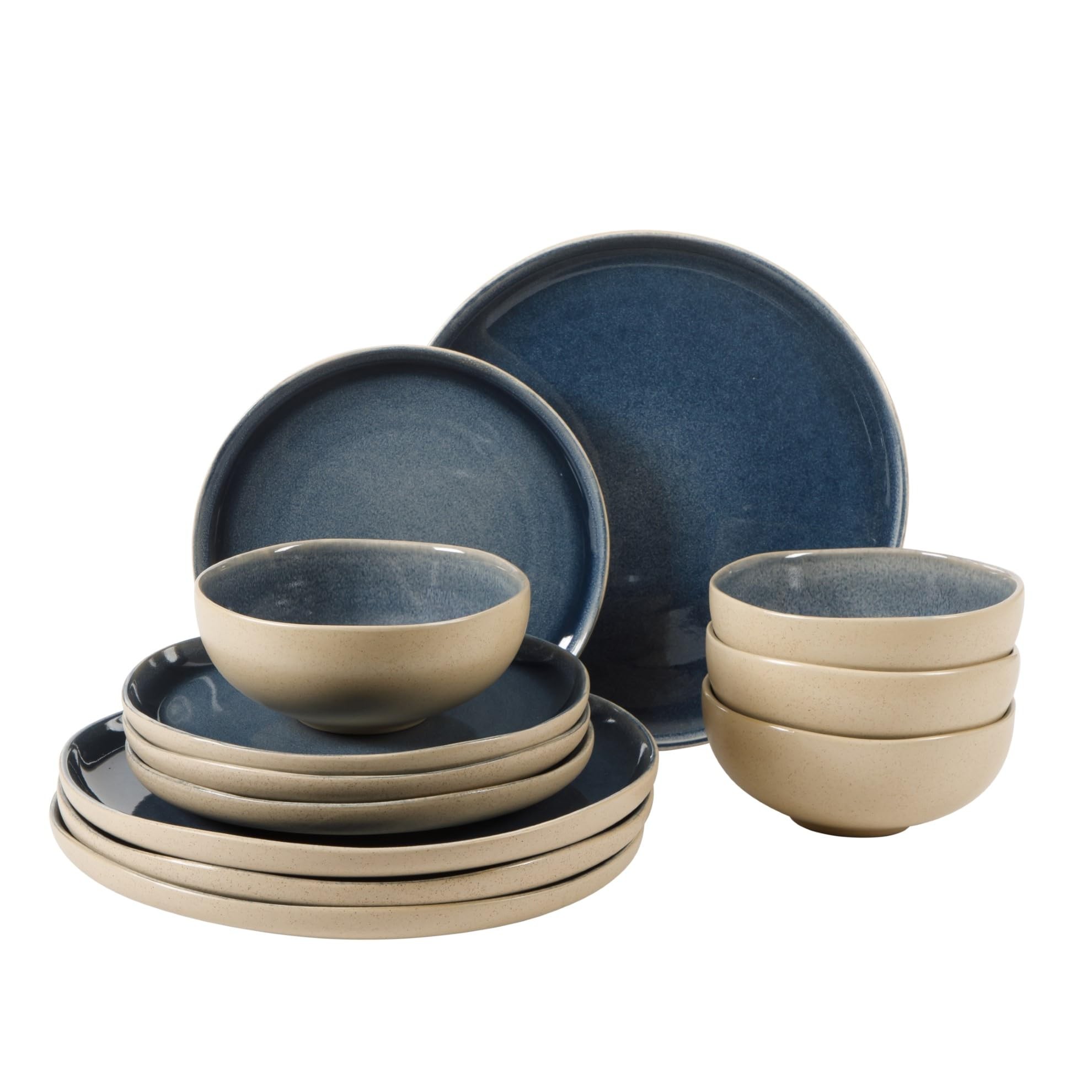
Gibson Elite Manila Bay 12-Piece Stoneware Dinnerware Set
Serves 4 in a 12-piece set , a practical starter set for couples moving to a formal table
Buy on Amazon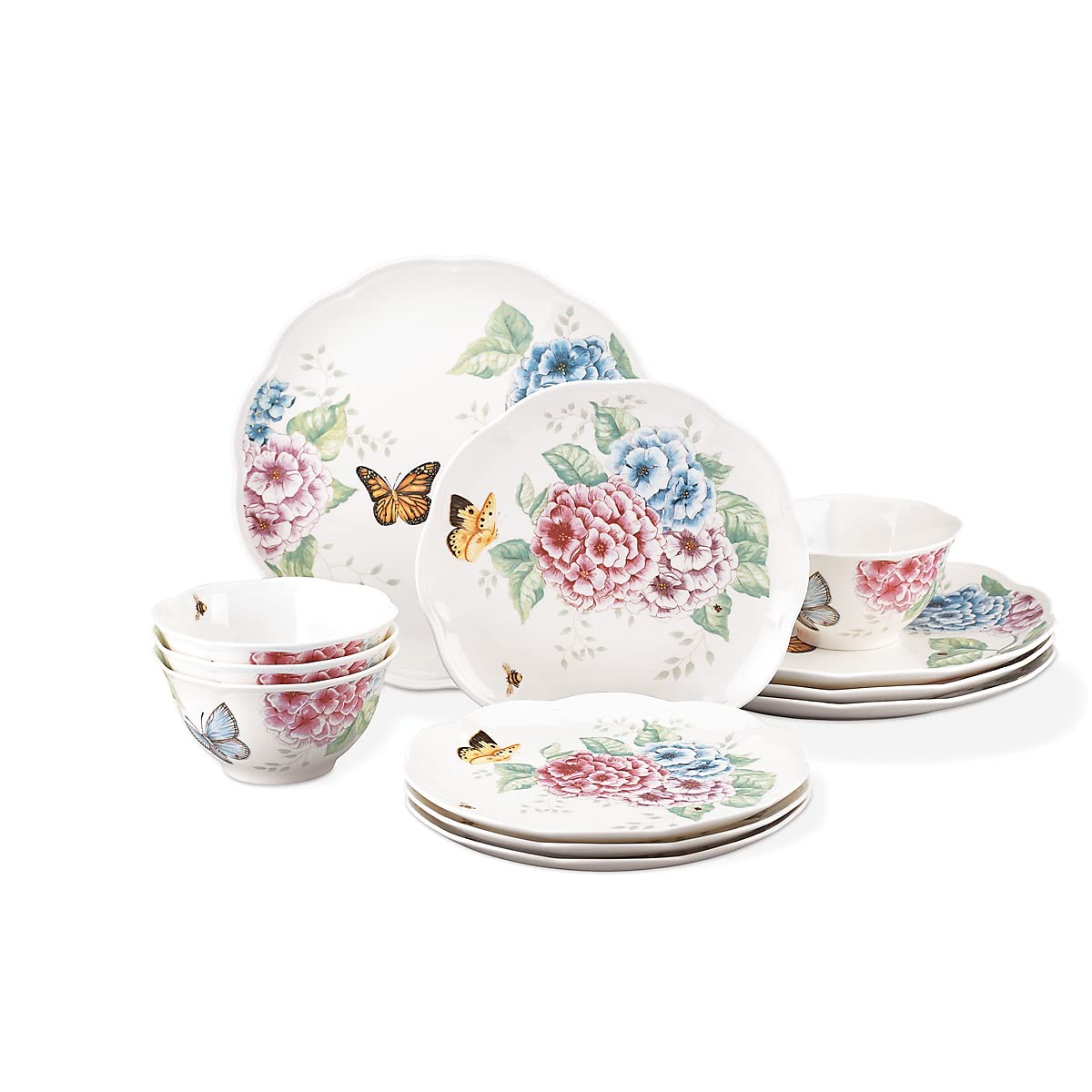
Lenox Butterfly Meadow Hydrangea 12-Piece Dinnerware Set
Cheerful butterfly and flower pattern that reads festive without being precious
Buy on Amazon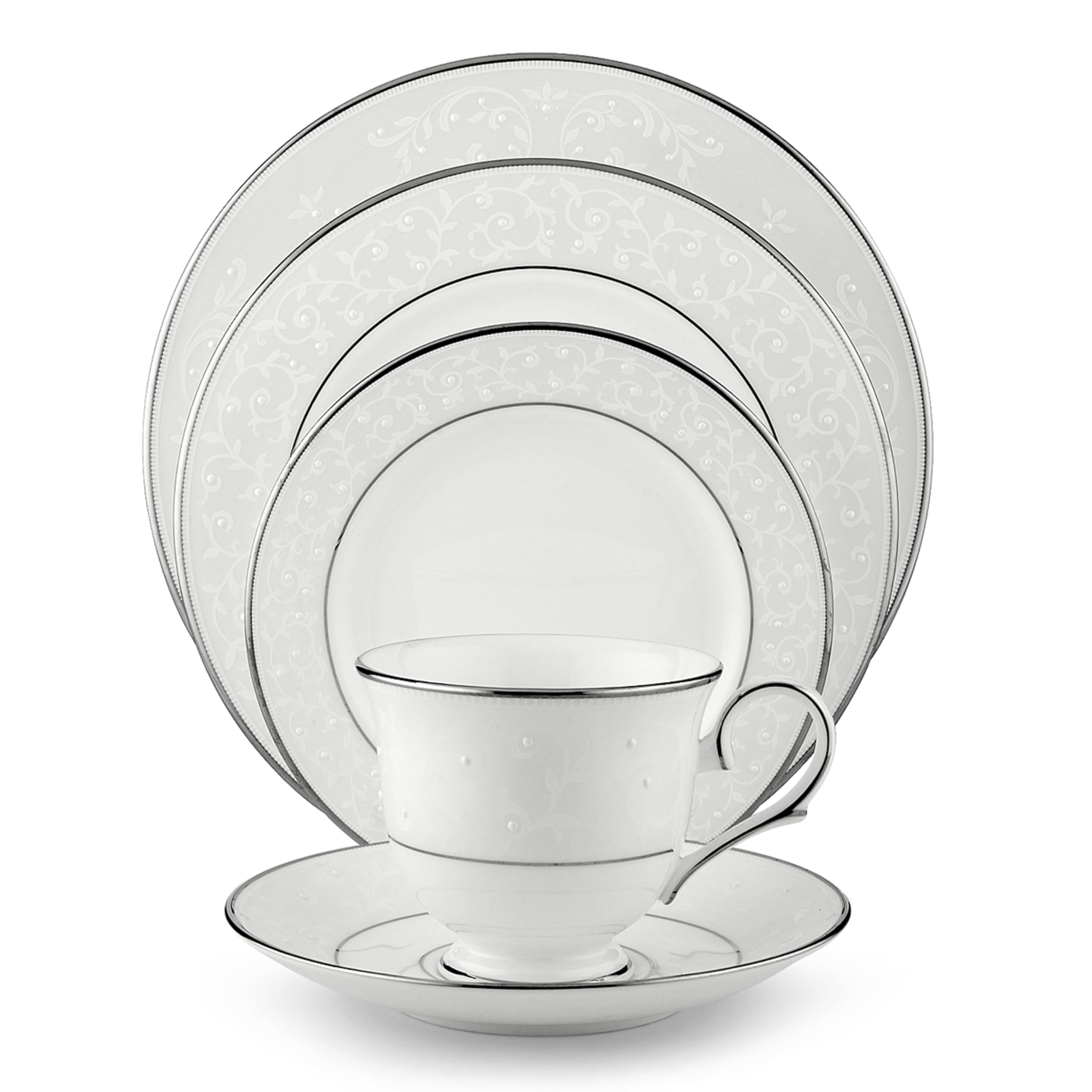
Lenox Opal Innocence Carved 20-Piece Dinnerware Set
Serves 4 in bone china with platinum band , the benchmark for American fine dining china at mid-premium price
Buy on Amazon| Product | Price Range | Top Strength | Key Weakness | Buy |
|---|---|---|---|---|
| Gibson Elite Manila Bay 12-Piece Stoneware Dinnerware Set best overall | $ | Serves 4 in a 12-piece set , a practical starter set for couples moving to a formal table | Coastal motifs are seasonal in feel , less flexible for year-round formal entertaining | Buy on Amazon |
| Lenox Butterfly Meadow Hydrangea 12-Piece Dinnerware Set also consider | $$ | Cheerful butterfly and flower pattern that reads festive without being precious | Pattern is distinctive enough that it limits what linens and table accessories pair naturally | Buy on Amazon |
| Lenox Opal Innocence Carved 20-Piece Dinnerware Set also consider | $$$ | Serves 4 in bone china with platinum band , the benchmark for American fine dining china at mid-premium price | Platinum band is hand-wash only , a consideration for households that rely heavily on the dishwasher | Buy on Amazon |
Finding dinnerware that looks beautiful and raises no questions about what’s in the glaze or clay body has become a real priority for a lot of households. If you’re shopping our Dinnerware & China hub, you already know there’s no shortage of options , the harder task is sorting the genuinely clean choices from the ones that trade on vague “natural” language without backing it up.
What separates a trustworthy non-toxic set from a questionable one comes down to materials and manufacturing standards. Porcelain, stoneware, and bone china each have different compositions, different durability profiles, and different considerations for lead and cadmium compliance. Understanding those differences before you land on a pattern you love will save you from a decision you second-guess every time you put dinner on the table.
What to Look For in Non-Toxic Dinnerware
Material Composition
Stoneware and porcelain are both fired at high temperatures, which is one reason they’re generally considered safe choices , the vitrification process fuses the clay body into a dense, non-porous material that doesn’t leach. Bone china adds calcined bone ash to the mix, which produces a thinner, more translucent piece with its own strength characteristics. None of these materials are inherently problematic, but the decorative treatments applied on top of them are where scrutiny matters.
Glazes and overglaze decorations , particularly painted patterns in bright colors or metallic finishes , historically contained lead and cadmium as stabilizers. Modern FDA-compliant manufacturers have moved away from both, but that compliance standard applies at point of manufacture, not necessarily through the supply chain at every tier. If you’re buying from an established American or European brand with published testing documentation, that’s a meaningful quality signal.
Lead and Cadmium Compliance
The FDA sets limits on lead and cadmium release for ceramicware sold in the United States, but those are release limits under acid-leach testing , not zero-content standards. A plate can meet FDA limits and still contain trace amounts of both. For buyers who want to go further, look for brands that cite third-party testing, California Proposition 65 compliance, or Prop 65 exemption documentation, which requires disclosure at much lower exposure thresholds than federal standards.
Metallic banding and rim treatments deserve specific attention. Platinum and gold bands are applied as overglaze decorations and can be sensitive to dishwasher detergents, acidic foods, and microwave use. The deterioration risk isn’t just aesthetic , once a metallic decoration begins to break down, the composition of what’s on the surface changes. Following care instructions for these pieces isn’t optional, it’s part of the safety calculus.
Durability and Daily Use
A set you reserve for company is different from one that goes through the dishwasher every night. Stoneware at the same price point as porcelain is typically more chip-resistant , the clay body is denser and the walls are thicker. Porcelain produces a finer, more refined look but trades some impact resistance to get there. Bone china sits in a different category: thinner than porcelain but surprisingly strong due to the vitrified bone ash content, though it’s still more vulnerable to impact damage than stoneware.
For households with children, high-volume entertaining, or limited cabinet space where plates get stacked without padding, stoneware’s durability advantage is real and worth prioritizing. For a formal table that sees measured use and careful storage, fine china’s aesthetic qualities justify its handling requirements.
Pattern and Longevity
Pattern is where emotion drives most purchasing decisions, which is exactly why it deserves its own consideration. A pattern you love today needs to survive the full range of occasions you’ll use it for , weeknight dinners, holiday tables, casual brunches with friends, and more formal settings where the tablecloth and flatware need to work with what’s on the plate.
Neutral, tonal, and classically bordered patterns tend to have the longest aesthetic shelf life and the most flexibility with linens and accessories. Highly specific motifs , coastal scenes, seasonal imagery, bold illustrative prints , work beautifully in the right context and can read as too specific in others. Before committing to a distinctive pattern, it’s worth browsing the full range of dinnerware options to pressure-test how your choice will look across different settings.
Top Picks
Gibson Elite Manila Bay 12-Piece Stoneware Dinnerware Set
For a couple setting up a first real table, the Gibson Elite Manila Bay 12-Piece Stoneware Dinnerware Set offers something that’s harder to find at budget pricing than it should be: actual stoneware construction. Most of what competes at this price point is earthenware, which is softer, more porous, and less durable. The Manila Bay set delivers a denser clay body that holds up better to stacking, daily dishwasher cycles, and the minor indignities of shared kitchen cabinets.
The coastal motif , seafoam tones, a relaxed organic feel , photographs well and sets a welcoming table for casual entertaining. Where it shows its limitations is range: this pattern reads summer and beach, which is exactly right for a certain kind of household and limiting for one that wants a single set to carry them through December holidays and formal dinner parties. If your table is primarily casual, that’s not a real objection. If you’re hoping for one set to do everything, it’s worth naming clearly.
Stoneware’s durability advantage over porcelain at comparable pricing is the most practical argument for this set. It chips less readily, the weight feels substantial without being burdensome, and the FDA-compliant glaze puts it on the right side of the non-toxic question without requiring you to do additional research.
,
Check current price on Amazon.
Lenox Butterfly Meadow Hydrangea 12-Piece Dinnerware Set
Some tables want color, pattern, and a sense that something festive is always happening , and the Lenox Butterfly Meadow Hydrangea 12-Piece Dinnerware Set is built for exactly that household. The butterfly and flower motif is cheerful without tipping into novelty territory, and Lenox’s porcelain construction brings better surface quality than you’d expect at a mid-range price.
Practically, this set checks meaningful boxes. Dishwasher and microwave safe. Full 12-piece service for four , dinner plates, salad plates, and soup bowls all in one purchase. For households that actually use a dinnerware set rather than preserve it, those specifications matter more than they might appear on a spec sheet.
The honest limitation is styling flexibility. The pattern is distinctive enough that it dictates the table around it , neutral linens are almost mandatory, and certain flatware finishes or glassware styles will look mismatched rather than layered. That’s not a flaw in the set itself; it’s the nature of a strong pattern. Buyers who embrace the motif and build a table around it will get a lot of pleasure from this set. Buyers hoping for a set that recedes into the background should look elsewhere.
,
Check current price on Amazon.
Lenox Opal Innocence Carved 20-Piece Dinnerware Set
The Lenox Opal Innocence Carved 20-Piece Dinnerware Set sits at a different tier entirely , this is bone china with a platinum band, and it carries the weight of that positioning in both feel and appearance. For buyers who are setting a formal table and want something that reads unambiguously as fine dining, Opal Innocence is the benchmark for American-made china at mid-premium pricing.
The translucency of the bone china body and the restraint of the platinum banding make this set work across a genuinely wide range of formal occasions. It expands cleanly too: the full Opal Innocence line includes charger plates, serving pieces, and mugs, so a starter set of 12 pieces can grow with the table over time. That expandability is a real advantage for buyers who entertain frequently and want their investment to compound rather than become a fixed, closed system.
The one firm requirement is care: platinum bands are hand-wash only. That’s not negotiable, and for households that rely heavily on the dishwasher, it’s a genuine logistical consideration. Bone china’s strength-to-weight ratio is impressive, but it’s still more vulnerable to impact than stoneware , careful storage with plate separators is the right approach. For the buyer who accepts those terms and wants the finest table she can set, this is the recommendation without reservation.
The Carved variant retains the bone china body and platinum-banded rim of the original Opal Innocence pattern, with scrollwork raised in relief rather than the enamel vine dot accent of the discontinued line.
,
Check current price on Amazon.
How to Choose
Match the Clay Body to How You Actually Entertain
The single most useful question to answer before choosing a dinnerware set is how often it will go through the dishwasher. If the honest answer is every night, stoneware’s denser clay body and chip-resistant profile make it the practical choice, regardless of how appealing fine china looks in photographs. If you’re building a formal table that comes out for company and gets hand-washed and carefully stored, the constraints of bone china and platinum-banded porcelain become manageable rather than burdensome. Matching the material to the actual use pattern prevents the frustration of a beautiful set that doesn’t survive real life.
Understand What “Non-Toxic” Actually Means
Non-toxic dinnerware is not a regulated label , any brand can use the language. What you’re actually evaluating is whether the glaze and overglaze decorations comply with FDA lead and cadmium release limits, and whether the manufacturer has gone further with third-party testing or Proposition 65 documentation. Sticking with established American and European brands in this category is a reasonable proxy for compliance, because their supply chains and quality control standards are more legible than those of import-only lines with no published testing data. Reading product listings for specific safety language rather than relying on “non-toxic” marketing copy is time well spent.
Pattern Is a Long-Term Commitment
A pattern that looks right on a single styled photograph needs to work every week of the year, across different tablecloths, different seasons, and different occasions. Highly specific patterns , coastal scenes, seasonal motifs, bold illustrative prints , often look wonderful in context and create friction in others. Neutral and classically bordered patterns carry more flexibility across a full range of entertaining situations. Before committing, pull up the pattern on your phone and mentally place it next to the linens and flatware you already own. If it works in that combination, it will likely work in others. The full breadth of options across the dinnerware and china category is worth surveying before you land on a final choice.
Think About Expandability From the Start
A 12-piece service for four is a practical starting point, but entertaining needs change. Some patterns and lines allow you to add charger plates, serving pieces, and additional place settings in the same design; others are closed sets with no matching expansion available. If you’re buying for a table you intend to grow, verify before purchase that the manufacturer still produces the pattern and that the full line is accessible. Buying into an expandable line is a more durable investment than a closed set, even if the per-piece cost is higher at entry.
Budget Bands and What They Signal
In dinnerware, price band correlates reliably with material quality rather than pattern preference. Budget sets are almost always earthenware or lower-grade stoneware; mid-range sets introduce true stoneware and porcelain; premium sets bring bone china, finer glazes, and more rigorous quality control. Within each band, pattern is largely a matter of taste. Across bands, you’re trading chip resistance, surface finish quality, and the overall weight and feel of the piece in your hand. Understanding which band matches your priorities before shopping by pattern makes the final decision considerably more straightforward.
Frequently Asked Questions
Is stoneware or bone china safer from a lead-and-cadmium perspective?
Both can be safe choices if manufactured by reputable brands with FDA-compliant glazes. The material itself , stoneware clay versus bone china clay , is not the primary variable. What matters is the glaze composition and any overglaze decorations, which is where lead and cadmium have historically appeared. For either material, look for brands that publish third-party testing documentation or cite Proposition 65 compliance, and follow care instructions to prevent glaze degradation over time.
Can I use the Lenox Opal Innocence set in the dishwasher?
The porcelain body of the Lenox Opal Innocence set is generally dishwasher safe, but the platinum band is not. Dishwasher detergents are abrasive enough to degrade metallic overglaze decorations over time, which affects both the appearance of the band and the integrity of what’s on the surface of the piece. For any china with metallic banding, hand-washing is the right approach if you want the set to remain in good condition and hold its appearance long-term.
What is the difference between the Gibson Manila Bay and the Lenox Butterfly Meadow sets in terms of durability?
The Gibson Elite Manila Bay is stoneware; the Lenox Butterfly Meadow Hydrangea is porcelain. Stoneware’s clay body is denser and thicker, which generally makes it more resistant to chipping from everyday use, stacking, and dishwasher cycles. Porcelain produces a finer surface finish and a lighter piece but is more vulnerable to impact. For a household that puts its everyday dishes through demanding daily use, the Gibson set’s stoneware construction is the more durable choice.
How many place settings do I need for a household that primarily entertains small groups?
A 12-piece service for four covers most small-group entertaining scenarios , dinner for two couples, a holiday meal for close family, a casual dinner party that stays intimate. If your typical gathering size is six to eight, a service for four leaves you short without supplemental pieces. Buying into an expandable line like Lenox Opal Innocence means you can add place settings as needs grow rather than replacing the whole set.
Does the pattern on a dinnerware set affect its non-toxic status?
Yes, indirectly. Plain or minimally decorated pieces with tonal glazes have fewer overglaze applications, which reduces the number of potential sources for lead and cadmium. Highly illustrated patterns with multiple colors and metallic accents involve more decorative layers, each of which represents a point of potential concern if the manufacturer’s quality standards are not high. That doesn’t mean patterned dinnerware is unsafe , it means that with more complex decoration, the manufacturer’s compliance documentation matters more, not less.
Frequently Asked Questions
Stoneware vs. bone china — which is safer from a lead and cadmium standpoint?
Both can be safe choices if manufactured by reputable brands with FDA-compliant glazes. The clay body itself — stoneware versus bone china — is not the primary variable. What matters is the glaze composition and any overglaze decorations, which is where lead and cadmium have historically appeared. For either material, look for brands that publish third-party testing documentation or cite Proposition 65 compliance, and follow care instructions to prevent glaze degradation.
Does a pattern on dinnerware affect whether it is non-toxic?
Yes, indirectly. Plain or minimally decorated pieces with tonal glazes have fewer overglaze applications, which reduces the number of potential sources for lead and cadmium. Highly illustrated patterns with multiple colors and metallic accents involve more decorative layers. That does not mean patterned dinnerware is unsafe — it means that with more complex decoration, the manufacturer's compliance documentation matters more, not less.
Gibson Manila Bay vs. Lenox Butterfly Meadow — which is more durable for daily use?
The Gibson Elite Manila Bay is stoneware; the Lenox Butterfly Meadow is porcelain. Stoneware's clay body is denser and thicker, which generally makes it more resistant to chipping from everyday use, stacking, and dishwasher cycles. Porcelain produces a finer surface finish but is more vulnerable to impact. For a household that puts its everyday dishes through demanding daily use, the Gibson set's stoneware construction is the more durable practical choice.
Can the Lenox Opal Innocence set go in the dishwasher?
The bone china body of the Lenox Opal Innocence is generally dishwasher-safe, but the platinum band is not. Dishwasher detergents are abrasive enough to degrade metallic overglaze decorations over time, affecting both the appearance of the band and the integrity of the surface. For any china with metallic banding, hand-washing is the right approach if you want the set to remain in good condition long-term.
How many place settings do I need if I primarily entertain small groups?
A 20-piece set serving four covers most small-group entertaining scenarios — dinner for two couples, a holiday meal for close family, a casual dinner party that stays intimate. If your typical gathering size is six to eight, a service for four leaves you short without supplemental pieces. Buying into an expandable line like Lenox Opal Innocence means you can add place settings as needs grow rather than replacing the whole set.
Where to Buy
Gibson Elite Manila Bay 12-Piece Stoneware Dinnerware SetSee Gibson Elite Manila Bay 12-Piece Ston… on Amazon