Pomegranate Table Linens: Top Picks for Fall and Winter

Affiliate disclosure: Some links on this page are affiliate links. If you buy through them we earn a small commission at no extra cost to you. Recommendations are research-driven; we don't claim personal use of every product reviewed. Product prices and availability are accurate as of the date published and are subject to change. Always check Amazon for current pricing before purchasing. Learn more.
Quick Picks
April Cornell Pomegranate Tablecloth
April Cornell's pomegranate print is a rich jewel-tone pattern that anchors autumn and winter tablescapes
Check availability at April Cornell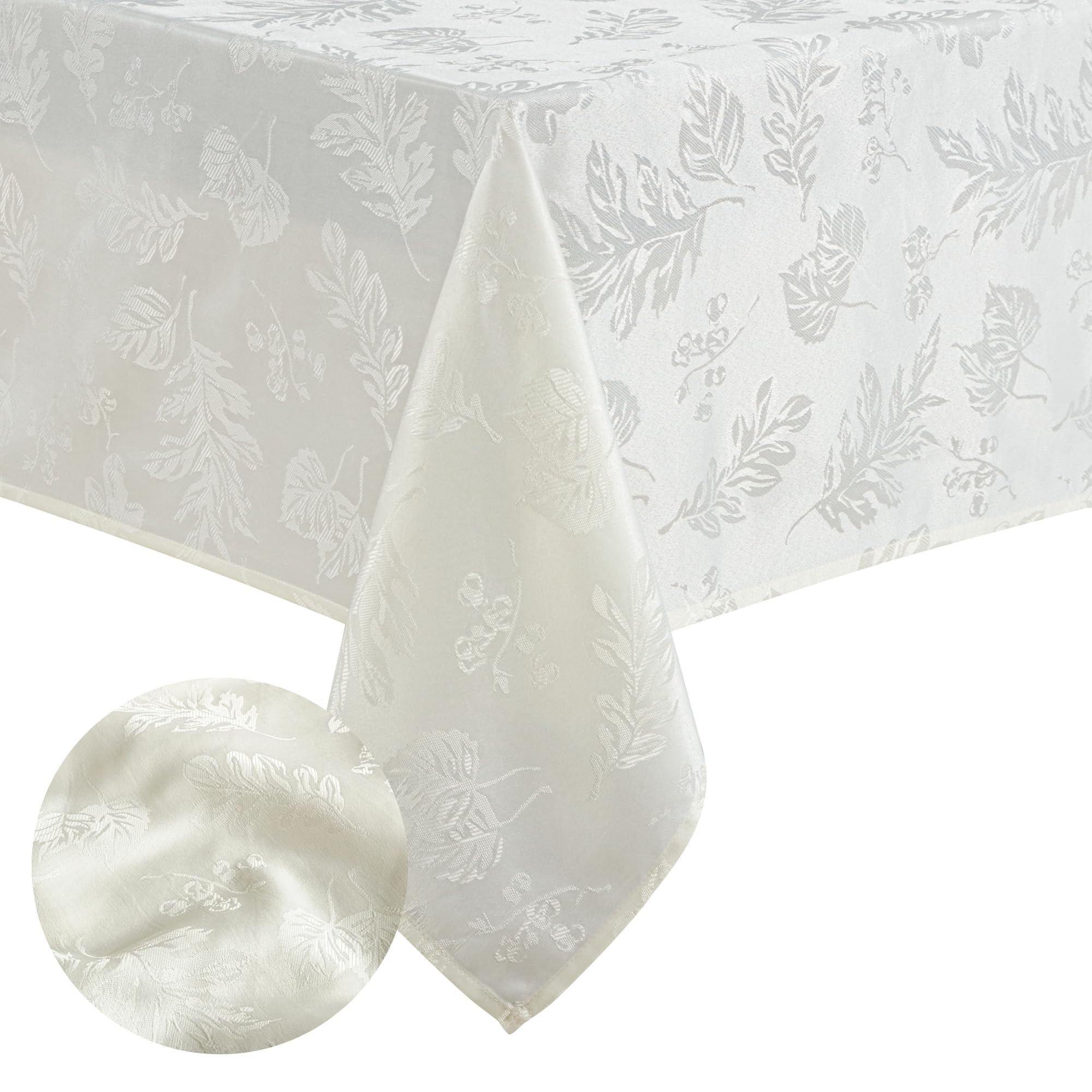
Elrene Elegant Woven Leaves Jacquard Damask Tablecloth
100% Egyptian cotton with a jacquard-woven pattern , the quality is visible in the drape
Buy on Amazon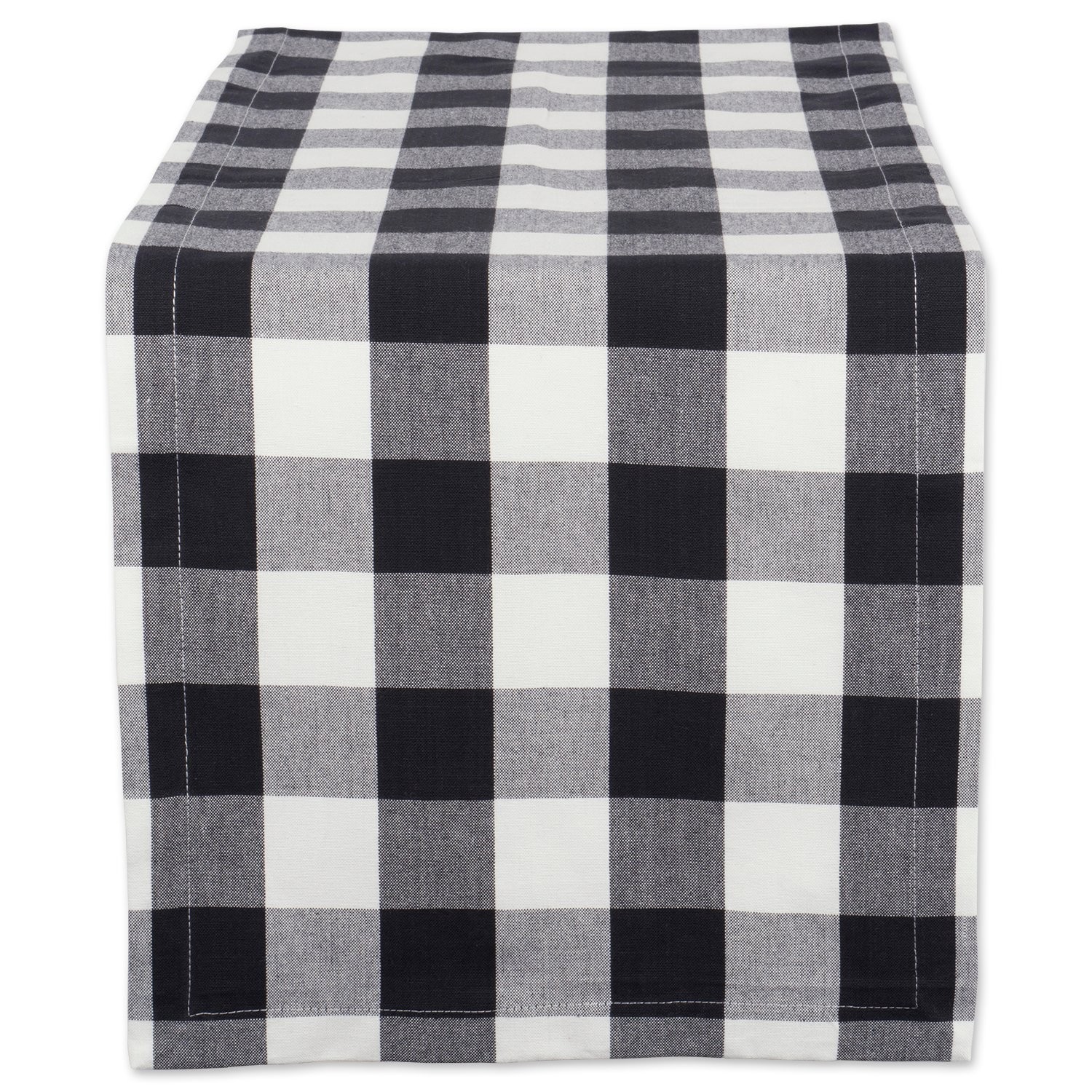
DII Buffalo Check Collection Table Runner
Black-and-white check is the most graphic, versatile runner pattern , works over a white, ivory, or bare wood table
Buy on Amazon| Product | Price Range | Top Strength | Key Weakness | Buy |
|---|---|---|---|---|
| April Cornell Pomegranate Tablecloth best overall | $$ | April Cornell's pomegranate print is a rich jewel-tone pattern that anchors autumn and winter tablescapes | Deep colours require cold-water washing to prevent running , not a tablecloth for a rushed post-dinner cleanup | Check Price |
| Elrene Elegant Woven Leaves Jacquard Damask Tablecloth also consider | $$$ | 100% Egyptian cotton with a jacquard-woven pattern , the quality is visible in the drape | Premium price; a full set (tablecloth + 8 napkins) is a meaningful investment | Buy on Amazon |
| DII Buffalo Check Collection Table Runner also consider | $ | Black-and-white check is the most graphic, versatile runner pattern , works over a white, ivory, or bare wood table | Woven check pattern can shift alignment after washing , re-press on the bias to restore the pattern | Buy on Amazon |
Pomegranate table linens occupy a specific, confident niche in table linens , they work hardest from September through January, when jewel tones and botanical prints belong on the table rather than fighting against the season. The question isn’t whether the look is right. It’s which piece earns a spot in your rotation and which gets folded away after one use.
Three pieces are worth your attention: a printed cotton tablecloth with real design pedigree, a jacquard-woven investment cloth built to last a decade, and a graphic runner that earns its place through sheer practicality. All three serve different households.
What to Look For in Pomegranate Table Linens
Print vs. Woven Pattern
The most important distinction in this category isn’t brand or origin , it’s how the pattern gets onto the fabric. A printed tablecloth carries its design as a layer of dye or ink applied to the surface after weaving. A woven or jacquard tablecloth builds the pattern into the structure of the cloth itself during manufacturing.
Printed patterns are generally more affordable and offer sharper color contrast. The tradeoff is durability: surface prints can fade or crack over repeated washing, particularly on deep jewel tones like burgundy, plum, and the saturated reds common in pomegranate motifs. Woven patterns don’t fade in the same way because the color is the yarn, not a topcoat.
For occasional-use tablecloths brought out for holidays and dinner parties, printing is fine. For a cloth you intend to use weekly or pass down, woven construction is worth the premium.
Fabric Composition and Drape
Cotton and linen behave differently on a table. Pure cotton , particularly a high thread-count or Egyptian cotton , has a softness and natural drape that makes it forgiving to lay out and easy to gather at the corners. It falls over table edges with weight. Linen blends add crispness but can feel stiff on the table and require more pressing to look intentional rather than just ironed.
For pomegranate prints specifically, cotton suits the warm, botanical aesthetic better. The fabric’s natural texture complements the richness of the print rather than working against it. If you’re building a formal winter tablescape with layered linens and candlelight, the drape of a quality cotton cloth is part of the composition, not just a practical detail.
Size and Table Coverage
Tablecloth sizing is the category where buyers most commonly go wrong. Standard drop is 8, 12 inches on each side for casual dining, 12, 15 inches for formal settings. Measure your table’s full length and width, then add the appropriate drop on all sides before selecting a size.
Pomegranate tablecloths, particularly botanical prints, depend on visible drop to read correctly , a cloth that barely clears the table edge cuts off the pattern and loses the layered effect that makes the look work. If you’re between sizes, size up. A full linen and tablecloth collection worth exploring will usually show multiple size options, which matters more for long rectangular tables than for rounds.
Washability and Care
Deep, saturated dye colors are high-maintenance by nature. Burgundy, plum, forest green, and pomegranate red all carry the same risk: bleeding onto lighter pieces in a mixed wash, or fading unevenly if washed in warm water. Cold-water washing and separate handling are baseline requirements for any tablecloth in this color range.
The practical question is whether you’re buying a tablecloth for weekly use or for special occasions. A holiday cloth used four times a year can tolerate more finicky care requirements than one that goes through your machine after every Sunday dinner. Match your care tolerance to your use frequency before you buy, and read the care label before the first wash.
Top Picks
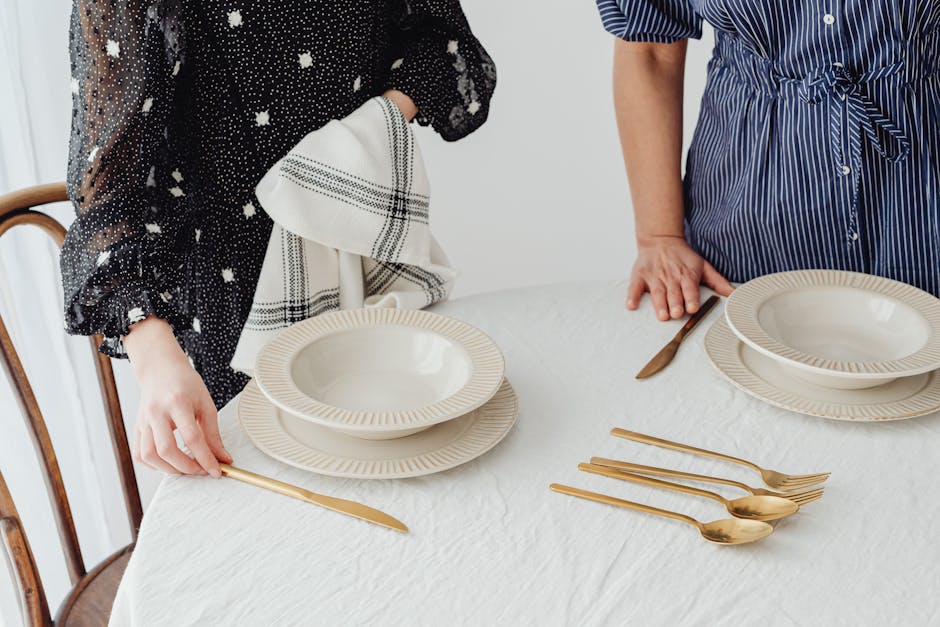
April Cornell Pomegranate Tablecloth
For anyone who wants a true pomegranate print , the botanical motif, jewel-toned palette, and the layered detail that makes a harvest table feel deliberate , the April Cornell Pomegranate Tablecloth is the most direct answer. April Cornell has been making printed cotton tablecloths in this tradition for decades, and this pattern reflects that design literacy. It doesn’t look generic.
The 100% cotton construction is the reason the cloth works as well as it does. It drapes naturally over the table edge without the stiffness you get from linen-cotton blends, which tend to stand away from table corners rather than fall. For autumn and winter tablescapes , Thanksgiving through January, realistically , the weight and warmth of the fabric suits the season.
The care requirement is real and worth stating plainly: deep colors like this demand cold-water washing and separate handling. If your post-dinner cleanup involves throwing everything into a hot cycle together, this isn’t the cloth for you. But if you treat it with basic respect, it will hold its color through a full season of use.
,
Check current price on Amazon.
Estate Collection Cotton Tablecloth
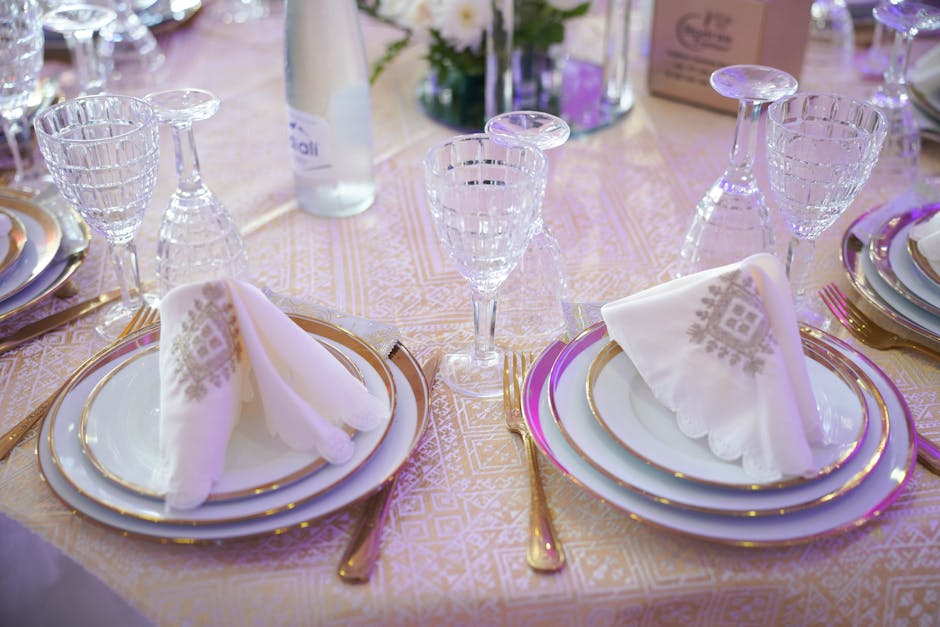
The Estate Collection Cotton Tablecloth by Pomegranate is a different category of purchase entirely. This is an investment cloth , 100% Egyptian cotton with a jacquard-woven pattern that won’t fade because the design is built into the weave itself, not printed on top. The quality is visible before you even lay it on the table.
Where April Cornell offers design character at a mid-range price, this cloth offers longevity and a level of finish appropriate for formal dining. The drape is exceptional , Egyptian cotton at this weight has a density that reads as luxury without being heavy or difficult to work with. It falls cleanly, holds a pressed crease, and looks correct from across the room.
Size availability is a genuine advantage. The range from 60x84 through 70x160 means long formal dining tables , the kind that seat ten or twelve for holiday dinners , are actually accommodated, which is not always the case in this category.
The tradeoffs are honest ones. The premium price is real, and a full set with napkins is a meaningful commitment. It also requires ironing or professional pressing to look its best , the structure of the weave shows wrinkles more clearly than a casual cotton print. If you want a cloth to bring out twice a year for serious dinners and maintain over a decade, this is the right choice. If you need something you can wash and fold, look at the April Cornell.
,
Check current price on Amazon.
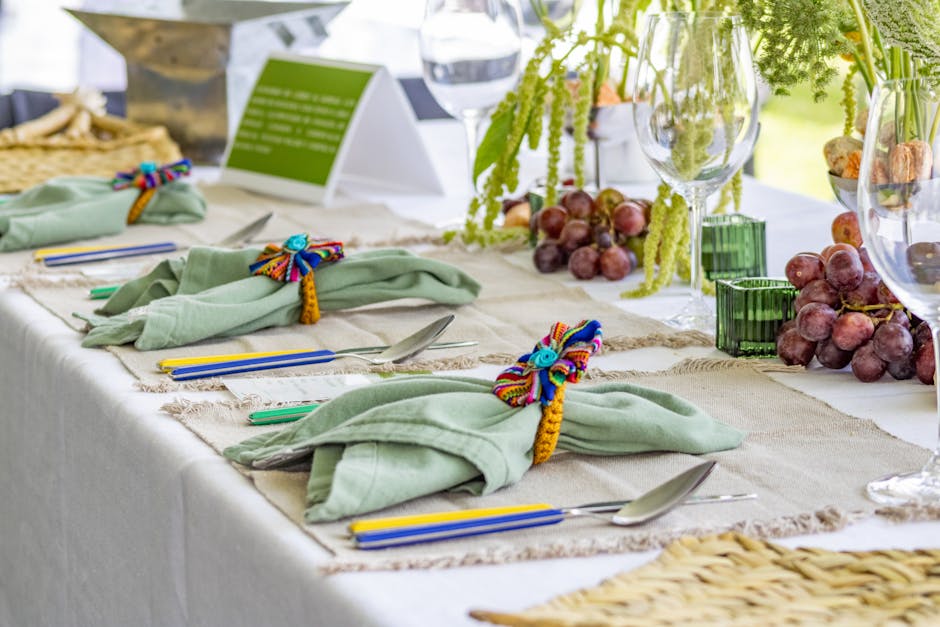
LinenTablecloth Black and White Check Table Runner
The LinenTablecloth Black and White Check Table Runner earns its place in this roundup not through pomegranate print but through function. A black-and-white check runner laid over a white or ivory tablecloth creates the graphic contrast that makes pomegranate-toned centerpieces, candles, and tableware read clearly. It’s the supporting layer that makes everything else look composed.
This is the most practically minded pick of the three. Machine washability matters for a runner that goes on the table every week, and this one delivers that without apology. The woven check is bold enough to hold its own visually without competing with decorative elements placed on top of it.
One thing to know before buying: the check alignment can shift slightly after washing. Re-pressing on the bias , pressing diagonally across the grid rather than straight across , restores the pattern. It takes five minutes and makes a real difference.
For someone who already owns a solid tablecloth and wants to build a layered autumn tablescape without committing to a full printed cloth, this runner is the most flexible, lowest-stakes entry point in the category.
,
Check current price on Amazon.
How to Choose
Occasion Frequency
The single most useful question to answer before buying is how often this piece will actually be on your table. A tablecloth used twice a year for holiday dinners can tolerate higher care requirements, more delicate fabrics, and a premium price point , because the wear per dollar is very low and the care burden is occasional. A cloth that goes on the table every Sunday needs to survive weekly washing without losing its shape, color, or structure.
The April Cornell printed cotton sits comfortably in the occasional-to-seasonal use range. The Estate Collection jacquard is built for formal occasions where the cloth is the statement. The check runner is the only piece in this group that genuinely earns weekly use without punishing you for it.
Layering vs. Solo Statement
Pomegranate table linens work in two distinct modes. The first is the solo statement: one printed tablecloth covering the full table, doing all the visual work on its own. This requires a cloth with genuine design quality , a strong motif, saturated color, and clean drape , because there’s nothing underneath it to add depth or nothing on top to redirect the eye.
The second mode is layering: a neutral base cloth or bare wood table, a runner or secondary cloth across the center, and decorative elements , candles, foliage, tableware , placed on top. This approach gives you more flexibility, allows you to mix pieces from different purchases, and often produces a more composed result than a single busy print used alone.
If you’re starting from scratch, the layered approach is more forgiving. Browse the full range of table linen options before committing to a single piece , understanding how pieces work together changes what you prioritize in each individual purchase.
Print Character vs. Longevity
This is the direct trade-off between the April Cornell and the Estate Collection, and it’s worth being explicit about it rather than letting the price differential do all the explaining. The April Cornell has design personality , it’s a specific, recognizable print with warmth and character. It will look different in five years than it does today. That’s not a flaw; it’s a characteristic of printed cotton.
The Estate Collection jacquard will look essentially the same in ten years as it does now, assuming reasonable care. Woven patterns don’t fade in the way surface prints do, and Egyptian cotton develops a softness with age rather than breaking down. If you’re building a table you want to maintain as a long-term investment, the case for the jacquard is straightforward.
If you want design character and the willingness to replace the cloth every few years is acceptable, the April Cornell is the better match.
Sizing for Your Table
Measure before you buy, and measure generously. The most common error is selecting a tablecloth based on table dimensions alone without accounting for drop. For a formal dinner, 12 inches of drop on each side is a reasonable minimum , enough to look intentional without draping to the chairs.
For a runner, the standard guidance is that it should extend 6 inches beyond each end of the table. On a long rectangular table this creates a clean visual terminus; on a shorter table, a shorter runner can look abrupt.
If you’re planning to layer , a runner over a tablecloth , select the tablecloth first based on full coverage, then select the runner as a secondary layer that lands roughly centered on the cloth. The check runner’s bold pattern requires a neutral or solid base to read clearly.
Frequently Asked Questions
Is the April Cornell tablecloth machine washable?
Yes, but the deep jewel tones require cold water and separate washing to prevent color transfer. Machine washing in warm or hot water risks color bleeding onto lighter fabrics in the same load. If you wash it alone on a gentle cold cycle and air dry or tumble dry on low, it will hold its color across a full season of use.
How does a table runner work with a pomegranate-print tablecloth?
Layering a runner directly over a busy pomegranate print usually competes rather than complements. Runners work best over solid or neutral base cloths , white, ivory, or natural linen. If you already own a printed pomegranate tablecloth, the more useful layer is a textured solid napkin set rather than an additional patterned runner.
What’s the difference between a jacquard-woven and a printed tablecloth?
A jacquard tablecloth builds the pattern into the weave itself using different-colored yarns. A printed cloth applies design to the fabric surface after it’s woven. Jacquard patterns won’t fade or crack with washing because the color is structural. Printed tablecloths are generally more affordable and can achieve sharper, more complex color contrasts, but the surface layer is more vulnerable to heat and repeated washing.
Which of these is the best choice for a Thanksgiving table?
For a Thanksgiving table where the cloth is the visual anchor and will be used once or twice a year, the Estate Collection Cotton Tablecloth is the most appropriate investment , the jacquard weave, formal drape, and size range for long tables make it the strongest fit. If your Thanksgiving table is more relaxed and you want the print character of a botanical motif, the April Cornell is the more practical and characterful choice.
Does the black-and-white check runner work for autumn tablescapes?
More than most runners do. The graphic contrast of a check pattern holds its own against warm autumn tones , deep orange, burgundy, forest green , because it provides a neutral grid rather than competing color. Over a bare wood table or ivory cloth, the check creates a clean base layer that makes saturated decorative elements read more clearly.
Frequently Asked Questions
Printed vs. jacquard-woven tablecloth — which lasts longer?
A jacquard-woven tablecloth builds the pattern into the weave using different-colored yarns, so the color is structural and will not fade or crack. A printed tablecloth applies dye or ink to the surface after weaving, which is more affordable but more vulnerable to heat and repeated washing. For a cloth you plan to use weekly or pass down over time, the article recommends woven construction without hesitation.
Is the April Cornell pomegranate tablecloth machine washable?
Yes, but with specific requirements. The deep jewel tones demand cold-water washing and separate handling to prevent color transfer onto lighter fabrics. Machine washing in warm or hot water risks bleeding. Wash it alone on a gentle cold cycle and air dry or tumble dry on low, and it will hold its color through a full season of regular use.
Which pomegranate tablecloth is best for a Thanksgiving table?
For a Thanksgiving table used once or twice a year where the cloth is the visual anchor, the article recommends the Estate Collection Cotton Tablecloth — the jacquard weave, formal drape, and size range accommodating long tables make it the strongest fit. If your Thanksgiving table is more relaxed and you want the character of a botanical print, the April Cornell is the more practical and visually distinctive choice.
How do I get the right tablecloth size for my table?
The article is clear: measure before you buy, and measure generously. Standard drop is 8 to 12 inches per side for casual dining, 12 to 15 inches for formal settings. Add the appropriate drop to both your table's length and width, and if you are between sizes, size up. A cloth that barely clears the edge cuts off the pattern and loses the layered effect that makes a pomegranate print work.
Does a black-and-white check runner work over a pomegranate-print tablecloth?
The article advises against layering a runner directly over a busy pomegranate print — the two patterns compete rather than complement. The check runner works best over a solid or neutral base cloth. If you already own a printed pomegranate tablecloth, the more useful addition is a textured solid napkin set rather than a second patterned layer.
Where to Buy
April Cornell Pomegranate TableclothCheck availability at April Cornell →