Schott Zwiesel Red Wine Glasses Reviewed: Top Picks

Affiliate disclosure: Some links on this page are affiliate links. If you buy through them we earn a small commission at no extra cost to you. Recommendations are research-driven; we don't claim personal use of every product reviewed. Product prices and availability are accurate as of the date published and are subject to change. Always check Amazon for current pricing before purchasing. Learn more.
Quick Picks
Schott Zwiesel Convention Red Wine Glasses (Set of 6)
Tritan crystal formula is genuinely dishwasher-durable , tested for 10,000 cycles
Check availability at Schott Zwiesel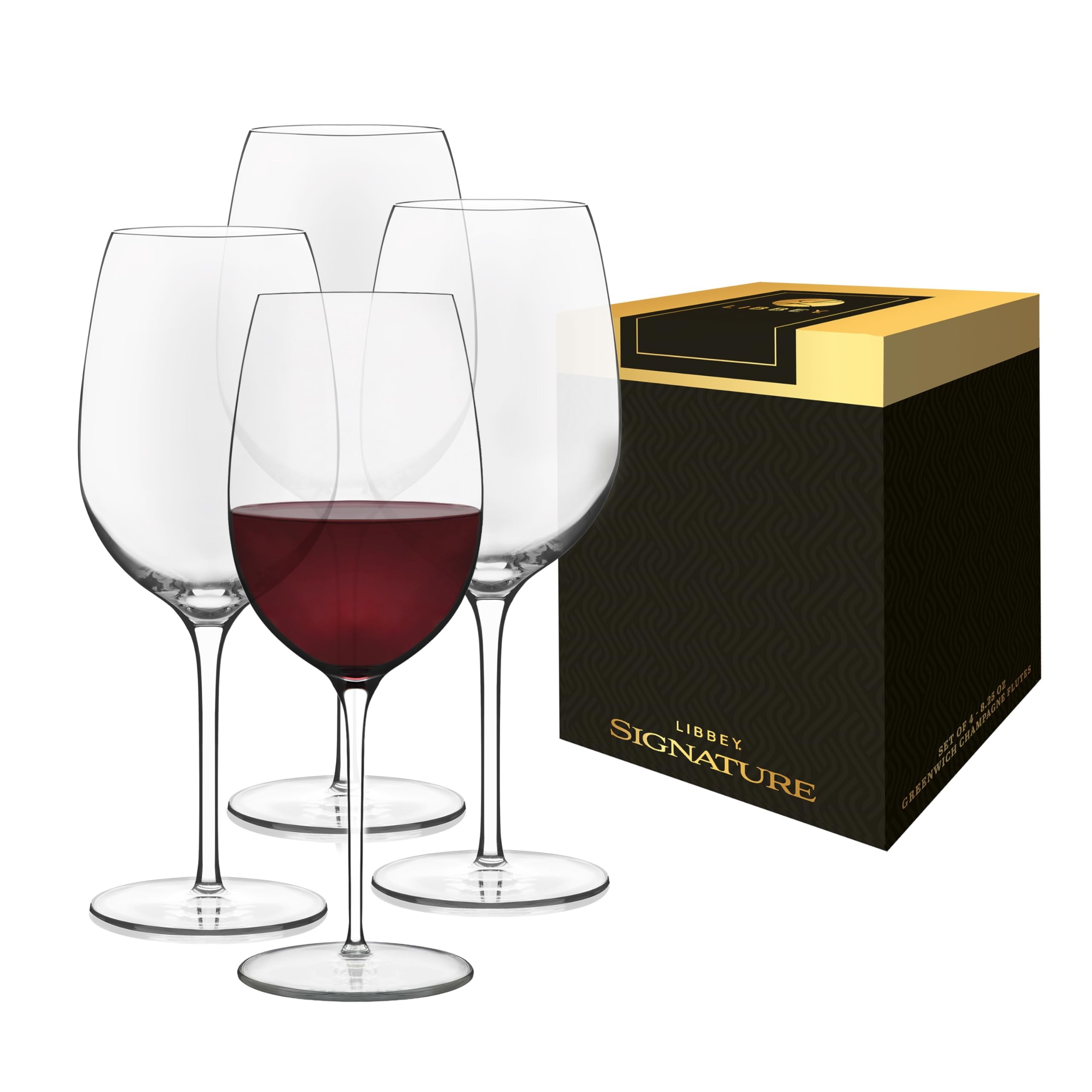
Libbey Signature Kentfield Red Wine Glasses (Set of 4)
Full set of 4 at under $25 , the math works for large-party entertaining
Buy on Amazon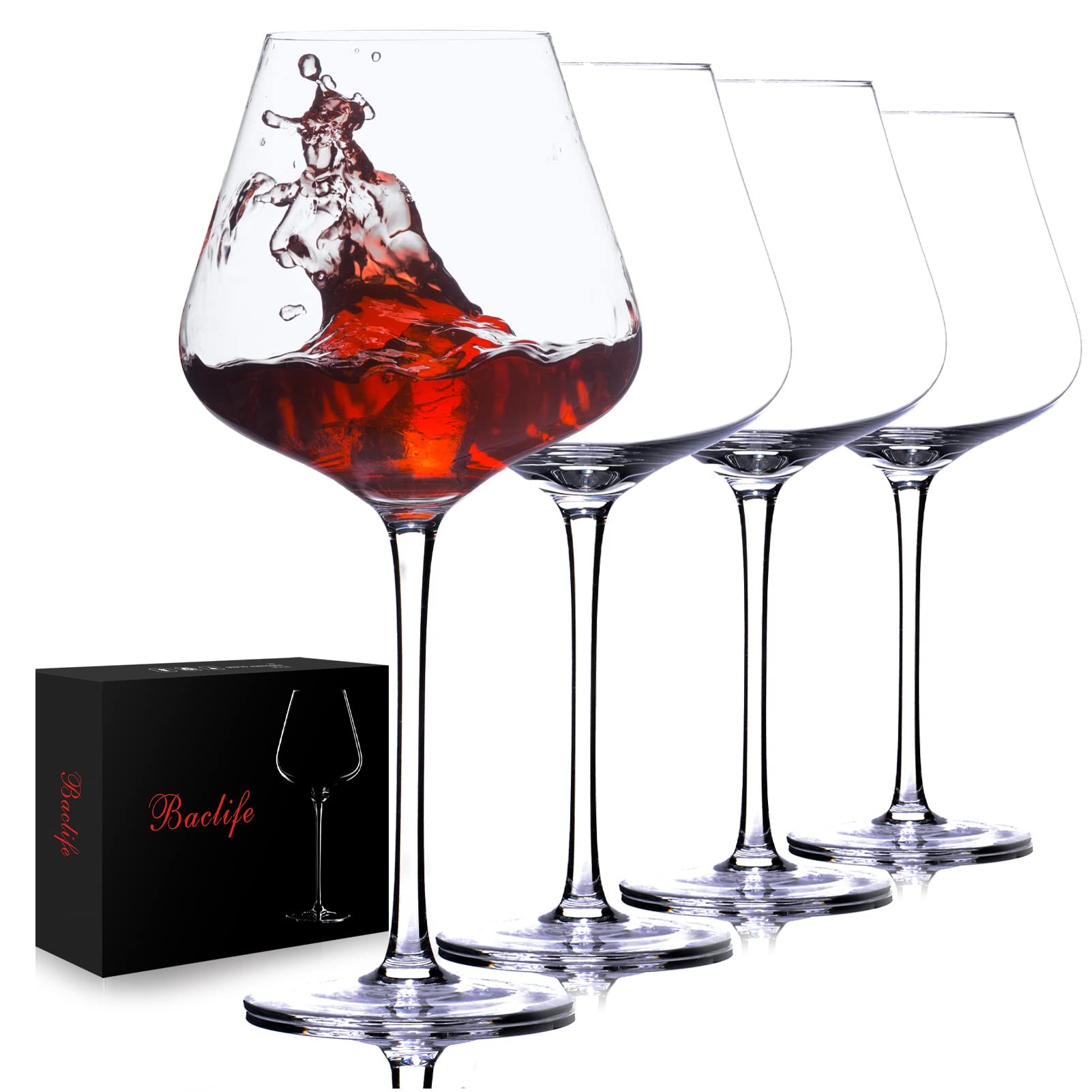
BACLIFE Hand Blown Red Wine Glasses Set of 4
Hand-blown crystal , each glass has a subtle organic irregularity that distinguishes it from machine production
Buy on Amazon| Product | Price Range | Top Strength | Key Weakness | Buy |
|---|---|---|---|---|
| Schott Zwiesel Convention Red Wine Glasses (Set of 6) best overall | $$ | Tritan crystal formula is genuinely dishwasher-durable , tested for 10,000 cycles | Tritan crystal has a slightly cooler visual tone than lead crystal , some collectors notice | Check Price |
| Libbey Signature Kentfield Red Wine Glasses (Set of 4) also consider | $ | Full set of 4 at under $25 , the math works for large-party entertaining | Pressed glass construction lacks the clarity and weight of crystal | Buy on Amazon |
| BACLIFE Hand Blown Red Wine Glasses Set of 4 also consider | $$$ | Hand-blown crystal , each glass has a subtle organic irregularity that distinguishes it from machine production | Hand-blown glass requires hand-washing , premium care for a premium piece | Buy on Amazon |
Good wine glasses are one of those purchases that look simple until you actually start comparing them. Bowl shape, crystal type, stem weight, dishwasher compatibility , the variables add up quickly, and most buying advice either oversimplifies or drowns you in varietal-specific jargon that doesn’t help the average host make a decision.
Schott Zwiesel is the name that comes up most reliably in this category, and for good reason , but it’s not the only answer, and it’s not always the right one. I’ve pulled together three red wine glasses across different price bands and use cases, drawn from the broader world of Glassware & Crystal, to give you a real recommendation rather than a list.
What to Look For in Red Wine Glasses
Crystal vs. Glass
The difference between crystal and standard glass is not just marketing. Crystal , whether traditional lead crystal or the newer lead-free Tritan formulations , is harder, thinner, and refracts light differently than ordinary pressed or blown glass. That translates to a cleaner rim, better clarity, and a finer overall feel in the hand. For red wine specifically, where you’re swirling and aerating, the bowl walls matter , thinner glass gets out of the way of the wine and lets you focus on what’s in it.
Lead-free Tritan crystal, which Schott Zwiesel pioneered, addresses the durability problem that made traditional crystal feel impractical for everyday use. The material is genuinely more resistant to breakage and clouding in the dishwasher. If you’ve avoided crystal because you didn’t want to handwash everything, that argument no longer holds the way it once did.
That said, some collectors and enthusiasts notice that Tritan has a slightly cooler optical tone than traditional lead crystal. It’s subtle , most guests at a dinner table won’t register it , but it’s worth knowing if visual warmth matters to you.
Bowl Shape and Volume
Red wine glasses are larger than white wine glasses by design. The wider bowl gives red wines , particularly fuller-bodied ones like Cabernet Sauvignon or Syrah , room to breathe. As the wine contacts more air, tannins soften and aromatic compounds open up. A glass that’s too small compresses the wine and blunts those effects.
For most home entertaining, a versatile all-purpose red wine bowl is more practical than varietal-specific shapes. Burgundy glasses, for instance, have a dramatically wide bowl optimized for Pinot Noir, but they’re awkward to store, harder to clean, and unnecessary unless Pinot is genuinely your focus. A classic tulip or conventional bowl with a good taper at the rim concentrates aromas without requiring you to build a collection of specialized shapes.
Stem Design and Balance
A well-designed stem serves two purposes: it keeps your hand from warming the wine, and it makes the glass easier to swirl. Pulled stems , drawn from the same piece of glass as the bowl , tend to be lighter and more elegant than molded stems, which are formed separately and fused. The difference is tactile and visible. Pulled stems have a slight organic quality; molded stems are uniform but can feel heavier.
Balance matters more than most buyers expect. A glass that’s top-heavy feels precarious on a set table and is harder to swirl without sloshing. Before committing to a set, it’s worth reading reviews specifically for stability , or, if you’re buying in person, setting the glass down on a flat surface and noting whether it sits confidently.
Durability and Real-World Use
Premium glassware often comes with an implied set of behaviors: handwash only, store carefully, replace individually when one breaks. For some buyers, that’s fine. For others , households with dishwashers, young children, or frequent entertaining , those requirements are dealbreakers.
The honest answer is that dishwasher safety exists on a spectrum. “Dishwasher safe” on a budget glass usually means it won’t shatter in the cycle. On Tritan crystal, it means the glass has been tested to survive thousands of cycles without clouding or structural degradation. Knowing which category your glass falls into changes how you think about the investment. Exploring the full range of red wine glass options in Glassware & Crystal before settling on a set is worth the time, particularly if durability is a primary concern.
Top Picks
Convention Red Wine Glasses (Set of 6)
The durability argument for crystal starts and ends here. Schott Zwiesel’s Convention Red Wine Glasses (Set of 6) are built on the Tritan crystal formula the brand developed , and the 10,000-dishwasher-cycle testing claim isn’t marketing language, it’s a material specification. If you’ve been avoiding crystal because you run everything through the dishwasher, this is the glass that removes that objection entirely.
The pulled stem gives the Convention a lighter, more refined profile than most glasses at this tier. Holding one, it doesn’t feel like a compromise between elegance and practicality , it feels like both at once. The conventional bowl shape is deliberately neutral: wide enough to allow proper aeration for most red varietals, tapered enough to concentrate aromas without being varietal-specific.
Where Schott Zwiesel makes a concession is in visual tone. Tritan crystal reads slightly cooler than traditional lead crystal , the kind of difference a collector notices, not the kind a dinner guest does. And selling the Convention in sets of six rather than the pairs that dominate this quality tier is a meaningful practical advantage for anyone setting a full table.

,
Check current price on Amazon.
Signature Kentfield Red Wine Glasses (Set of 4)
For readers who need to seat twelve people and aren’t prepared to spend the equivalent of a grocery run per glass, the Libbey Signature Kentfield Red Wine Glasses (Set of 4) are the honest answer. This is pressed glass, not crystal , the clarity and weight aren’t in the same league as the Schott Zwiesel , but the bowl has a genuine taper and a generous volume that puts it clearly above the kind of squat, thick-rimmed glass you’d find at a discount kitchen store.
What makes this a defensible pick rather than a consolation prize is the math. Buying multiple sets to cover a large party table works at this price point in a way it simply doesn’t with mid-range or premium options. The stem is slightly thick , it doesn’t disappear in the hand the way a pulled crystal stem does , but the glass sits stably and survives the dishwasher without complaint.
I’d be dishonest if I said the Kentfield delivers a crystal experience. It doesn’t. But for a host whose priority is having enough good-looking glasses on the table without stress, it does the job without apology.
,
Check current price on Amazon.
BACLIFE Hand Blown Red Wine Glasses Set of 4
Each BACLIFE Hand Blown Red Wine Glass carries a subtle organic irregularity that machine production can’t replicate , a slight variation in the bowl wall, a gentle asymmetry in the stem. On a set table, that quality reads as handcraft rather than imperfection. It’s the kind of detail that distinguishes a thoughtfully assembled table from a catalog one.
The thick base and generous bowl ground these confidently on a formal table setting. For entertaining where the table itself is part of the experience , holiday dinners, small intimate gatherings where the details matter , they earn their place.
The trade-off is care. Hand-blown glass requires hand-washing, full stop. That’s a real commitment, and it’s the reason I’d steer buyers toward the Schott Zwiesel if dishwasher compatibility is non-negotiable. These are for the host who treats their glassware as part of the table’s identity, not just a vessel for wine.

,
Check current price on Amazon.
How to Choose
How Often Do You Entertain , and at What Scale?
The first question isn’t about quality , it’s about volume. A host who sets a table for six a few times a year has a completely different calculus than one who regularly seats twelve or more. Mid-range and premium glasses typically sell in sets of two or four, which means assembling a full large table requires buying multiple sets. At the budget tier, the per-unit cost makes scaling practical. Knowing your typical guest count before choosing a glass will clarify which price band actually makes sense for your situation.
Frequency of use also matters. A glass that requires handwashing is a reasonable ask if you’re using it four times a year. Asked to handwash it after every dinner party in a busy household, that same requirement becomes friction. Be honest about how often you’ll actually follow through.
Dishwasher Compatibility , the Real Story
Dishwasher-safe language on glassware packaging covers a wide range of actual performance. Standard glass marked dishwasher safe will generally survive the cycle, but over time , particularly with hard water and high heat , clarity degrades, and the rim can develop micro-chips that don’t show until the glass catches light at an angle. That matters more for crystal, where the visual quality is the point.
Tritan crystal’s dishwasher durability is meaningfully different: it’s been tested against clouding and structural fatigue at a level that standard glass hasn’t. If the plan is to run your glasses through the dishwasher regularly, that distinction is worth building into the decision. For a deeper look at how different glass materials hold up over time, the full Glassware & Crystal category covers materials across the full spectrum.
Crystal vs. Glass , Matching the Glass to the Occasion
There’s no objective rule that says a dinner table requires crystal. What crystal offers is a specific sensory quality , thinner walls, better light refraction, a finer rim , that enhances the experience of drinking wine. Whether that enhancement is worth the price difference and the care requirements is a personal judgment.
For everyday use and casual entertaining, good pressed glass delivers a clean, presentable experience without requiring any particular care. For formal entertaining where the table is a deliberate composition , where the glassware is part of what the evening communicates , crystal earns its place. The Schott Zwiesel sits in the middle: crystal quality with practical durability. The BACLIFE hand-blown set sits firmly in the occasion-specific tier.
Stem Weight and Handling
A glass that feels precarious is a distraction at a dinner table. Stem weight affects both how the glass feels in the hand during conversation and how it sits on the table during a meal. Lighter pulled-stem glasses feel elegant but can feel insubstantial to guests used to heavier glassware. Thicker molded stems feel more grounded but can read as less refined.
Neither is wrong. The question is what your guests are likely to reach for comfortably. For a mixed-age guest list or a setting where people are moving around with their glasses, a glass with a stable base and a stem that’s easy to grip confidently is more practical than an ultra-fine-stemmed showpiece.
Buying Individual Glasses vs. Full Sets
Sets of six are genuinely uncommon at the mid-range and premium quality levels. Most crystal brands sell in pairs or fours, which means assembling a matching set of six requires buying three boxes and hoping they don’t discontinue the line. The Schott Zwiesel Convention’s six-glass packaging is a practical advantage that doesn’t always get called out in reviews but matters enormously when you’re setting a table.
For premium hand-blown glass, individual purchase is often possible, which also means replacement is straightforward when one breaks. That flexibility partly offsets the higher per-unit cost over the long term.
Frequently Asked Questions
Is Schott Zwiesel worth buying over a standard glass for everyday use?
For true everyday use , nightly wine, casual weeknight dinners , the Schott Zwiesel Convention is one of the few crystal options that actually survives daily dishwasher use without degrading. Standard glass is cheaper upfront, but Tritan crystal’s resistance to clouding and chipping means the Convention holds its appearance over years of regular use. For a host who drinks wine regularly and values the feel of crystal without a handwash requirement, the answer is yes.
Can I mix the Schott Zwiesel Convention with other glassware on a formal table?
You can, and many hosts do. The Convention’s neutral conventional bowl shape and pulled stem make it stylistically compatible with most table settings , it doesn’t have a strongly branded or proprietary look. If you’re mixing it with crystal from another brand, the slight visual tone difference between Tritan and traditional lead crystal will be noticeable up close but not disruptive on a full table. Keep the stem heights reasonably consistent and the table reads as cohesive.
Is a hand-blown wine glass a reasonable choice if I entertain frequently?
That depends entirely on whether you’ll follow through on hand-washing. Hand-blown glass is genuinely beautiful, with a thick base and generous bowl , but it doesn’t survive the dishwasher, and frequent entertaining means frequent washing. For hosts who entertain often and value the process of hand-caring for good objects, it’s a sustainable choice. For hosts who need to get through cleanup quickly after a long dinner party, the Schott Zwiesel Convention is a more practical fit.
How many glasses do I need to buy for a dinner party of eight?
Ten at minimum , eight for the table, two in reserve for breakage or last-minute additions. Most mid-range and premium sets sell in fours, so you’d need three sets to cover ten glasses with a matching pattern. The Schott Zwiesel Convention’s six-glass packaging makes this slightly more efficient: two sets of six gives you twelve matching glasses. The Libbey Signature Kentfield Red Wine Glasses (Set of 4) are practical here too , buying three sets gets you twelve glasses at a budget price point.
Does bowl shape really matter for red wine, or is it mostly aesthetics?
Bowl shape has a real effect, though it’s easy to overstate. Wider bowls increase the wine’s surface area and promote aeration, which matters most for tannic, full-bodied reds that benefit from time to open up. For lighter reds, the effect is less pronounced. What matters practically is having enough volume to swirl comfortably without spilling , most glasses marketed as red wine glasses meet that baseline.
Frequently Asked Questions
Schott Zwiesel vs standard glass for everyday use — is the upgrade worth it?
For true everyday use, the Schott Zwiesel Convention is one of the few crystal options that survives daily dishwasher use without degrading. Standard glass is cheaper upfront, but Tritan crystal's resistance to clouding and chipping means the Convention holds its appearance over years of regular use. For a host who drinks wine regularly and values the feel of crystal without a hand-wash requirement, the answer is yes.
What is Tritan crystal and how is it different from regular crystal?
Tritan is a lead-free crystal formula developed by Schott Zwiesel that is significantly more resistant to breakage and clouding in the dishwasher than traditional lead crystal. It has been tested to 10,000 dishwasher cycles without structural degradation. The one concession is that Tritan carries a slightly cooler optical tone than traditional lead crystal — a difference most dinner guests won't notice but collectors may.
How many red wine glasses do I need for a dinner party of eight?
Ten at minimum — eight for the table, two in reserve for breakage or a last-minute guest. Most mid-range and premium sets sell in fours, so assembling ten matching glasses requires buying multiple sets. The Schott Zwiesel Convention's six-glass packaging is a practical advantage: two sets of six gives you twelve matching glasses efficiently.
Hand-blown wine glass vs Schott Zwiesel Convention — which is right for frequent entertainers?
That depends entirely on whether hand-washing is sustainable for your post-dinner routine. The BACLIFE hand-blown glass is genuinely beautiful with a thick base and generous bowl, but hand-blown glass doesn't survive the dishwasher. For hosts who entertain frequently and need to get through cleanup quickly, the Schott Zwiesel Convention's dishwasher durability is the more practical fit.
Does bowl shape actually matter for red wine, or is it mostly aesthetics?
Bowl shape has a real effect, though it's easy to overstate. Wider bowls increase the wine's surface area and promote aeration, which matters most for tannic, full-bodied reds that benefit from time to open up. For lighter reds, the effect is less pronounced. What matters practically is having enough volume to swirl comfortably without spilling — most glasses marketed as red wine glasses meet that baseline.
Where to Buy
Schott Zwiesel Convention Red Wine Glasses (Set of 6)Check availability at Schott Zwiesel →