Etched Crystal Glassware Buyer's Guide: What to Know

Affiliate disclosure: Some links on this page are affiliate links. If you buy through them we earn a small commission at no extra cost to you. Recommendations are research-driven; we don't claim personal use of every product reviewed. Product prices and availability are accurate as of the date published and are subject to change. Always check Amazon for current pricing before purchasing. Learn more.
Quick Picks
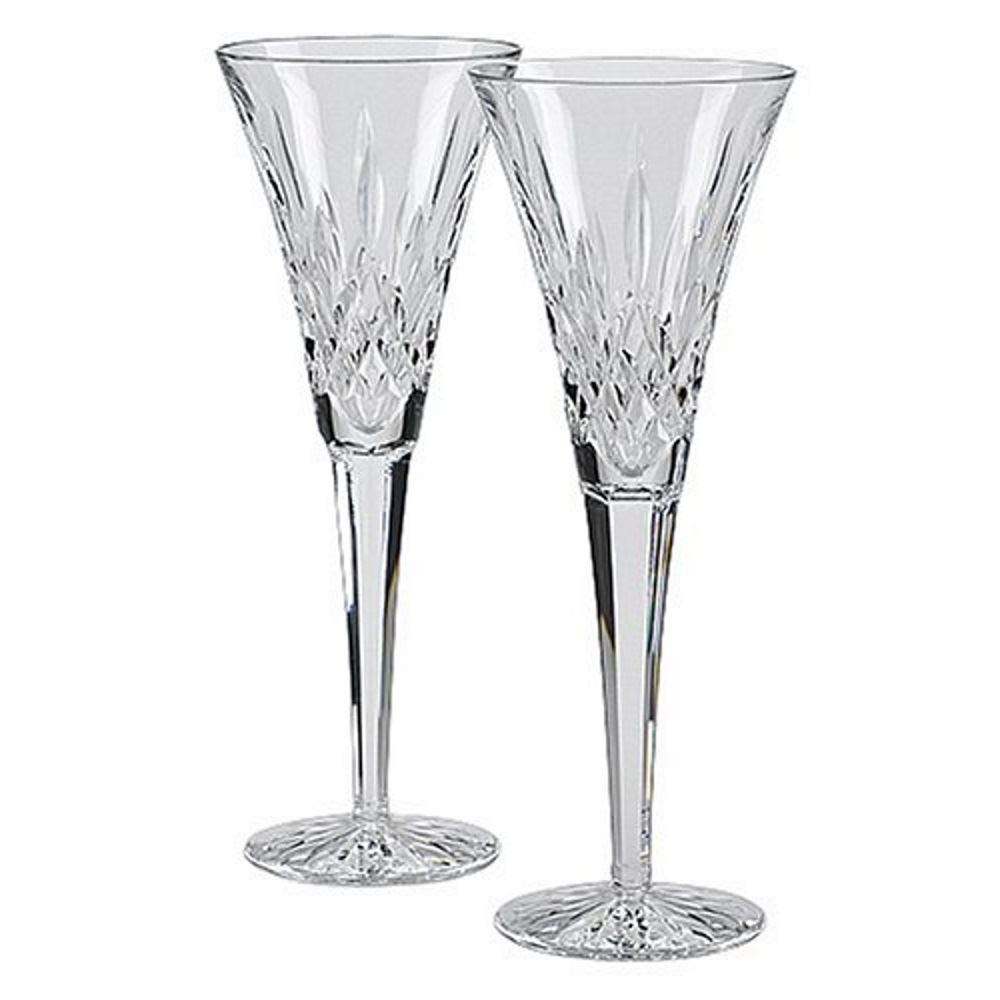
Waterford Lismore Crystal Champagne Flute Pair
Iconic Lismore diamond-and-wedge cut catches light from every angle
Buy on Amazon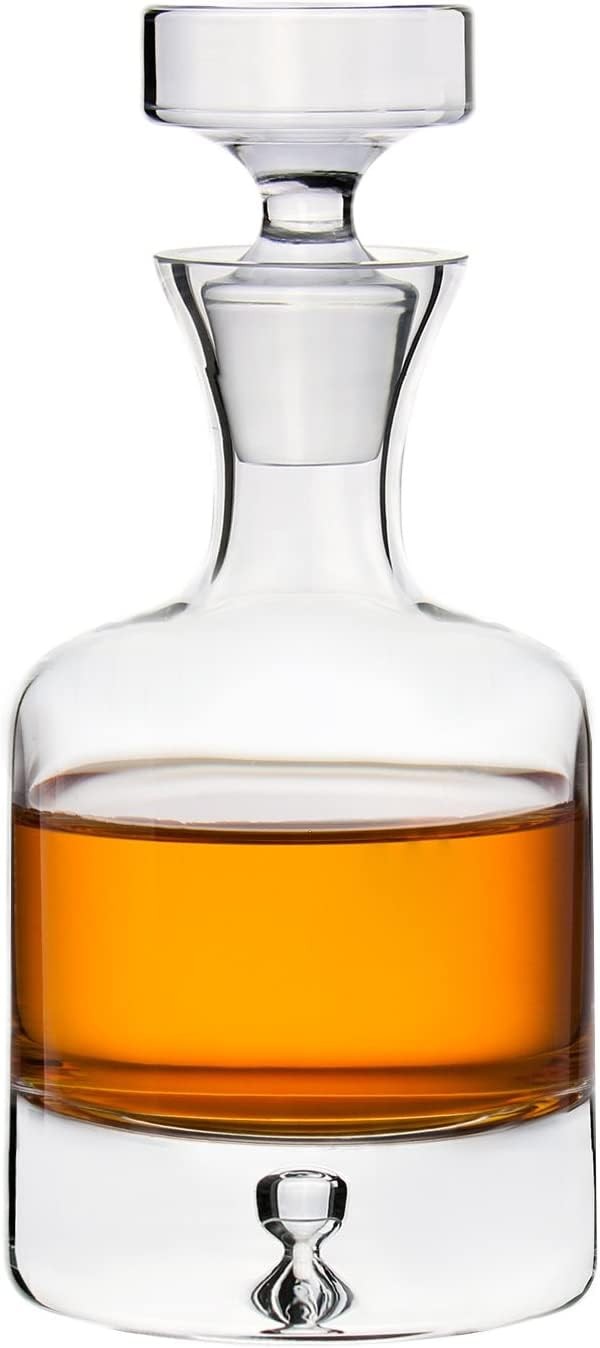
Ravenscroft Crystal Taylor Whiskey Decanter
Lead-free crystal with a wide base designed for spirit storage , the mid-range reference for whiskey decanter comparisons
Buy on AmazonAnchor Hocking Heritage Hill Amber Glass Tumblers (Set of 8)
Warm amber tone pairs naturally with fall and harvest table settings
Check availability at Anchor Hocking| Product | Price Range | Top Strength | Key Weakness | Buy |
|---|---|---|---|---|
| Waterford Lismore Crystal Champagne Flute Pair best overall | $$$ | Iconic Lismore diamond-and-wedge cut catches light from every angle | Delicate flute bowl combined with cut crystal makes these hand-wash only | Buy on Amazon |
| Ravenscroft Crystal Taylor Whiskey Decanter also consider | $$ | Lead-free crystal with a wide base designed for spirit storage , the mid-range reference for whiskey decanter comparisons | Crystal stopper requires hand-drying immediately , calcium deposits around the stopper collar are hard to remove | Buy on Amazon |
| Anchor Hocking Heritage Hill Amber Glass Tumblers (Set of 8) also consider | $ | Warm amber tone pairs naturally with fall and harvest table settings | Amber color is seasonal in appeal , reads autumn-specific rather than year-round | Check Price |
Etched crystal glassware sits at the intersection of craft and function , pieces that earn a permanent spot on the table rather than a trip back to the cupboard after one season. The right set changes the way a table reads, whether you’re pouring champagne at midnight or setting out tumblers for a casual Sunday supper. For everything worth knowing about selecting and caring for these pieces, the Glassware & Crystal hub is a good starting point.
Not every etched or cut crystal piece is worth the shelf space. Some patterns are dated, some crystal formulas are softer than they should be, and some shapes work against the drink they’re meant to serve. The three picks below cover the real range of what’s available , from heirloom flutes to a whiskey decanter to a set of textured tumblers that earn their place at a seasonal table.
What to Look For in Etched Crystal Glassware
Cut Pattern and Light Performance
The visual appeal of etched or cut crystal depends almost entirely on how the pattern interacts with light. Diamond-and-wedge cuts , the kind associated with traditional Irish crystal , refract light into small, prismatic bursts. Flatter, polished cuts produce a more restrained shimmer, elegant without theatrics. Neither is objectively better; the question is what suits the table setting and the occasion.
Pattern depth matters too. Shallow etching adds texture without significantly affecting weight. Deep cuts into the crystal body increase brilliance but also increase fragility , a trade-off worth understanding before you commit to a set you’ll be hand-washing indefinitely.
Crystal Formula: Lead vs. Lead-Free
For most of crystal’s history, lead oxide was what gave it weight, clarity, and that distinctive ring. Lead crystal is still made, but many manufacturers have moved to lead-free formulas that achieve comparable optical quality through alternative mineral compositions. From a purely visual standpoint, the difference is negligible in everyday use.
Lead-free crystal is the safer choice for pieces that hold beverages for extended periods , decanters in particular. A decanter designed to hold whiskey or wine for hours, or days, should always be lead-free. For flutes and tumblers used in short pours, the practical risk of traditional lead crystal is low, but lead-free options are widely available at every quality tier now.
Shape and Function Alignment
A flute preserves carbonation by limiting the surface area exposed to air. A wide-bowl wine glass does the opposite , it encourages wine to breathe. A tumbler is a catch-all vessel, appropriate for spirits, water, or cocktails, but not well-suited for anything you want to aerate or preserve.
Buying etched crystal without considering the drink it’s meant to serve is a common mistake. A gorgeous cut-crystal coupe looks beautiful at a holiday table but accelerates the loss of bubbles in sparkling wine. Matching shape to function is the foundation of a practical glassware collection , the aesthetic layer comes after.
Durability and Care Requirements
Cut crystal is inherently more fragile than smooth glass. The cuts create geometric edges that, while polished, are more vulnerable to thermal shock and impact than a flat surface. Most etched and cut crystal is hand-wash only , not because of the crystal itself, but because dishwasher detergents and high heat cause cloudiness over time that’s very difficult to reverse.
If dishwasher-safe glassware is a non-negotiable, there are textured pressed-glass options that approximate the look of cut crystal at a much lower fragility cost. They won’t perform identically, but they’re worth considering for everyday use or outdoor entertaining. Browsing the full range of crystal and glass options before committing to a style will save you from a mismatch between how you entertain and what your glassware can handle.
Top Picks
Waterford Lismore Crystal Champagne Flute Pair
Few patterns in etched crystal have the longevity of Waterford’s Lismore. The Waterford Lismore Crystal Champagne Flute Pair has been in continuous production long enough to become a genuine heirloom piece , one of those sets that turns up on wedding registries and holiday gift lists year after year without feeling tired.
The Lismore’s diamond-and-wedge cut is the defining feature. At any angle, with any light source, the pattern refracts enough to hold attention across a table. It doesn’t require dramatic staging or candlelight to perform. Set these out at noon and they still earn a second look.
The flute shape is the right choice for sparkling wine, and Waterford commits to the format fully here , tall, narrow, with a bowl diameter that genuinely slows bubble dissipation compared to a tulip or coupe. The lead-free crystal formula brings the optical quality you’d expect from the name without the concerns that come with older lead-crystal formulations.
The honest limitation is that these come in pairs, and a full table setting of eight means four separate boxes. For a household that entertains at that scale regularly, the per-unit investment adds up. These are also strictly hand-wash pieces , the combination of deep cuts and a delicate bowl doesn’t survive repeated dishwasher cycles.
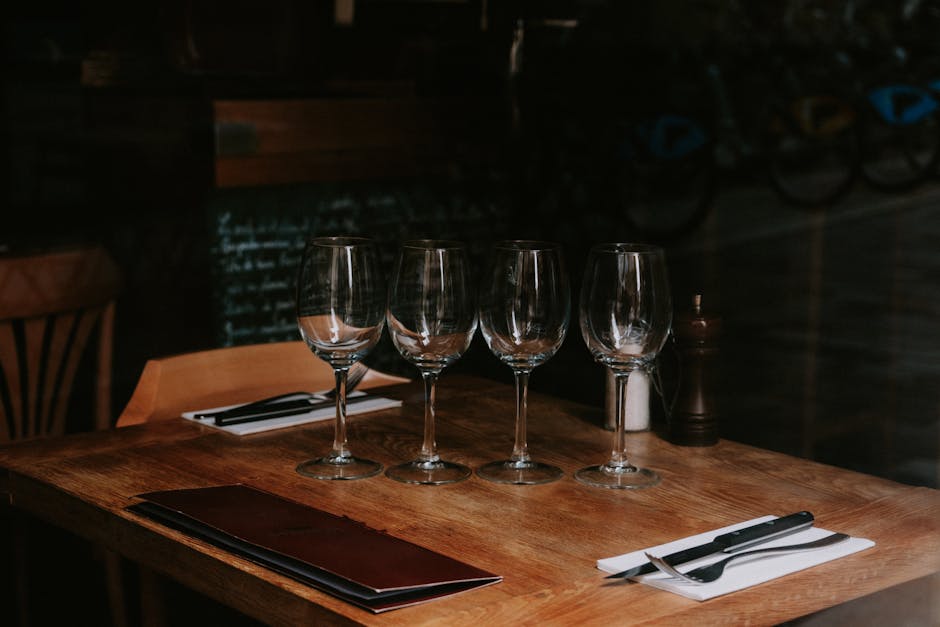
,
Check current price on Amazon.
Ravenscroft Crystal Taylor Whiskey Decanter
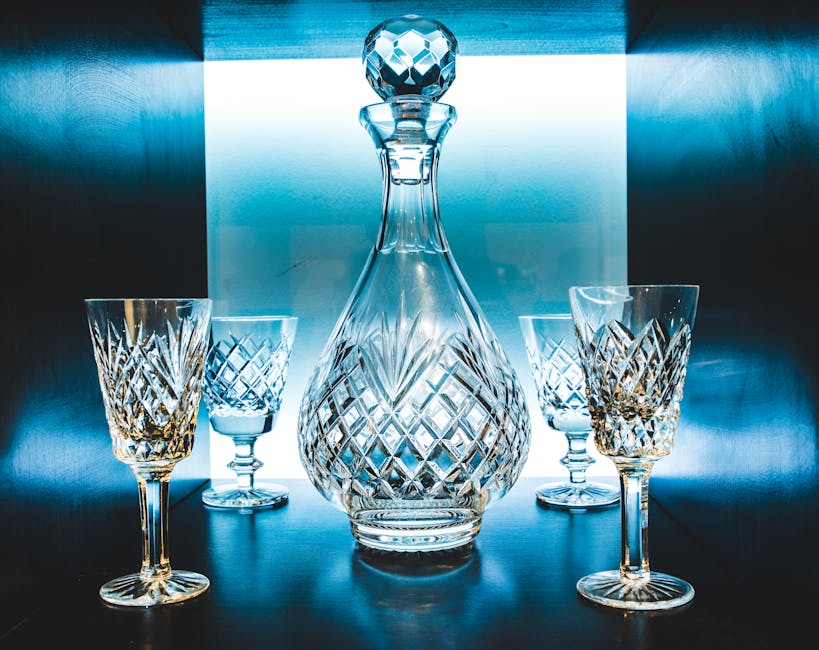
A whiskey decanter is half storage vessel, half table object , and the Ravenscroft Crystal Taylor Whiskey Decanter handles both roles without overreaching. The flat-cut pattern is formal without the visual noise of a more intricate design, which makes it easier to pair across different table settings rather than anchoring it to one specific aesthetic.
Ravenscroft uses lead-free crystal throughout, which is the right call for a decanter. If you’re storing spirit for anything longer than a pour-and-serve service, lead-free is the only reasonable choice. The wide base adds stability on a sideboard or bar cart , not a minor consideration when the vessel is meant to be moved and handled repeatedly.
The stopper is the one maintenance point that requires real attention. Crystal stoppers are prone to calcium deposit buildup at the collar if they’re left damp after washing. The fix is immediate hand-drying every time , straightforward once it’s part of the routine, but easy to skip when you’re clearing up after a long evening. Let the deposits accumulate and removal becomes a project.
This is a mid-range piece that performs well above its price band in terms of appearance. It reads expensive on a sideboard without the fragility anxiety of a more precious piece. A solid reference point for anyone evaluating whiskey decanters across different cut styles.
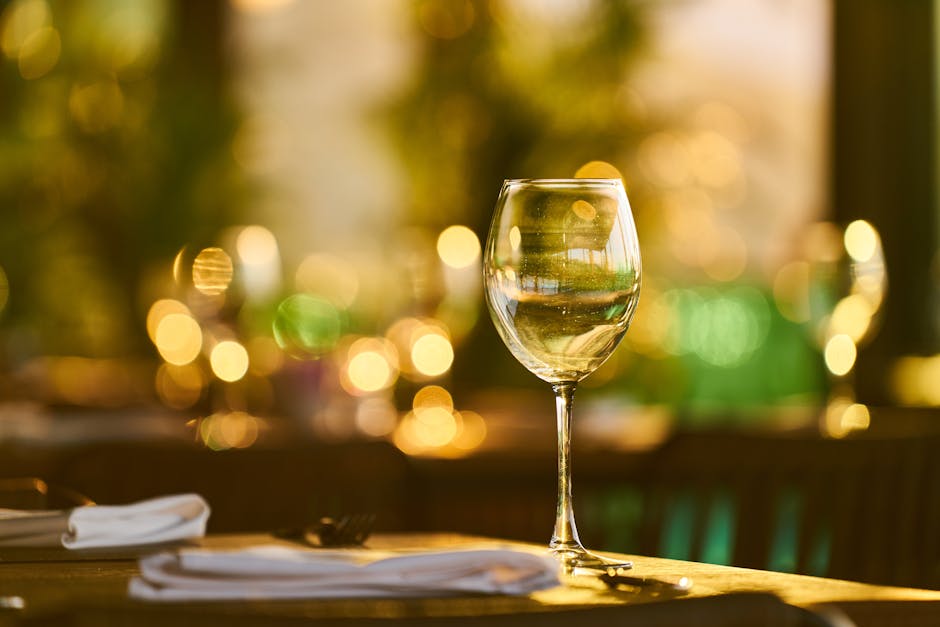
,
Check current price on Amazon.
Heritage Hill Amber Glass Tumblers (Set of 8)
Anchor Hocking’s Heritage Hill Amber Glass Tumblers occupy a different category from the other two picks , not crystal, not fine tableware, but a sturdy pressed-glass set with genuine seasonal utility. The warm amber tone reads naturally against fall linens, harvest centerpieces, and the kind of casual outdoor table that doesn’t need a formal glassware program.
The vintage pressed-glass pattern gives these visual texture that smooth tumblers at the same price point don’t offer. Up close, it reads as intentional rather than generic. The set of eight means you’re covered for a full dinner table without tracking down individual replacements, which is a practical advantage that higher-end glassware rarely matches.
The seasonal limitation is real. Amber glass is not a year-round neutral , it works in autumn and against warm earth tones, and it reads slightly out of place against spring or summer color palettes. These are not a substitute for clear crystal, and the heavy tumbler shape isn’t suited to wine service. Used correctly, though , spirits, water, cocktails at a fall gathering , they do exactly what they’re designed to do, and they’ll go through a dishwasher without complaint.
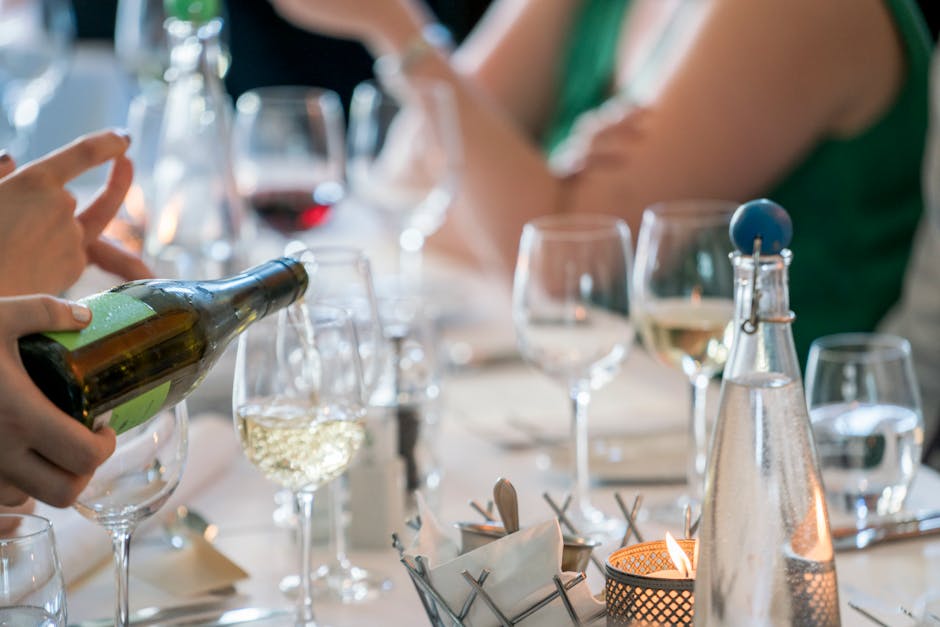
,
Check current price on Amazon.
How to Choose
Match the Glass to the Occasion, Not Just the Aesthetic
The most common glassware mistake is buying for how a piece photographs rather than how it performs at the table. Etched crystal flutes belong at celebrations where sparkling wine is the point , holiday toasts, wedding dinners, anniversary suppers. A cut-crystal decanter belongs on a sideboard where it can be admired and used regularly for spirit service. Textured tumblers belong at casual gatherings where the table needs character without fragility risk.
Before adding any piece to your collection, ask what it will hold and how often you’ll actually use it. A set that earns weekly use justifies a premium investment. A set that comes out once a year warrants more caution.
Consider the Full Table Before Committing to One Piece
Etched and cut crystal has a strong visual presence. It works best when the rest of the table gives it room. A maximalist centerpiece, heavily patterned dinnerware, and ornate flatware will compete with deep-cut crystal rather than complement it. The more intricate the glass pattern, the more restrained everything else needs to be.
Conversely, simple, undecorated table settings , solid linens, clean-lined dinnerware , benefit enormously from a single strong glassware statement. One well-chosen set of etched flutes can do more for a table than an entirely new dinnerware collection.
Lead-Free Is the Modern Standard
For any piece used in beverage service , particularly decanters , lead-free crystal is the right choice. Both the Waterford Lismore flutes and the Ravenscroft decanter are lead-free, which reflects where quality crystal manufacturing has moved. Lead crystal is still available, but there is no optical or functional reason to choose it over a well-made lead-free alternative at current quality levels.
If you’re purchasing vintage crystal at an estate sale or inheriting older pieces, assume lead content and use accordingly , short pours, prompt emptying, no long-term storage in the vessel.
Care Commitment Determines Practical Value
Premium etched crystal requires hand-washing. That’s not a dealbreaker, but it’s a variable that affects how often you’ll actually use the pieces. A set of champagne flutes that requires careful hand-drying after every use is a different maintenance commitment than dishwasher-safe tumblers you can clear from the table without thinking about it.
If your household’s honest routine involves loading the dishwasher after dinner, pressed-glass textured pieces , like the Heritage Hill tumblers , will serve you better in practice than crystal that spends most of its time in a cabinet because the cleanup feels like a project.
How Many Pieces Do You Actually Need
Buying for the table size you entertain at, rather than aspirational guest counts, keeps the investment proportional. A household that regularly hosts four to six people doesn’t need a service for twelve. The Waterford flutes sell in pairs, which means building toward a full table setting requires deliberate purchasing across several boxes , a reasonable plan if you’re building a collection over time, but worth mapping out before the first purchase.
A practical starting point: buy for your most common dinner party size first, then add to the collection as the occasion arises. Reviewing the broader glassware options in the context of your full table setting is the best way to avoid duplication or gaps.
Frequently Asked Questions
Are the Waterford Lismore flutes worth the premium over less expensive etched crystal?
For a wedding registry or a gift that’s meant to last decades, the Lismore pattern justifies the investment. The cut quality, lead-free formula, and Waterford’s manufacturing consistency set it apart from entry-level etched crystal that can show cloudiness or wear within a few years. For everyday sparkling wine at a casual table, a mid-range flute will serve you just as well. The Lismore earns its place as a once-in-a-generation purchase, not a weekly-use set.
Can I use the Ravenscroft decanter for wine as well as whiskey?
The Ravenscroft Taylor decanter works well for both spirits and wine , the wide base and lead-free crystal make it appropriate for any beverage you’d want to decant. The stopper care requirement applies regardless of what’s inside: hand-dry immediately after washing to prevent calcium deposits at the collar. For red wine service specifically, a wide-bowl decanter shape is often preferred for aeration, so the Taylor’s format suits both purposes without compromise.
How do I prevent cloudiness in etched crystal over time?
Cloudiness in etched crystal almost always comes from hard water mineral deposits or dishwasher detergent residue , both preventable with consistent hand-washing and immediate drying after every use. For pieces that have already developed cloudiness, a soak in a diluted white vinegar solution often restores clarity if the cloudiness is mineral-based. Etching from dishwasher chemicals is permanent. The safest rule is simple: hand-wash, hand-dry, store without stacking.
Are the Heritage Hill amber tumblers suitable for a formal table setting?
Not comfortably. The amber glass and pressed-glass pattern place these firmly in the casual-to-relaxed register, which suits fall dinners, outdoor gatherings, and harvest-themed tables well. A formal table , fine china, crisp linens, candlelight , calls for clear crystal that reads refined rather than rustic. Use the Heritage Hill tumblers for what they do genuinely well and reach for clear crystal when the occasion requires it.
What’s the safest way to store cut crystal to prevent chipping?
Store cut crystal upright rather than inverted , resting a cut rim on a shelf introduces chipping risk at the most vulnerable point of the glass. If cabinet space requires stacking, use felt or padded dividers between pieces. Never nest cut crystal without protection. For flutes in particular, the tall, narrow bowl means the base is the most stable storage orientation, and keeping them separated in a cabinet with adequate height eliminates most accidental contact damage.
Frequently Asked Questions
Are the Waterford Lismore flutes worth the premium over less expensive etched crystal?
For a wedding registry or a gift meant to last decades, the Lismore pattern justifies the investment. The cut quality, lead-free formula, and Waterford's manufacturing consistency set it apart from entry-level etched crystal that can show cloudiness or wear within a few years. For everyday sparkling wine at a casual table, a mid-range flute serves just as well. The Lismore earns its place as a long-term investment piece, not a weekly-use set.
Can I use the Ravenscroft crystal decanter for wine as well as whiskey?
Yes. The wide base and lead-free crystal make it appropriate for any beverage you would want to decant. The stopper care requirement applies regardless of what is inside — hand-dry immediately after washing to prevent calcium deposits at the collar. For red wine service specifically, a wide-bowl decanter format suits aeration well, so the Taylor handles both purposes without compromise.
How do I prevent cloudiness in etched crystal over time?
Cloudiness almost always comes from hard water mineral deposits or dishwasher detergent residue, both preventable with consistent hand-washing and immediate drying after every use. For pieces that have already developed cloudiness, a soak in diluted white vinegar often restores clarity if the cloudiness is mineral-based. Cloudiness from dishwasher chemicals is permanent. The safest rule: hand-wash, hand-dry, store without stacking.
Are the Heritage Hill amber glass tumblers suitable for a formal table setting?
Not comfortably. The amber glass and pressed-glass pattern place them firmly in the casual-to-relaxed register, which suits fall dinners, outdoor gatherings, and harvest-themed tables well. A formal table with fine china, crisp linens, and candlelight calls for clear crystal that reads refined rather than rustic. Use them for what they do genuinely well and reach for clear crystal when the occasion requires it.
What is the safest way to store cut crystal to prevent chipping?
Store cut crystal upright rather than inverted — resting a cut rim on a shelf introduces chipping risk at the most vulnerable point. If cabinet space requires stacking, use felt or padded dividers between pieces and never nest cut crystal without protection. For flutes in particular, the base is the most stable storage orientation, and keeping them separated in a cabinet with adequate height eliminates most accidental contact damage.
Where to Buy
Waterford Lismore Crystal Champagne Flute PairSee Lismore Crystal Champagne Flute Pair on Amazon