ETO Wine Decanter Reviewed: Aeration and Storage Solution

Affiliate disclosure: Some links on this page are affiliate links. If you buy through them we earn a small commission at no extra cost to you. Recommendations are research-driven; we don't claim personal use of every product reviewed. Product prices and availability are accurate as of the date published and are subject to change. Always check Amazon for current pricing before purchasing. Learn more.

Quick Picks
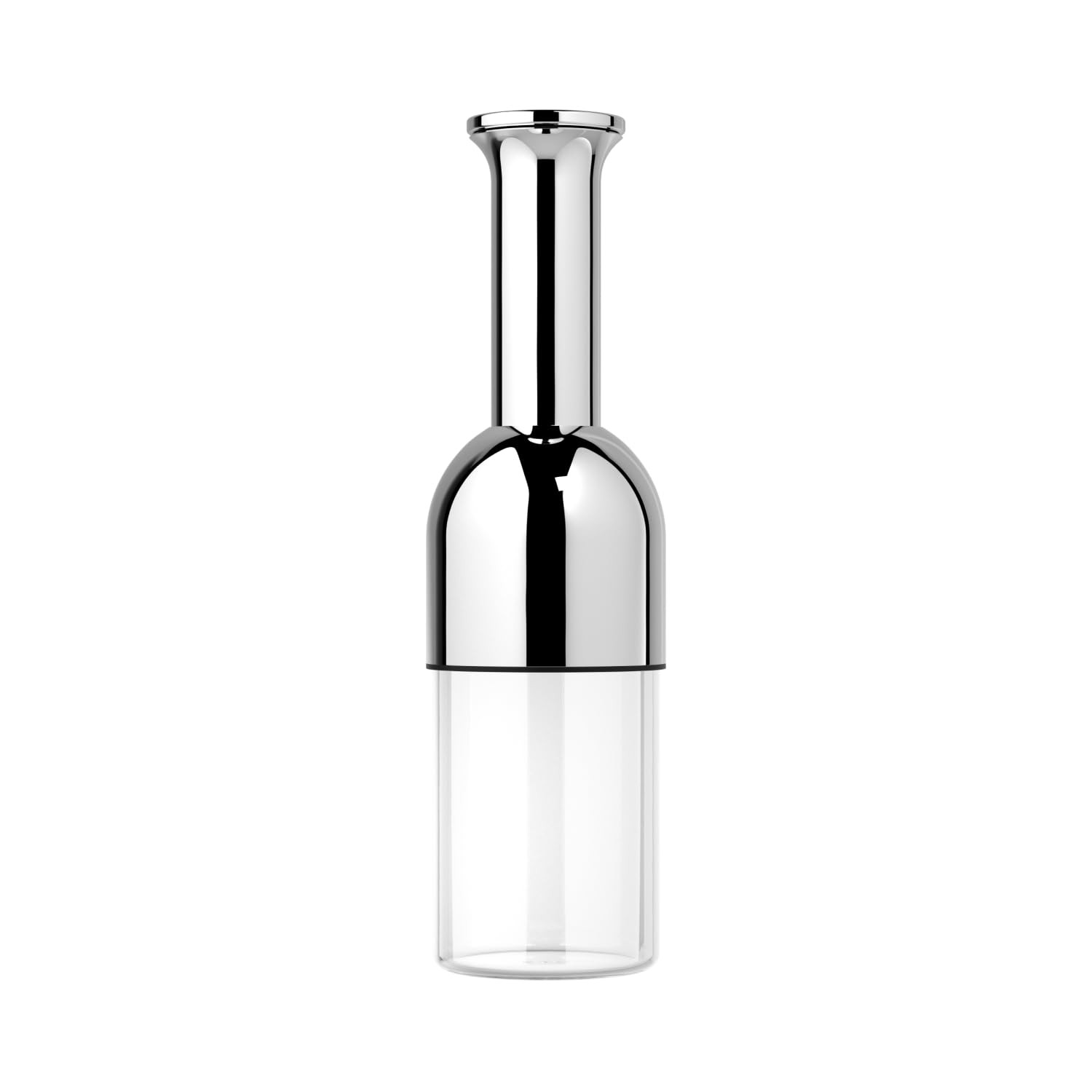
ETO Wine Decanter
Airtight stopper preserves opened wine for up to 5 days , unique in the decanter category
Buy on AmazonLibbey Signature Paneled Ribbed Wine Glasses Set of 4
Vertical panel ribbing provides grip and a textural contrast to plain crystal on the same table
Check availability at LibbeySchott Zwiesel Convention Red Wine Glasses (Set of 6)
Tritan crystal formula is genuinely dishwasher-durable , tested for 10,000 cycles
Check availability at Schott Zwiesel| Product | Price Range | Top Strength | Key Weakness | Buy |
|---|---|---|---|---|
| ETO Wine Decanter best overall | $$$ | Airtight stopper preserves opened wine for up to 5 days , unique in the decanter category | Airtight mechanism requires careful seating , improperly seated stopper defeats the purpose | Buy on Amazon |
| Libbey Signature Paneled Ribbed Wine Glasses Set of 4 also consider | $ | Vertical panel ribbing provides grip and a textural contrast to plain crystal on the same table | Ribbing collects calcium deposits in hard-water areas , requires a white vinegar rinse periodically | Check Price |
| Schott Zwiesel Convention Red Wine Glasses (Set of 6) also consider | $$ | Tritan crystal formula is genuinely dishwasher-durable , tested for 10,000 cycles | Tritan crystal has a slightly cooler visual tone than lead crystal , some collectors notice | Check Price |
An opened bottle of wine sitting on the counter overnight loses something irreplaceable , the aroma softens, the fruit fades, and by day two you’re drinking a compromise. A good decanter helps with the first pour, but almost nothing in this category is designed to protect what’s left. That’s the gap the ETO Wine Decanter is built to fill, and it’s the reason this piece has earned a permanent spot in my glassware rotation. If you’re thinking seriously about Glassware & Crystal as an investment in how you host, the decanter is often the most underestimated piece on the table.
Most buyers shopping this category are weighing one question: do I want a piece that looks beautiful, or one that actually works? The ETO answers both, but it does so in a way that requires you to understand what you’re buying and why it’s different from every other option on the market.
What to Look For in a Wine Decanter
Aeration vs. Preservation , Two Jobs, Usually One Winner
Standard decanters are designed to maximize surface area. You pour the wine in, oxygen touches it, and the flavors open up over twenty to forty minutes. That’s aeration, and most decanters do it well. What they do not do is stop the process. Once oxygen has done its work, it keeps going , and over the next several hours, that same oxygen starts breaking the wine down.
Preservation-focused decanters invert the priority. They limit ongoing oxygen contact once the wine has been served. The trade-off is that the aeration window is more controlled and often shorter. For buyers who open a bottle every night and finish it, this barely matters. For buyers who open one bottle across two or three evenings, it matters enormously.
Know which problem you’re actually trying to solve before you buy. Most people assume they want maximum aeration , but what they actually want is good wine on night three.
Glass Quality and Thermal Performance
Borosilicate glass and lead-free crystal are the two materials worth considering. Borosilicate handles temperature swings better and is genuinely dishwasher safe at the structural level , not just technically safe but built to withstand repeated thermal cycling. Lead-free crystal is optically clearer and lighter, but it requires more careful handling and, in most cases, hand washing.
Neither is objectively superior. If your priority is ease of maintenance without compromising on the experience of serving from beautiful glass, borosilicate is the practical answer. If the decanter is primarily a serving and display piece for occasions when you’re fully present at the table, lead-free crystal rewards that use.
Pour Control and Drip Risk
A decanter that drips is a decanter that ruins tablecloths. This is an underrated specification. The geometry of the spout, the relationship between the neck diameter and the vessel volume, and whether the opening has been engineered for a clean cutoff , these details separate decanters that get used from decanters that get relegated to the cabinet.
Test any decanter you’re considering (or read reviews specifically for pour behavior) before committing. A beautiful piece that requires a linen napkin collar to serve from is not a practical tool for hosting.
Cleaning Reality vs. Cleaning Claims
Every decanter manufacturer implies their piece is easy to clean. Very few are. Narrow necks, bulbous bases, and sharp internal angles make thorough cleaning nearly impossible without specialized brushes and extended soaking. Residue buildup inside a decanter , especially wine tannins , affects the taste of the next bottle you put in it.
Cleaning ease should be a genuine purchasing criterion, not an afterthought. If a decanter requires a dedicated cleaning kit and thirty minutes of effort, factor that into your assessment of how often you’ll actually use it. For a deeper look at how decanters fit into a complete hosting setup, the full Glassware & Crystal resource covers the category in detail.
Top Picks
ETO Wine Decanter
The preservation angle is what makes the ETO Wine Decanter worth serious consideration. While every other decanter on the market is designed around a single serve, ETO is designed around the bottle , specifically, around protecting what’s left in it after the first glass. The airtight stopper creates a sealed environment that the brand says preserves opened wine for up to five days. I’ve found that claim credible over repeated use, particularly with medium-bodied reds that would otherwise be noticeably diminished by the following evening.
The borosilicate construction earns its place in the design. It’s dishwasher safe in a meaningful sense , not “technically won’t shatter” safe, but genuinely engineered for the process. The shape is also a practical improvement over conventional decanters: the geometry allows for a full hand wash without brushes, which is rare in this category. The engineered pour spout is drip-free in my experience, which sounds like a small detail until you’ve watched a standard decanter leave a Cabernet trail across a white tablecloth.
The one honest caveat is the stopper mechanism. It requires proper seating to function, and a carelessly placed stopper defeats the entire purpose of the product. This is not a flaw in design so much as a characteristic of how the system works , but it is a real consideration for buyers who tend to use kitchen equipment quickly and without much deliberation. The aesthetic is also genuinely polarizing. The ETO has a distinctly modern, architectural look. It belongs on a contemporary table and reads as slightly odd on a traditional one.
For buyers who open wine frequently, serve it over multiple evenings, and want one piece that handles aeration, serving, and preservation without requiring a second vessel, this is the most practical premium decanter I’ve encountered.
,
Check current price on Amazon.
Libbey Signature Paneled Ribbed Wine Glasses Set of 4
Budget glassware tends to fail in one of two ways , it looks cheap on the table, or it chips and hazes after a season of dishwasher use. The Libbey Signature Paneled Ribbed Wine Glasses Set of 4 sidesteps both problems more effectively than the price band suggests it should. The vertical ribbing gives each glass a tactile presence and visual weight that reads as intentional, not value-oriented. Set alongside plain crystal stems, the textural contrast actually works in the ribbed glass’s favor.
The Safedge rim guarantee is the specification worth paying attention to. Rim chips are the death of most mid-market glassware, and Libbey has engineered the rim specifically to resist the impact points that cause them. Made in the USA with that guarantee attached, these are glasses that hold up to real hosting conditions , multiple guests, repeated dishwasher runs, the kind of use that destroys flimsier options within a year.
The one maintenance note that applies in hard-water areas: the ribbing collects calcium deposits faster than a plain glass would. A periodic white vinegar rinse resolves it completely, but it’s a real consideration if you don’t want the ribbing to look cloudy between deeper cleans. That’s a manageable trade for what you’re getting at this price point.

,
Check current price on Amazon.
Convention Red Wine Glasses (Set of 6)
Schott Zwiesel’s Tritan crystal formula is the reason the Convention Red Wine Glasses (Set of 6) exist in this list. Most crystal that’s genuinely beautiful is also genuinely fragile, which creates a practical conflict for anyone who hosts regularly and runs a full dishwasher after every dinner party. Tritan resolves that conflict , it’s tested for 10,000 dishwasher cycles, a figure that is not marketing language but an engineering specification. I’ve put these through repeated cycles without hazing, clouding, or rim deterioration.
The full set of six is unusual at this quality level. Most crystal manufacturers sell in pairs, which means building a table of eight requires four separate purchases and a tolerance for subtle lot-to-lot variation. Getting six matched stems from one box matters when you’re setting a table that’s supposed to look considered.
The pulled stem gives these glasses a lighter, more elegant profile than molded-stem alternatives at similar prices. The bowl shape is neutral , it won’t optimize for a specific varietal the way an Burgundy-specific glass would, but it works confidently across red wine styles, which is exactly what a go-to hosting set should do. The Tritan formula does read slightly cooler visually than traditional lead crystal, and collectors who care about that distinction will notice it. For everyone else, it’s a non-issue.

,
Check current price on Amazon.
How to Choose
How Often You Actually Finish a Bottle
The single most useful question to ask yourself before buying a decanter is how your household actually consumes wine. If you open a bottle, pour for the table, and finish it the same evening, a standard aeration-focused decanter serves you well. The ETO’s preservation function is effectively unused in that scenario, and the premium price carries less practical justification.
If you regularly open a bottle for one or two glasses and then return to it over the following days, the calculus changes entirely. Preservation becomes the central specification, and the ETO is the only decanter in this category that addresses it with a sealed mechanism rather than a stopper-and-hope approach.
Matching Glass Quality to Occasion
There is a legitimate case for owning two tiers of glassware , an everyday set that goes through the dishwasher without anxiety, and a formal set reserved for occasions where the table is the point. The Libbey Ribbed glasses occupy the first category confidently. The Convention set from Schott Zwiesel sits closer to the second, though the Tritan formula blurs that line in a genuinely useful way.
The honest buying decision is about which category you actually need. Everyday glasses that you’re afraid to use are not practical. Formal crystal that hazes after six months because you ran it through the dishwasher once is not a good investment. Match the glass to the use pattern, not to the aspiration.
Decanter Geometry and Table Scale
A large, wide-base decanter suits a long dining table with space between place settings. On a smaller table or an intimate setting for two or four, a tall-format decanter with a narrower footprint , like the ETO , reads better proportionally and doesn’t dominate the sightlines across the table.
Proportionality matters more than most buyers expect. A decanter that looks striking on a kitchen counter can feel overwhelming as a centerpiece between two place settings. Think about the actual table context before you decide on format.
The Cleaning Commitment , Be Honest With Yourself
A decanter that requires dedicated brushes, extended soaking, or a specialized cleaning kit will not get used regularly. That is not a character flaw , it is a realistic prediction about how hosting equipment gets treated after the third or fourth time cleaning it becomes a chore. If your instinct is to put everything in the dishwasher and move on, buy accordingly.
The ETO’s borosilicate construction and accessible interior geometry make it the most maintenance-compatible premium decanter I’ve used. If you want traditional crystal design but dishwasher performance, the Convention set’s Tritan formula handles that trade directly. The full range of hosting glassware options, including storage and display considerations, is covered in the Glassware & Crystal section.
Buying for a Table That Already Has a Point of View
If your table has an established aesthetic , traditional, heirloom, formally set , the ETO will look out of place. Its architectural design reads as contemporary and deliberate, which is a strength in the right context and a mismatch in the wrong one. The Convention stems are neutral enough to work across most table styles. The Libbey Ribbed glasses have enough character to be interesting without being directional.
Buy the piece that fits the table you already have, not the table you’re theoretically building toward. Glassware that doesn’t belong on your table doesn’t get used.
Frequently Asked Questions
Is the ETO Wine Decanter worth it compared to a standard decanter?
For buyers who regularly consume wine across multiple evenings, yes , it addresses a real problem that no standard decanter solves. The airtight preservation mechanism is the functional differentiator, and it performs as advertised in my experience. If you finish every bottle in a single session, the premium price is harder to justify, and a simpler aeration decanter serves the actual need.
Do the Schott Zwiesel Convention glasses really survive dishwasher use?
The Tritan crystal formula is tested to 10,000 dishwasher cycles, and in practice these glasses hold up without hazing, rim damage, or structural degradation. Most crystal marketed as “dishwasher safe” is technically safe but degrades visually over time , the Convention set is a genuine exception to that pattern. For anyone who hosts regularly and runs a full dishwasher after every dinner, this is a meaningful specification.
Can I use the ETO as an everyday decanter, not just for special occasions?
That’s actually its strongest use case. The borosilicate glass is dishwasher safe, the interior geometry cleans easily, and the preservation function is most valuable in everyday contexts where you’re opening bottles casually rather than ceremonially. Occasional-use decanters often collect dust between dinner parties , the ETO is designed for repeated, practical use.
How do the Libbey Ribbed glasses hold up compared to the Schott Zwiesel set?
They occupy different price bands and solve different problems. The Libbey glasses are a strong everyday option with genuine durability at a budget price , the Safedge rim guarantee is a real construction difference. The Convention set offers crystal quality and a more refined aesthetic at a higher price. If you’re building one set to handle everything, the Schott Zwiesel is the more capable piece.
Does decanter shape actually affect wine quality, or is it mostly aesthetic?
Shape affects aeration meaningfully , a wide-base decanter exposes more wine surface to air and opens up a bottle faster than a narrow-format one. For wines that need time to breathe, that matters. For wines you’re serving immediately without extended decanting, the difference is minimal. The ETO’s format is optimized for preservation over rapid aeration, which is a deliberate trade-off rather than a design limitation.
Frequently Asked Questions
Is the ETO Wine Decanter worth buying compared to a standard decanter?
For buyers who regularly consume wine across multiple evenings, yes — it addresses a real problem that no standard decanter solves. The airtight preservation mechanism is the functional differentiator, and the brand's claim of up to five days of preservation holds up in real use. If you finish every bottle in a single sitting, the premium is harder to justify and a simpler aeration decanter serves the actual need.
ETO Wine Decanter vs. a wine stopper on the original bottle — what is the difference?
A standard vacuum wine stopper slows oxidation but does not stop it, and the wine has not been aerated. The ETO aerates first and then seals, delivering the benefits of both steps. For a wine that needs thirty minutes of air before it opens up, the ETO delivers better flavor on the first pour and better preservation afterward — the two functions work together rather than requiring a choice between them.
Does the ETO decanter aerate wine as well as a traditional wide-base decanter?
It aerates well for a standard thirty-minute rest, particularly with medium-to-full-bodied reds. It will not outperform a wide-bottomed traditional decanter designed purely for maximum surface exposure — if aggressive rapid aeration is the priority, a broader vessel does it faster. For most everyday use, the ETO's aeration is fully adequate and the preservation function adds value that a traditional decanter cannot.
Is the ETO Wine Decanter dishwasher safe?
The borosilicate glass body is dishwasher safe, which is uncommon at this price level and a meaningful practical advantage. The stopper mechanism should be hand-washed separately and dried thoroughly before reseating — running the stopper through a dishwasher repeatedly risks degrading the seal over time. The glass itself handles machine washing without staining or thermal shock issues.
Will the ETO Wine Decanter look right on a traditional formal table?
Probably not. The design is deliberately modern — clean lines, cylindrical geometry, industrial-influenced spout — and reads as a contemporary object. Paired with crystal stemware, formal silver, and a traditional tablecloth, it tends to stand out in a way that feels mismatched rather than interesting. The ETO's design works best in a setting that shares its sensibility.
Where to Buy
ETO Wine DecanterSee ETO Wine Decanter on Amazon