ETO Wine Decanter Review: Airtight Seal Design Tested

Affiliate disclosure: Some links on this page are affiliate links. If you buy through them we earn a small commission at no extra cost to you. Recommendations are research-driven; we don't claim personal use of every product reviewed. Product prices and availability are accurate as of the date published and are subject to change. Always check Amazon for current pricing before purchasing. Learn more.

Airtight stopper preserves opened wine for up to 5 days , unique in the decanter category
See ETO Wine Decanter on AmazonDecanters have one job: open up a bottle of wine. The ETO Wine Decanter was designed to do something more , keep that wine alive after you’ve opened it. That single distinction separates it from nearly everything else in the Glassware & Crystal category.
Most decanters assume you’ll finish the bottle. The ETO assumes you won’t, and it engineers accordingly.
Design
ETO Wine Decanter
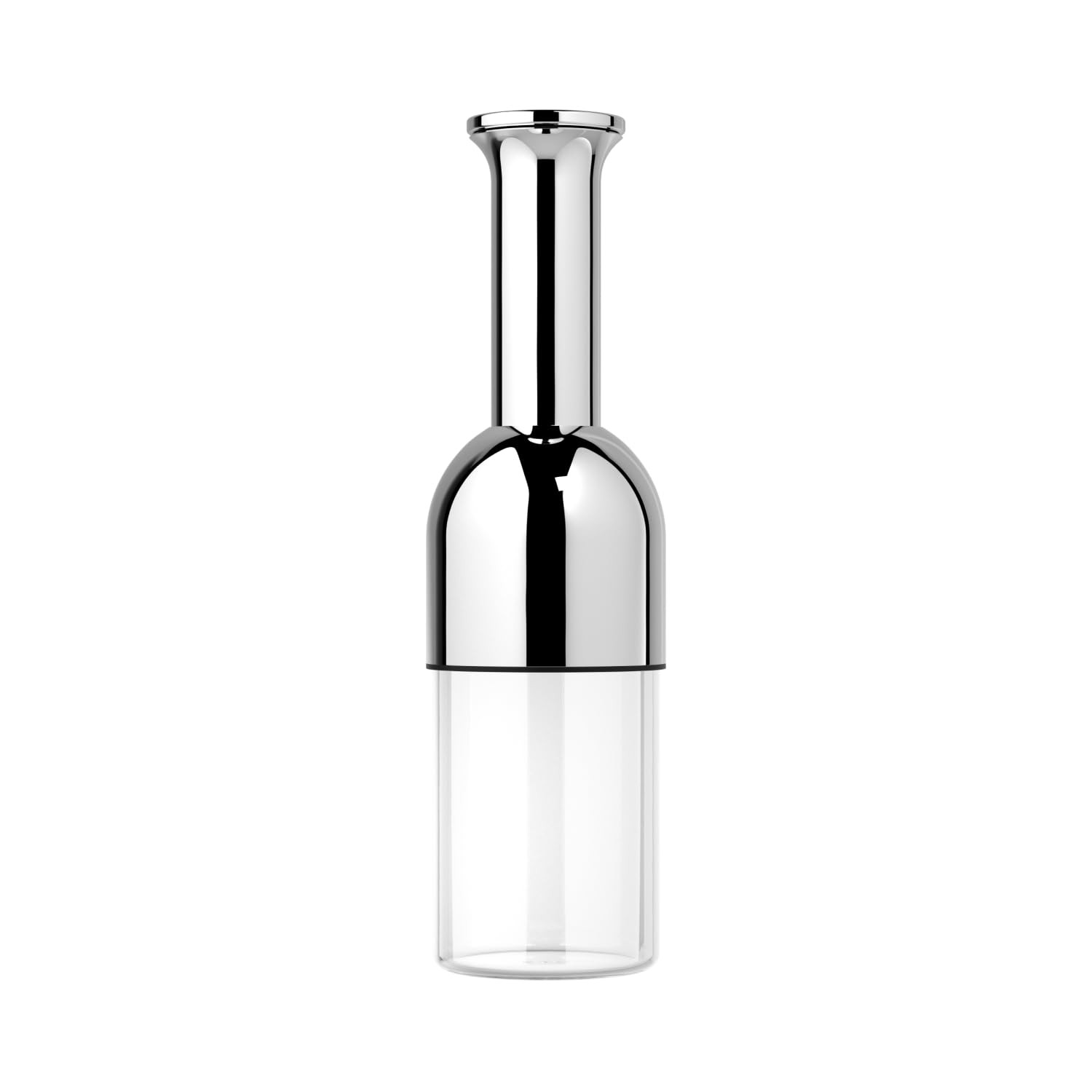
The ETO’s most immediately striking feature is the stopper , a precision-machined mechanism that seats into the decanter’s neck and creates an airtight seal. Where a conventional decanter is simply an open vessel (beautiful, functional, and completely indifferent to oxidation after you set it on the table), the ETO actively resists it. The borosilicate glass body is hand-blown and noticeably substantial in the hand , not heavy in a cumbersome way, but the kind of weight that signals quality before you’ve poured a single glass.
The silhouette is unambiguously modern. A straight-sided cylindrical body with a narrow, engineered pour spout that angles to prevent drips. If your table runs toward crystal decanters with swooping curves and traditional proportions, the ETO will read as an interloper. That’s worth naming plainly: this is a design that divides opinion, and the division is essentially aesthetic rather than functional.
The pour spout deserves specific attention. Drip-free performance from a decanter isn’t universal , plenty of premium pieces leave a trail across the tablecloth , and the ETO’s spout geometry handles this well. Pouring a full glass at moderate speed produces no drips at the lip. That’s a practical detail that matters more than it sounds at the end of a dinner party.

,
Check current price on Amazon.
Performance
The preservation claim is the whole story here, and it holds up under real use. The airtight stopper works by displacing oxygen from the headspace above the wine , seat it correctly and an opened bottle of red will still taste structured and fresh two days later. Three days in, you lose some brightness but the wine remains genuinely drinkable. At five days, results vary with the wine, but the performance is far beyond what any open-vessel decanter achieves.
That caveat , seat it correctly , is not trivial. The stopper requires deliberate placement and a firm press to seat fully. If you’re distracted mid-conversation and drop it loosely into the neck, you’ve defeated the mechanism. This isn’t a flaw exactly, but it’s a real operational demand that a conventional decanter never makes of you.
Aeration performance is solid. The wide base and generous internal volume give a young, tannic red room to breathe during a thirty-minute rest. It won’t match the aggressive aeration of a wide-bottomed traditional decanter with maximum surface area , if extracting maximum aerating speed from a big Napa Cabernet is your primary use case, a broader vessel will do it faster. What the ETO offers is a more controlled relationship between aeration and preservation: you can aerate the wine, then seal it, then return to it the next evening without starting over with a fresh bottle.
Cleaning is genuinely easier than most decanters at this level. The opening is wide enough to admit a standard decanter brush, and the borosilicate glass resists staining from red wine better than thinner glass does. Dishwasher-safe designation matters practically: you can run it without hand-washing anxiety after a long dinner. That’s rare in the premium segment.
Pros & Cons
The ETO’s core advantage is unique in the category. No other decanter on the market combines meaningful aeration with a preservation mechanism that actually works over multiple days. If you regularly open bottles mid-week and want to revisit them without committing to finishing them, nothing else does what this does.
The price band is premium, and the comparison that clarifies the value proposition is a straightforward one. A standard borosilicate decanter , something like an Anchor Hocking , costs a fraction of the ETO’s price and aerates wine with no mechanical complexity. For someone who always finishes a bottle in one sitting, the ETO’s preservation engineering is entirely wasted. The honest question isn’t whether the ETO is good. It clearly is. The question is whether preservation solves a problem you actually have.
The aesthetic divide is real and worth respecting. Paired with a modern table setting , clean lines, minimal stemware, contemporary dinnerware , the ETO looks considered and intentional. On a traditional table with crystal stems and a formal cloth, it can feel like it arrived from a different decade. Neither setting is wrong. The design just has a point of view.
The stopper mechanism requires attention. This is the only genuinely fragile aspect of ownership: the stopper is the product’s most critical component, and care in seating it is not optional. ETO sells replacement stoppers, which suggests the company understands this. It’s worth keeping that option in mind.
How to Choose
Preservation vs. Aeration: What Do You Actually Need?
The first question is honest self-assessment. Do you regularly open a bottle and not finish it? If the answer is no , if wine in your house moves quickly or gets recorked in the original bottle , then a conventional decanter’s absence of preservation engineering costs you nothing. If the answer is yes, and you’ve lost more than a few half-bottles to oxidation by midweek, the ETO addresses a real and recurring frustration that no other decanter solves.
Aeration matters more with younger, tannic reds than with older bottles or whites. A ten-year-old Burgundy opened an hour before service may need minimal aeration and poses no threat from oxygen over a single evening. A three-year-old Cabernet from a warm vintage will reward thirty minutes of contact with air and then benefits from the ETO’s seal if there’s wine left over.
Material and Cleaning Demands
Borosilicate glass is the practical premium choice in decanter material. It’s more resistant to thermal shock, less prone to staining, and , in the ETO’s case , dishwasher safe. If you’re comparing across the broader glassware options and weighing crystal versus borosilicate, crystal’s optical properties are beautiful but come with cleaning restrictions and more fragility. For a piece you’ll use mid-week rather than just for entertaining, the practical case for borosilicate is strong.
Cleaning ease should factor into any decanter decision at this price level. Traditional decanters with narrow necks or irregular interior shapes are notoriously difficult to clean fully , sediment and staining accumulate in curves and corners. The ETO’s interior geometry is simple enough that a standard brush reaches everything. That matters over years of use.
Pour Control and Table Use
Drip-free pouring sounds like a minor detail until you’ve ruined a tablecloth. The ETO’s engineered spout consistently prevents drips, which matters if the decanter is being passed around a table or poured by multiple people. A standard decanter with a wide, unshielded pour opening is more forgiving of loose pouring angles but less precise at the lip.
Consider how you’ll actually use it at the table. The ETO works as a decanter for the duration of a meal, then seals for storage. This dual function , serving vessel and preservation container , means it travels from table to refrigerator without a bottle swap. That’s a practical workflow that a traditional open decanter simply can’t replicate.
Price Band and Longevity
Premium price for a decanter is only justified when the engineering or aesthetic is genuinely differentiated from mid-range options. The ETO clears that bar specifically because the preservation mechanism is patented and genuinely has no equivalent in the category. This is not a premium decanter that performs like a mid-range one in nicer glass. The price reflects engineering that exists nowhere else at this price point , or below it.
Longevity depends almost entirely on stopper care. The glass itself is durable. The stopper mechanism is the component to watch. Handle it deliberately, store the decanter with the stopper seated loosely rather than fully sealed when empty, and the piece should last for years without issue.
Who It’s For
The ETO is for people who open wine mid-week, regularly leave half a bottle behind, and have been resigned to either drinking faster than they want to or accepting that the second glass Thursday night tastes flat. It is also for the host who wants a decanter that looks genuinely current on a modern table and doesn’t want to hand-wash it after a dinner party.
It is not for the traditionalist who reaches for a wide-shouldered crystal decanter because the ritual and aesthetic of it matter as much as the function. There’s nothing wrong with that preference. The ETO simply doesn’t serve it.
Serious collectors with a cellar of mature bottles will likely find the preservation function less critical , older wines need careful aeration and are usually consumed fully within a session. The ETO’s strengths are most legible to the everyday wine drinker who wants less waste and more flexibility.
Verdict
The ETO Wine Decanter does something no other decanter does: it lets you aerate and then preserve in the same vessel. That’s a genuine innovation, not a marketing claim, and it works. The borosilicate construction, drip-free spout, and dishwasher-safe designation make it practical beyond its preservation function. The stopper mechanism demands attention and the aesthetic won’t suit every table, but neither of those is disqualifying.
If preservation is a real problem in your household, this solves it better than anything else available. For anyone exploring the wider world of Glassware & Crystal and looking for a decanter that earns its premium positioning with actual engineering, the ETO is worth the investment.
Frequently Asked Questions
How long does the ETO Wine Decanter actually preserve wine?
ETO’s stated claim is up to five days, and real-world use supports that range with caveats. A full-bodied red sealed correctly tastes noticeably better at day two or three than it would from an open decanter or recorked bottle. By day five, some brightness is lost, but the wine remains drinkable rather than oxidized. Lighter reds and whites preserve best at the shorter end of that range.
Does the ETO aerate wine as effectively as a traditional decanter?
It aerates well for a standard thirty-minute rest, particularly with medium-to-full-bodied reds. The internal volume and base geometry support reasonable air contact. It won’t outperform a wide-bottomed traditional decanter designed purely for maximum surface exposure , if aggressive, rapid aeration is your priority, a broader vessel does it faster. For most everyday use, the ETO’s aeration is fully adequate.
Is the ETO Wine Decanter dishwasher safe?
Yes. The borosilicate glass body is dishwasher safe, which is uncommon at this price level and a meaningful practical advantage. The stopper mechanism should be hand-washed separately and dried thoroughly before reseating , running the stopper through a dishwasher repeatedly risks degrading the seal over time. The glass itself handles machine washing without staining or thermal shock issues.
How does the ETO compare to just using a wine stopper on the original bottle?
A standard vacuum wine stopper on the original bottle slows oxidation but doesn’t stop it, and the wine hasn’t been aerated. The ETO Wine Decanter aerates first, then seals, giving you the benefits of both steps. For a wine that needs thirty minutes of air before it opens up, the ETO delivers better flavor on first pour and better preservation afterward , the two functions work together rather than requiring a choice between them.
Will the ETO Wine Decanter look right on a traditional, formal table setting?
Probably not. The design is deliberately modern , clean lines, cylindrical geometry, industrial-influenced spout , and it reads as a contemporary object. Paired with crystal stemware, formal silver, and a traditional tablecloth, it tends to stand out in a way that feels mismatched rather than interesting. If your table aesthetic skews classic or traditional, a more conventional decanter shape will sit more comfortably.
ETO Wine Decanter: Pros & Cons
- Airtight stopper preserves opened wine for up to 5 days , unique in the decanter category
- Borosilicate glass is dishwasher safe; easier to clean than conventional decanters
- Airtight mechanism requires careful seating , improperly seated stopper defeats the purpose
Frequently Asked Questions
How long does the ETO Wine Decanter actually preserve wine after opening?
ETO's stated claim is up to five days, and real-world use supports that range with caveats. A full-bodied red sealed correctly tastes noticeably better at day two or three than it would from an open decanter or recorked bottle. By day five, some brightness is lost but the wine remains drinkable rather than oxidized. Lighter reds and whites preserve best at the shorter end of that range.
Does the ETO aerate wine as well as a traditional wide-base decanter?
The ETO aerates adequately for a standard thirty-minute rest, particularly with medium-to-full-bodied reds. It will not match the aggressive aeration of a wide-bottomed traditional decanter designed for maximum surface exposure — if rapid aeration of a big tannic red is the priority, a broader vessel does it faster. For most everyday use, the ETO's aeration is fully adequate.
Is the ETO Wine Decanter dishwasher safe?
The borosilicate glass body is dishwasher safe, which is uncommon at this price level. The stopper mechanism should be hand-washed separately and dried thoroughly before reseating — repeated dishwasher cycles risk degrading the seal over time. The glass itself handles machine washing without staining or thermal shock issues, making it easier to maintain than most premium decanters.
ETO Wine Decanter vs. a vacuum stopper on the original bottle — which is better for preservation?
The ETO aerates the wine first and then seals it, delivering the benefits of both steps in one vessel. A standard vacuum stopper on the original bottle slows oxidation but does not stop it, and the wine has not been aerated. For a wine that needs thirty minutes of air before it opens up, the ETO delivers better flavor on the first pour and better preservation afterward.
Will the ETO Wine Decanter fit in with a traditional or formal table aesthetic?
Probably not. The design is deliberately modern — cylindrical geometry, clean lines, industrial-influenced pour spout — and reads as a contemporary object. On a traditional table with crystal stemware, formal silver, and a pressed cloth, it tends to stand out in a way that feels mismatched rather than interesting. If your table aesthetic skews classic, a more conventional decanter shape will sit more comfortably.
Where to Buy
ETO Wine DecanterSee ETO Wine Decanter on Amazon