Bone China vs Fine Bone China: Which Is Right for You

Affiliate disclosure: Some links on this page are affiliate links. If you buy through them we earn a small commission at no extra cost to you. This never influences which products we recommend — we only suggest things we'd buy ourselves. Product prices and availability are accurate as of the date published and are subject to change. Always check Amazon for current pricing before purchasing. Learn more.
Bone china and fine bone china look nearly identical on a dressed table, and most buyers assume the difference is just marketing. It isn’t , but the gap matters less than which piece actually fits how you entertain. The right answer depends on what you’re setting, how often you’ll use it, and how precious you want your tableware to feel.
Both products here come from the Dinnerware & China world’s upper register , refined, considered, made for tables that are dressed with intention. One is a full place setting built for use. The other is a teacup designed to be remembered.
At a Glance
The Cameo White 5-Piece Bone China Place Setting from Mikasa is a complete, everyday-capable set for buyers stepping up from stoneware to something more refined , clean lines, luminous finish, and a price band that doesn’t require a special occasion to justify owning it.
The Wedgwood Vera Wang Lace Bone China Teacup and Saucer is a different proposition entirely. It’s a deliberate, formal piece , lace-embossed, platinum-trimmed, and designed for afternoon tea settings where the cup itself is part of the occasion.
These two products aren’t competing for the same shelf. Knowing which one you need comes down to how you plan to use them.
Why Choose the Mikasa Cameo White
Cameo White 5-Piece Bone China Place Setting
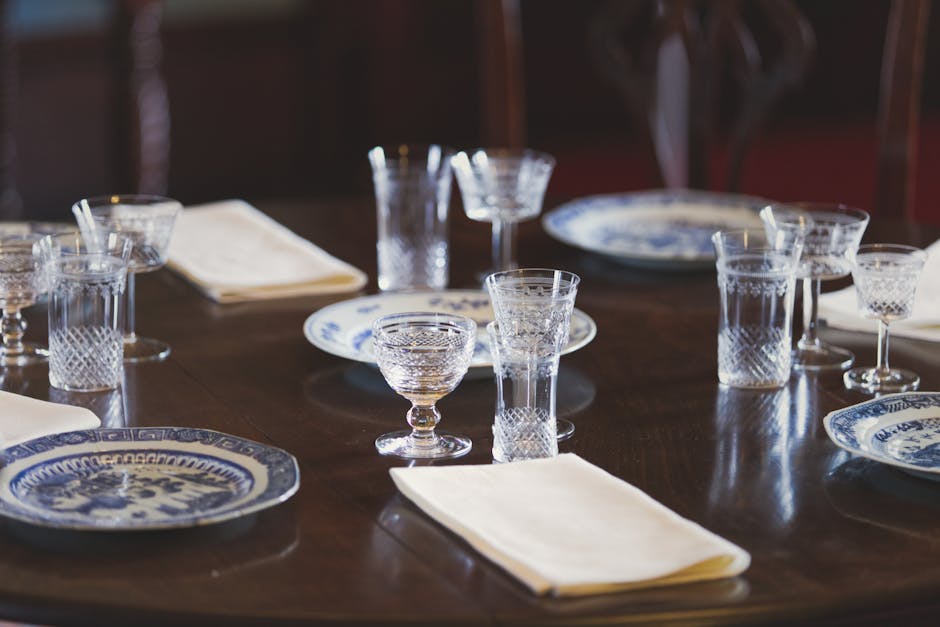
For a buyer who wants the luminosity of bone china without the rituals that come with premium tableware, the Cameo White 5-Piece Bone China Place Setting makes a strong case. The five-piece configuration , typically a dinner plate, salad plate, soup bowl, mug, and saucer , gives you a functioning table setting rather than a decorative gesture. That completeness matters when you’re actually hosting.
The translucency is genuine. Hold a piece up to candlelight and you’ll see the slight luminosity that separates bone china from earthenware or standard porcelain. The rim is smooth and unadorned, which means it works as a blank canvas for any table style , linen and silver, rattan chargers, casual bistro , without fighting your other choices. That versatility is underrated in a piece you’ll use across seasons.
Dishwasher safety (top rack) is a practical advantage that shouldn’t be minimized. Bone china capable of surviving the dishwasher without immediate deterioration represents real progress in the category, and Mikasa’s formula holds up better than older bone china approaches. Load carefully , rim chips are the main failure point with rough handling , but daily use is genuinely viable here.
One honest note: the tone skews warm cream rather than stark white. If your linens are pure optical white, there will be a visible contrast. That’s not a flaw in the piece, but it’s worth knowing before you order.
,
Check current price on Amazon.
Why Choose the Wedgwood Vera Wang Lace
Wedgwood Vera Wang Lace Bone China Teacup and Saucer
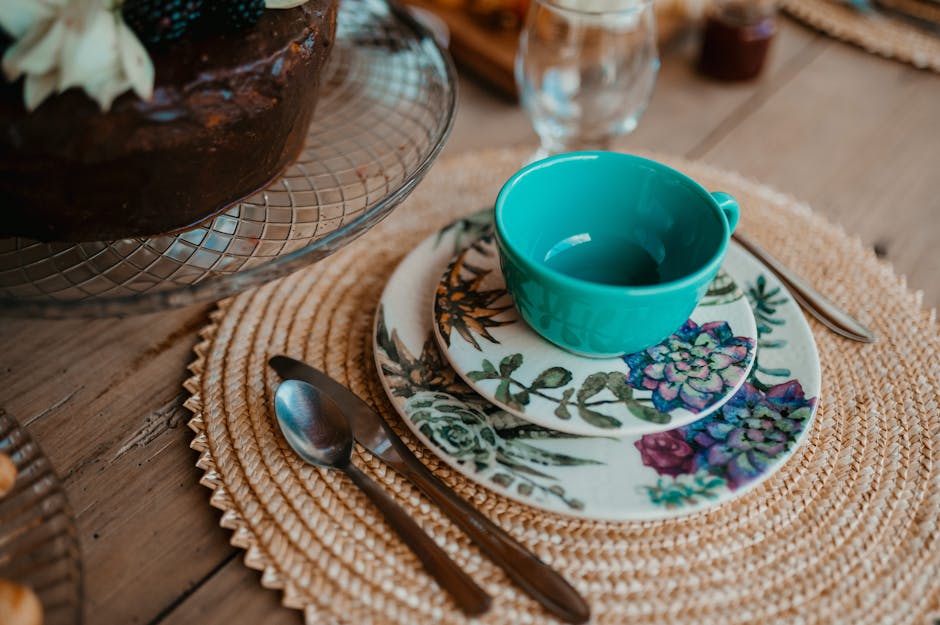
There are teacups, and then there are the ones that arrive at the table and stop the conversation for a moment. The Wedgwood Vera Wang Lace Bone China Teacup and Saucer belongs to the second category. The lace-embossed body is the most recognized teacup design in formal afternoon tea circles, and that reputation is earned , the detailing is precise, the profile is elegant, and the platinum trim on the saucer reads as quietly expensive rather than ornate.
The saucer has a secondary function that Wedgwood doesn’t always emphasize enough: it works as an individual dessert plate for petit fours or small biscuits. At a properly set afternoon tea, that doubles the piece’s utility without any visual awkwardness. The proportions accommodate both roles without compromise.
The constraint is real and worth stating plainly. Platinum trim requires hand-washing. If your household runs on the dishwasher and you’re looking for something you’ll reach for on a weekday morning, this isn’t that piece. It rewards households where formal settings happen regularly enough that hand-washing tableware is already part of the routine , or where these cups are kept specifically for the occasions that warrant them.
This is a premium piece in the finest bone china tradition, built around a singular aesthetic rather than everyday adaptability. Buyers who understand that distinction will not be disappointed.
,
Check current price on Amazon.
Verdict
The Cameo White 5-Piece Bone China Place Setting is the clearer recommendation for most buyers. It delivers genuine bone china quality in a complete, usable configuration that handles both dinner parties and Tuesday nights without ceremony. The dishwasher safety and versatile aesthetic remove the friction that makes a lot of fine tableware feel too precious to actually own.
The Wedgwood Vera Wang Lace Bone China Teacup and Saucer is the right choice if afternoon tea , properly set, deliberately prepared , is a real part of how you entertain. It’s a piece with a specific role, and within that role it’s exceptional. Buying it for everyday use would be a mismatch; buying it for what it was designed for is a sound decision.
If you’re building a table from scratch and need to choose one, the Mikasa is the foundation. The Wedgwood is the addition you make when the foundation is already in place.
How to Choose
Bone China vs Fine Bone China: What the Labels Actually Mean
Bone china contains a minimum of 30 percent bone ash , typically calcined cattle bone , which gives it both its translucency and its surprising strength relative to its weight. Fine bone china raises that threshold to 45 percent or higher, producing a more luminous, lighter piece. The difference shows most clearly under light and at the rim: fine bone china has a warmth and a thinness that standard bone china doesn’t fully match.
For most buyers, this distinction becomes meaningful at the premium tier. Mid-range bone china performs well and looks beautiful; fine bone china justifies the premium through refinement rather than utility. Neither is wrong , they serve different budgets and different occasions.
Daily Use vs Occasional Use
This is the decision that separates most tableware choices before any aesthetic consideration enters the picture. Bone china designed for daily use , like the Mikasa Cameo White , is engineered with dishwasher safety and real-world handling in mind. It can anchor a full setting without requiring special treatment.
Occasional-use pieces like the Wedgwood Vera Wang Lace are built for the ritual of use rather than the frequency of it. The platinum trim, the embossed detailing, the hand-wash-only requirement , these are design choices that prioritize the experience of the piece over its convenience. Neither approach is a compromise; they’re simply different contracts with the buyer.
Completeness of the Setting
A five-piece place setting and a teacup-and-saucer set represent fundamentally different stages of table building. If you’re starting from nothing or upgrading an entire table, a complete place setting gives you immediate utility. If your dinner service is already established and you’re adding a specific piece for a specific occasion, a teacup set slots in without requiring you to overhaul anything.
Think about what gap you’re actually filling before purchasing. Browse the full range of tableware and place setting options before committing to a direction , knowing what else is available in the category helps you make a choice you won’t want to revisit in six months.
Aesthetic Commitment
Undecorated bone china like the Cameo White is genuinely neutral , it will work with almost any table aesthetic you bring to it. That flexibility has real value across a decorating lifetime, especially when your table style evolves.
Embossed and trimmed pieces like the Vera Wang Lace make a specific visual statement. They’re beautiful within that statement and awkward outside it. Before committing to a heavily decorated piece, consider whether your broader table aesthetic , linens, glassware, centerpieces , will continue to support it over time, or whether you’re buying for a table you currently have rather than the one you’ll have in five years.
Care Requirements and Longevity
Dishwasher safety is not a minor consideration , it’s a daily friction point that compounds over years of ownership. A piece you have to hand-wash every time becomes a piece you reach for less often, which means it delivers less value regardless of its quality. Be honest about your household routines before buying.
Rim chipping is the primary longevity concern with any bone china. Load dishwasher-safe pieces carefully, stack with felt separators when storing, and avoid stacking more than four or five pieces high. These habits add years to pieces that would otherwise chip within the first season of use.
Frequently Asked Questions
What is the actual difference between bone china and fine bone china?
Bone china contains at least 30 percent bone ash in its composition; fine bone china raises that to 45 percent or above. The higher bone ash content produces a lighter, more translucent piece with a warmer tone and a thinner profile. In practical terms, fine bone china looks and feels more refined , but it also commands a higher price and typically requires more careful handling. Both are durable relative to their weight, but fine bone china rewards more deliberate care.
Is bone china suitable for everyday use?
It depends on the specific piece. Some bone china, including the Mikasa Cameo White, is dishwasher-safe and designed to handle regular use without rapid deterioration. Others , particularly those with platinum or gold trim, like the Wedgwood Vera Wang Lace , require hand-washing and are better suited to occasional formal use. Always check the manufacturer’s care instructions before assuming a piece is daily-use capable.
Can I mix bone china and fine bone china at the same table?
Yes, and done thoughtfully it can add visual interest rather than looking inconsistent. The key is cohesion in color tone , bone china and fine bone china both tend toward warm whites and creams, so they read as complementary rather than clashing. Where mixing breaks down is in scale and weight: a substantial dinner plate paired with an extremely thin teacup can look mismatched. Keep the visual weight consistent across your setting and the result will feel considered.
Which is better for an afternoon tea setting , the Mikasa or the Wedgwood?
For a formal afternoon tea where the presentation is part of the occasion, the Wedgwood Vera Wang Lace Bone China Teacup and Saucer is the stronger choice. The lace embossing and platinum trim are specifically associated with that context, and the saucer doubles as a plate for small accompaniments. The Mikasa Cameo White is the better choice if afternoon tea is casual or if you need a full setting rather than a dedicated teacup.
Does bone china yellow over time?
Bone china can develop a yellowed or discolored tone with prolonged exposure to strong sunlight, certain dishwasher detergents, or improper storage. Storing pieces away from direct light, using a gentle dishwasher detergent without bleaching agents, and hand-washing platinum- or gold-trimmed pieces all help maintain the original tone. The warm cream of pieces like the Mikasa Cameo White is an inherent characteristic of the clay body , that warmth is present from the start and should not be confused with yellowing from age or misuse.
Mikasa Trellis 16-Piece Bone China Dinnerware Set: Pros & Cons
- 16-piece bone china set serves four with dinner plate, salad plate, soup bowl, and mug — complete service in one box
- Embossed vine pattern adds subtle texture without being busy; works for everyday and entertaining use
- Fine china construction at mid-range pricing; dishwasher and microwave safe
- Embossed pattern reads as traditional; modern-minimalist tables may prefer plain bone china
- Fine china chips more easily than stoneware — not ideal for households with young children
Wedgwood Vera Wang Lace Bone China Teacup and Saucer: Pros & Cons
- Vera Wang lace-embossed bone china is the most recognised teacup design for formal afternoon tea settings
- Platinum-trimmed saucer doubles as an individual dessert plate for petit fours
- Platinum trim requires hand-washing — not suitable for daily use in households reliant on the dishwasher
Frequently Asked Questions
What is the actual difference between bone china and fine bone china?
Bone china contains at least 30 percent bone ash in its composition; fine bone china raises that to 45 percent or above. The higher bone ash content produces a lighter, more translucent piece with a warmer tone and a thinner profile. In practical terms, fine bone china looks and feels more refined, but it commands a higher price and typically requires more careful handling.
Is bone china suitable for everyday use?
It depends on the specific piece. The Mikasa Cameo White is dishwasher-safe on the top rack and designed to handle regular use without rapid deterioration. Pieces with platinum or gold trim, like the Wedgwood Vera Wang Lace, require hand-washing and are better suited to occasional formal use. The finish and trim are usually the deciding factor, not the bone china body itself.
Which is better for an afternoon tea setting — the Mikasa or the Wedgwood?
For a formal afternoon tea where the presentation is part of the occasion, the Wedgwood Vera Wang Lace is the stronger choice. The lace embossing and platinum trim are specifically associated with that context, and the saucer doubles as a plate for small accompaniments. The Mikasa Cameo White is the better choice if afternoon tea is casual or if you need a full place setting rather than a dedicated teacup.
Can I mix bone china and fine bone china at the same table?
Yes, and done thoughtfully it can add visual interest rather than looking inconsistent. The key is cohesion in color tone — bone china and fine bone china both tend toward warm whites and creams, so they read as complementary rather than clashing. Where mixing breaks down is in scale and weight; a substantial dinner plate paired with an extremely thin teacup can look mismatched.
Does bone china yellow over time?
Bone china can develop a yellowed or discolored tone with prolonged exposure to strong sunlight, certain dishwasher detergents, or improper storage. Storing pieces away from direct light and using a gentle detergent without bleaching agents helps maintain the original tone. The warm cream of pieces like the Mikasa Cameo White is an inherent characteristic of the clay body and should not be confused with yellowing from age or misuse.
Where to Buy
Mikasa Trellis 16-Piece Bone China Dinnerware SetSee Mikasa Trellis 16-Piece Bone China Di… on Amazon