Bone China vs Fine China: Key Differences Explained

Affiliate disclosure: Some links on this page are affiliate links. If you buy through them we earn a small commission at no extra cost to you. Recommendations are research-driven; we don't claim personal use of every product reviewed. Product prices and availability are accurate as of the date published and are subject to change. Always check Amazon for current pricing before purchasing. Learn more.
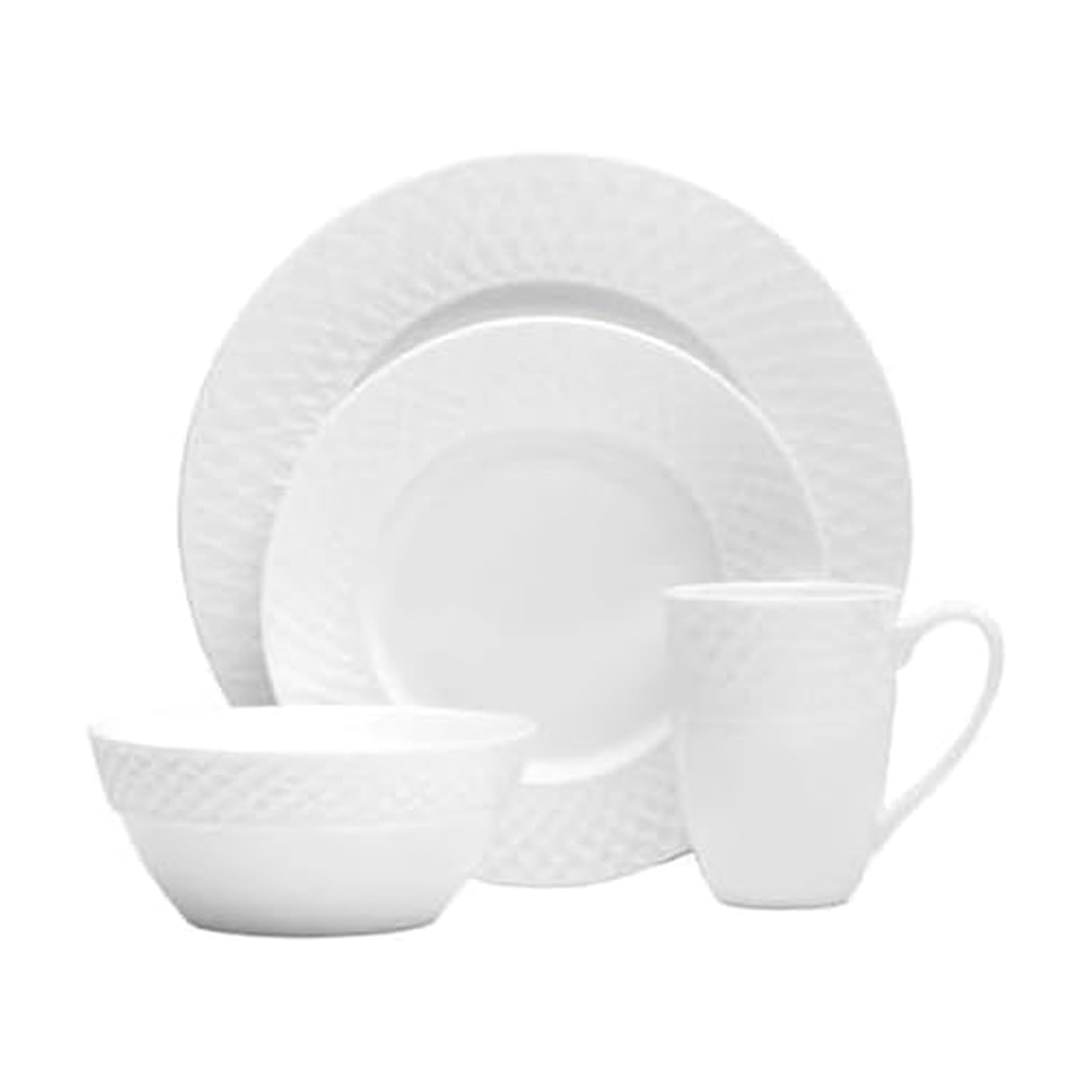 Mikasa Mikasa Trellis 16-Piece Bone China Dinnerware Set Buy on Amazon
 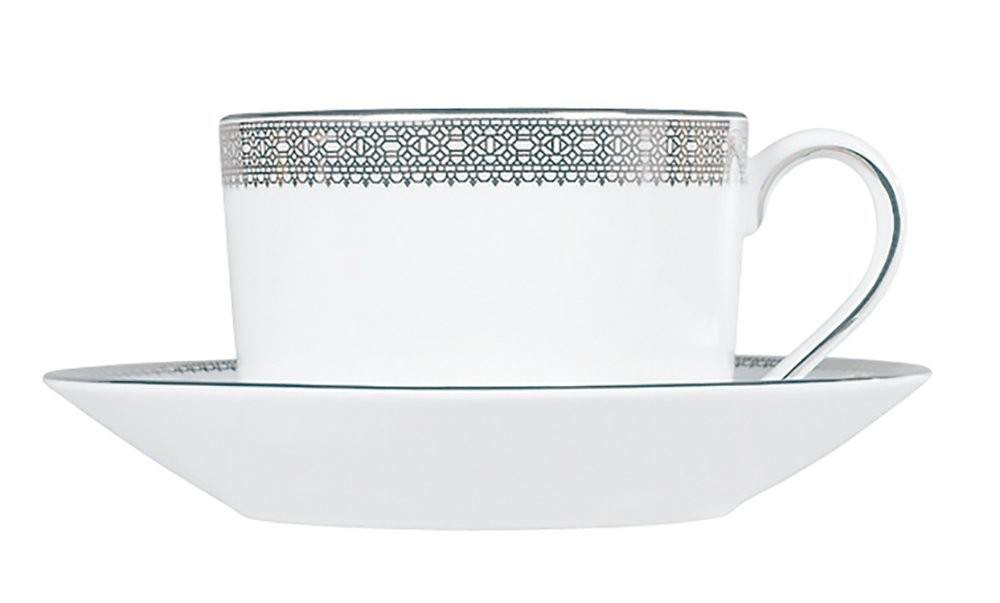 Wedgwood Wedgwood Vera Wang Lace Bone China Teacup and Saucer Buy on Amazon
 Bone china and fine china get used interchangeably in casual conversation, but they are not the same material , and the difference matters when you’re choosing tableware that will actually hold up on your table. Understanding what separates them saves you from a purchase you’ll regret the first time a teacup chips or a dinner plate looks wrong against your linens.
Both products here are bone china, which already puts them ahead of many options in the broader world of Dinnerware & China. The real question is what each one is built for , and whether your table calls for everyday refinement or a dedicated formal piece.
At a Glance
The Mikasa Trellis 16-Piece Bone China Dinnerware Set by Mikasa is a complete set serving four, aimed at buyers who want immediate full table service in bone china without piecing together individual place settings. The Wedgwood Vera Wang Lace Bone China Teacup and Saucer is a single-purpose piece: it exists for formal tea service, and it does that job with a level of design detail that nothing at a mid-range price point can match.
These two products are rarely in direct competition. Knowing which one you actually need comes down to how you entertain and what gap you’re filling in your china cabinet.
Why Choose the Mikasa Trellis
Mikasa Trellis 16-Piece Bone China Dinnerware Set
The Mikasa Trellis 16-Piece Bone China Dinnerware Set solves the problem that most bone china buyers face: getting a complete, immediate table service without building it piece by piece. Sixteen pieces cover four full settings — dinner plate, salad plate, soup bowl, and mug — so the set goes directly from box to table without a second purchase. Bone china’s defining characteristic is its translucency, and you notice it here: at a candlelit dinner table, that slight luminosity gives each piece a warmth that stoneware simply doesn’t produce.
The Trellis pattern is the design distinction worth understanding before purchase. The embossed vine motif is subtle , pressed into the bone china body rather than painted on top , which means the texture reads as refined without the maintenance commitment of metallic decoration. It’s quieter than a full botanical pattern but more intentional than a plain white plate. At a dressed table, it adds visual interest without competing with the food or the centerpiece.
Practically speaking, it’s fully microwave and dishwasher safe , a meaningful advantage over platinum-banded fine china that demands hand-washing. Bone china is more fragile than stoneware and rim chips are a real risk with rough dishwasher loading, but for a household that wants refined tableware with full appliance compatibility, this is the option that delivers both. The tone reads as warm cream rather than stark white, which pairs naturally with ivory linens and works well alongside most china patterns you might already own.
,
Check current price on Amazon.
Why Choose the Wedgwood Vera Wang Lace
Wedgwood Vera Wang Lace Bone China Teacup and Saucer
There is a short list of teacup designs that are immediately recognizable in a formal setting, and the Wedgwood Vera Wang Lace Bone China Teacup and Saucer is on it. The lace embossing pressed into the bone china body is the detail that separates it from every other white teacup at a premium price , it references the surface texture of actual lace without being fussy or overly feminine, and the platinum trim on the saucer reads as genuinely luxurious rather than decorative in a budget sense.
The saucer is worth discussing on its own. Its proportions make it function as an individual dessert plate for petit fours, a macaron, or a single truffle beside the cup. In a formal afternoon tea setting, that doubles its usefulness without requiring you to introduce a separate course plate. It’s the kind of design decision that only makes sense once you’ve hosted a proper tea service and realized how much table real estate small plates consume.
The trade-off is real and non-negotiable: platinum trim means hand-wash only. For a household that relies on a dishwasher for everything, this piece will either get damaged or go unused. That’s not a flaw in the product , it’s a statement of purpose. The Vera Wang Lace is a formal piece for formal occasions, and it performs that role with more authority than anything at a mid-range price point can approach.
,
Check current price on Amazon.
How to Choose
Understanding the Bone China Distinction
Bone china is made with a percentage of bone ash in the clay body , generally 30 to 45 percent , which produces a material that is both stronger and more translucent than standard porcelain. Fine china, by contrast, uses kaolin clay without the bone ash component, resulting in a denser, whiter body with less of that characteristic glow. Both are fired at high temperatures, and both qualify as formal tableware, but bone china’s translucency is a visual property that fine china simply doesn’t share. If you’re purchasing something specifically for its appearance at a set table, that difference is visible to anyone seated at the table , not just to you holding a plate up to the light.
Full Place Setting vs. Accent Piece
The most important structural question in this comparison is whether you need a complete table service or a statement accent piece. A 16-piece set like the Trellis , dinner plates, salad plates, soup bowls, and mugs for four , provides complete service and is the foundation from which you host a meal. An accent piece like a standalone teacup and saucer supplements a table you’ve already dressed. Buying a teacup when you need dinner plates is a sequencing error that leads to a china cabinet full of beautiful objects that can never form a coherent table. Determine which problem you’re actually solving before you spend anything.
Maintenance and Actual Use Frequency
Platinum and gold trim on china is applied after the final firing, which means it cannot survive the alkaline detergents in a dishwasher without degrading. If a piece is hand-wash only, be honest with yourself about how often you’ll use it. A set of premium teacups that lives in the cabinet because hand-washing them feels like too much friction is a poor purchase regardless of how beautiful they are. Dishwasher-safe bone china , like the Trellis , gets used more often, which means it earns its place in a household budget in a way that purely ceremonial pieces sometimes don’t. The full Dinnerware & China category spans both ends of this spectrum; knowing your own maintenance habits keeps you from buying into the wrong one.
Matching Your Existing China
White is not a single color in tableware, and this is one of the most common purchasing mistakes I see. Bone china tends to read warm , ivory, cream, or off-white , while fine china often reads cooler and brighter. If you’re adding pieces to an existing set, hold the new piece against what you already own before committing. A warm-toned plate beside a cool-toned plate looks like a mistake rather than a deliberate mix. The Trellis warm cream tone will pair naturally with other bone china pieces from the same era of manufacturing, but it may clash with stark-white stoneware or bright-white fine china already on the shelf.
Occasion-Matching Your Investment
Not every piece of china needs to work for every occasion, but you should buy with a specific occasion in mind. The Trellis is built for the everyday-elevated moment , a dinner party, a holiday table, or the kind of Sunday lunch where you want things to feel considered without requiring ceremony. The Vera Wang Lace is built for a single occasion type: formal afternoon tea, or a dessert course where the visual presentation is part of the hospitality. Buying a premium accent piece for occasions you don’t host is an honest waste of cabinet space.
Verdict
If you’re building a table service from the ground up or upgrading out of stoneware, the Mikasa Trellis 16-Piece Bone China Dinnerware Set is the clear answer. It’s versatile, dishwasher safe, and delivers the translucency and refinement that bone china is chosen for , without the maintenance requirements that make formal china feel like a liability.
The Wedgwood Vera Wang Lace Bone China Teacup and Saucer wins at the single thing it was designed for. If you host formal tea service and you want a piece that signals real intention , the embossing, the platinum trim, the dual-purpose saucer , there’s nothing at a mid-range price point that competes with it. But it is a supplementary piece, not a foundation.
For most readers, the Trellis solves the actual problem. Readers who already have a full table service and want to add a genuinely formal tea piece should look seriously at the Vera Wang Lace. If you’re still exploring the full range of what’s available before committing to either direction, spending time in the broader china and dinnerware category is worth doing before any purchase.
Frequently Asked Questions
What is the actual difference between bone china and fine china?
Bone china contains bone ash , typically between 30 and 45 percent of the clay body , which makes it more translucent and slightly more durable than standard fine china. Fine china uses kaolin clay without the bone ash component and tends to fire to a brighter, cooler white. Both are appropriate for formal table settings, but bone china’s characteristic glow under light is a property fine china doesn’t replicate.
Is bone china safe to use in the dishwasher?
It depends entirely on the piece. Some bone china , including the Mikasa Trellis set , is fully microwave and dishwasher safe. Pieces with platinum or gold trim, like the Vera Wang Lace teacup, must be hand-washed because the metallic decoration degrades in dishwasher detergent over time. Always check the specific care instructions for each piece rather than assuming all bone china behaves the same way.
Can I mix bone china and fine china on the same table?
You can, but pay close attention to tone. Bone china typically reads warm , cream or ivory , while fine china often fires to a cooler, brighter white. Placing a warm-toned bone china plate beside a cool-toned fine china piece can look mismatched rather than intentionally layered. If you’re combining the two, use other table elements , linens, chargers, glassware , to bridge the tonal difference deliberately.
Is the Vera Wang Lace teacup suitable for everyday use?
Not practically. The platinum trim requires hand-washing, which rules it out for households that rely on a dishwasher for daily cleanup. It’s designed for formal occasions , afternoon tea service, a dessert course, or a setting where the visual presentation is part of the hospitality. If you want a bone china teacup for daily use, look for a piece without metallic decoration that carries a dishwasher-safe rating.
Which should I buy first if I’m building a formal china collection?
Start with a complete dinnerware set before adding accent pieces. The Trellis 16-piece set gives you immediate service for four , dinner plates, salad plates, soup bowls, and mugs , which is the working foundation you need to actually host a meal. Once you have a full service, accent pieces like the Wedgwood Vera Wang Lace Bone China Teacup and Saucer add intentional detail without requiring you to rebuild from scratch.
Frequently Asked Questions
What is the actual difference between bone china and fine china?
Bone china contains bone ash — typically between 30 and 45 percent of the clay body — which makes it more translucent and slightly more durable than standard fine china. Fine china uses kaolin clay without the bone ash component and tends to fire to a brighter, cooler white. Both are appropriate for formal table settings, but bone china's characteristic glow under light is a property fine china does not replicate.
Is bone china safe to use in the dishwasher?
It depends entirely on the piece. The Mikasa Trellis dinnerware set is microwave and dishwasher safe throughout — no hand-wash exceptions. Pieces with platinum or gold trim, like the Vera Wang Lace teacup, must be hand-washed because the metallic decoration degrades in dishwasher detergent over time. Always check the specific care instructions for each piece rather than assuming all bone china behaves the same way.
Which should I buy first if I am building a formal china collection?
Start with a complete dinnerware set before adding accent pieces. The Trellis 16-piece set gives you immediate service for four — dinner plates, salad plates, soup bowls, and mugs — which is the working foundation you need to actually host a meal. Once you have a full service, accent pieces like the Wedgwood Vera Wang Lace add intentional detail without requiring you to rebuild from scratch.
Is the Vera Wang Lace teacup suitable for everyday use?
Not practically. The platinum trim requires hand-washing, which rules it out for households that rely on a dishwasher for daily cleanup. It is designed for formal occasions — afternoon tea service, a dessert course, or a setting where the visual presentation is part of the hospitality. If you want a bone china teacup for daily use, look for a piece without metallic decoration that carries a dishwasher-safe rating.
Can I mix bone china and fine china on the same table?
You can, but pay close attention to tone. Bone china typically reads warm — cream or ivory — while fine china often fires to a cooler, brighter white. Placing a warm-toned bone china plate beside a cool-toned fine china piece can look mismatched rather than intentionally layered. If you are combining the two, use other table elements — linens, chargers, glassware — to bridge the tonal difference deliberately.
Where to Buy
Mikasa Trellis 16-Piece Bone China Dinnerware SetSee Mikasa Trellis 16-Piece Bone China Di… on Amazon